
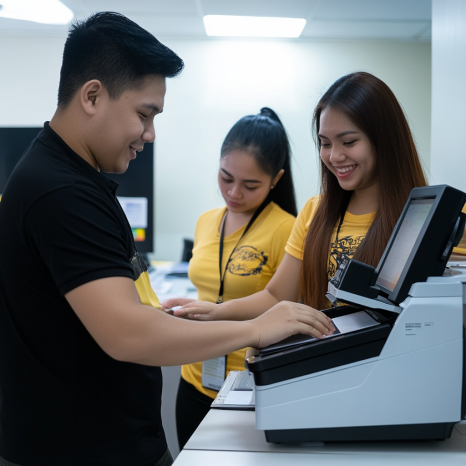
When it comes to key factors in printer rentals, understanding the right elements can make a significant difference in how well your business performs. In today’s fast-paced business environment, efficient document management and high-quality printing are essential to success. However, purchasing a printer outright may not always be the best option for every company. That’s where printer rental comes in—a cost-effective, flexible solution for businesses of all sizes.
Whether you need a single printer for a home office or a fleet of devices for a large organization, understanding the key factors in printer rentals can help you make the right decision. This guide will break down the most important considerations to keep in mind when choosing a printer rental, so you can maximize productivity, reduce costs, and ensure your operations run smoothly.
Why Printer Rental?
Before we dive into the key factors, let’s explore why printer rental might be the right choice for your business. Renting a printer instead of purchasing one offers several advantages:
No hefty upfront costs – Renting provides a predictable monthly expense, allowing for better cash flow management.
Access to high-quality, modern equipment – Rentals ensure that you always have access to the latest technology without the need for expensive upgrades.
Maintenance and support included – Most rental agreements include servicing, repairs, and supply management, reducing the burden on your internal team.
Understanding these benefits is the first step in evaluating whether printer rental is the right fit for your business. Now, let’s look at the key factors in printer rentals to consider before making a decision.
1. Printer Type and Functionality
The first and most obvious factor to consider is the type of printer you need. There are various types of printers on the market, and choosing the right one depends on your specific business needs. Some key factors to think about:
- Inkjet vs. Laser
Inkjet Printers are ideal for high-quality color printing and smaller print jobs. They are typically used in home offices or small businesses.
Laser Printers are best suited for high-volume printing tasks. They offer faster printing speeds and are more cost-efficient for businesses that need to print large volumes of black-and-white documents.
- Multifunction Printers (MFPs)
If you need scanning, copying, and faxing capabilities in addition to printing, a multifunction printer is a great choice. Renting an MFP allows your business to consolidate multiple devices into one machine, improving efficiency and reducing office clutter.
Consider the size of your business, your print volume, and your specific needs to select the printer type that will best suit your operations.
🡆 Explore Technological Advancements in Copiers
2. Print Volume and Frequency
The amount of printing your business requires is another crucial factor when renting a printer. If your company produces a large volume of documents daily, you’ll need a more robust, high-speed printer. For lower-volume tasks, a more affordable and less powerful printer may suffice.
Key considerations for determining print volume:
How many pages per month does your business print?
Do you need color prints regularly, or will black-and-white suffice?
What is the expected growth in your printing needs over time?
Knowing your print volume helps you choose a printer rental plan that aligns with your business’s output, ensuring that you’re not overpaying for unnecessary features or underestimating your needs.
🡆 Learn about the Overview of Copier Rental Market Trends
3. Cost and Budget Considerations
One of the main advantages of renting a printer is the ability to manage costs more effectively. When evaluating printer rental options, consider:
Monthly rental fees – What’s the rental cost, and does it include maintenance, toner, and other supplies?
Maintenance and service – Ensure that the rental agreement includes routine maintenance and repairs. Unexpected costs for service can quickly add up.
Consumables and supplies – Some rental agreements include toner and paper, while others may charge for these separately. Make sure to clarify what’s covered.
Renting is a great option if you’re looking for a predictable monthly cost. However, it’s important to understand exactly what’s included in the agreement and what will incur additional charges.
🡆 Discover the Impact of Digital Transformation
4. Service and Support Options
Another critical factor to consider when renting a printer is the level of service and support included in the agreement. Businesses rely on printers for daily operations, and downtime can have a significant impact on productivity.
Key service factors to evaluate:
Technical support – Is the provider available 24/7 for troubleshooting? Do they offer on-site repairs or remote assistance?
Maintenance schedule – How often will the printer be serviced to ensure it runs smoothly?
Supplies management – Will the rental company monitor your toner levels and automatically send replacements when needed?
Choosing a provider with reliable service and support ensures that your business can operate without disruptions, even in the event of printer malfunctions.
🡆 Read More: Regulatory Impact on Copier Rentals
5. Printer Features and Technology
Today’s printers come equipped with a variety of advanced features that can help improve efficiency. Some of the most important features to look for in a rental printer include:
Wireless connectivity – Ability to print from multiple devices (laptops, tablets, smartphones) without being physically connected.
Mobile printing – Print from cloud storage services like Google Drive, Dropbox, and email, giving you the flexibility to print from anywhere.
Security features – For businesses dealing with sensitive data, printers with secure print release and user authentication can help protect confidential information.
Energy efficiency – Choose energy-efficient printers to reduce power consumption and lower operating costs.
When selecting a printer rental, make sure the features align with your business needs and help optimize daily operations.
6. Contract Flexibility
Flexibility in your rental agreement is essential, especially if your business’s needs change over time. Look for rental plans that offer:
Short-term or long-term options – If you’re unsure of your future needs, a short-term contract may be more suitable. However, if you know your printing needs will remain stable, a long-term contract can offer savings.
Scalability – Choose a provider that allows you to easily scale up or down, adding additional units or upgrading to a higher-capacity model as your business grows.
Clear termination terms – Understand the terms for early termination in case your business outgrows its printer needs or you decide to switch providers.
Having flexibility in your rental agreement can help your business adapt as it evolves and ensures that you’re not locked into an unsuitable plan.
Conclusion: Choosing the Right Printer Rental for Your Business
Renting a printer offers a variety of benefits, including cost savings, flexibility, and access to modern technology. When evaluating key factors in printer rentals, make sure to consider your specific needs, from print volume to budget, service, and technology. By selecting the right rental provider and plan, your business can enjoy seamless printing, reduced downtime, and improved efficiency.
At Marga Enterprises, we pride ourselves on being the No. 1 Copier & Printer Rental Provider in the Philippines. Our rental solutions are reliable, cost-effective, and designed to help businesses stay ahead with the latest technology.
Why Choose Marga Enterprises?
We are trusted by businesses nationwide for our reliable, eco-conscious, and cost-effective rental solutions.
Contact us today to learn more:
📞 0917 164 2540 | 0961 448 1276
📧 marga.enterprises2013@gmail.com
Visit our website and let’s build a greener, more sustainable future together.
Follow us on Facebook and check out our latest video content here:
Watch us on YouTube