
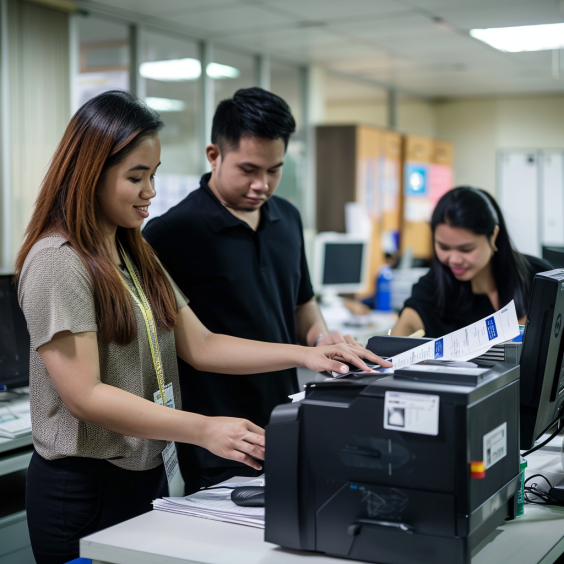
When it comes to managing business expenses, financial planning for printer rentals is often overlooked despite being crucial for operational efficiency. Printers remain essential office equipment, and deciding between buying and renting requires careful budgeting and forecasting. A well-thought-out financial plan helps businesses control costs, avoid unexpected expenses, and maximize productivity with the right printer rental solutions.
In this article, we will explore the key aspects of financial planning for printer rentals, how to optimize your budget, and the benefits of a strategic approach. We will also link to relevant resources to deepen your understanding of printer rental services.
Why Financial Planning for Printer Rentals Matters
Printer rental expenses can add up over time, especially for businesses with high printing demands. Without proper planning, companies may face:
Unplanned cash outflows affecting overall liquidity
Hidden fees and maintenance costs
Inefficient allocation of resources toward outdated or unsuitable equipment
Financial planning helps forecast rental costs, identify the right rental terms, and prepare for associated expenses such as supplies and service contracts. This ensures your business can maintain steady cash flow and avoid costly surprises.
Key Elements of Financial Planning for Printer Rentals
1. Assess Your Printing Needs
Start by evaluating your business’s printing volume, types of documents, and special requirements like color printing or large-format outputs. Understanding these factors will help you determine the right printer specifications and rental terms.
Consider the following:
Monthly page volumes
Black and white vs. color prints
Additional features (scanning, copying, faxing)
This initial assessment is critical for accurate cost estimation and selecting a rental plan that fits your operational needs.
2. Compare Rental Plans and Costs
Printer rental providers offer various plans—short-term, long-term, or lease-to-own—with different pricing models. Compare the following:
Monthly rental fees
Maintenance and support costs
Consumables like toner and paper
Penalties or fees for overuse or early termination
For a detailed comparison of short-term and long-term rentals, you can refer to Short vs Long-Term Rentals.
Budgeting for Hidden and Additional Costs
Many businesses underestimate the indirect costs associated with printer rentals. Proper financial planning includes anticipating:
Repair and maintenance expenses not covered by the rental agreement
Cost of consumables such as toner cartridges, drums, and paper
Potential downtime costs if service support is delayed
For insights on avoiding surprises, visit Are There Any Hidden Fees in Printer Rentals?.
Forecasting and Cash Flow Management
Once you have a clear understanding of all related costs, integrate these into your cash flow projections. Consider the following financial planning tips:
Allocate monthly budgets specifically for printer rentals and supplies
Maintain a contingency fund for unexpected repairs or upgrades
Review rental contracts annually to adjust budgets based on actual usage
Effective forecasting helps avoid cash shortages and supports smooth operational continuity.
Advantages of Strategic Financial Planning in Printer Rentals
A proactive financial plan yields several benefits:
Cost control: Prevent overpaying by selecting the right rental plan.
Flexibility: Adapt rental terms as your business printing needs evolve.
Improved efficiency: Ensure you have reliable equipment without upfront capital expenditure.
Reduced risk: Avoid costly penalties by understanding contract terms and usage limits.
Steps to Optimize Financial Planning for Printer Rentals
Consult with rental providers: Discuss your requirements and negotiate terms.
Analyze past printing data: Use historical data to predict future expenses.
Regularly review rental agreements: Check for better deals or equipment upgrades.
Use technology: Employ print management software to monitor usage and reduce waste.
Final Thoughts
In conclusion, financial planning for printer rentals is a vital practice that helps businesses manage costs effectively while ensuring operational efficiency. By carefully assessing needs, budgeting accurately, and regularly reviewing rental plans, companies can enjoy the benefits of high-quality printing services without compromising their financial health.
For more detailed insights on printer rental options and maintenance, explore these resources:
Connect with Marga Enterprises
For expert advice on printer rentals and tailored financial plans, visit the Marga Enterprises Home Page. Stay updated and join our community through our Facebook Page and YouTube Channel.
For inquiries, contact us at:
Mobile/Telephone: +63 912 345 6789