
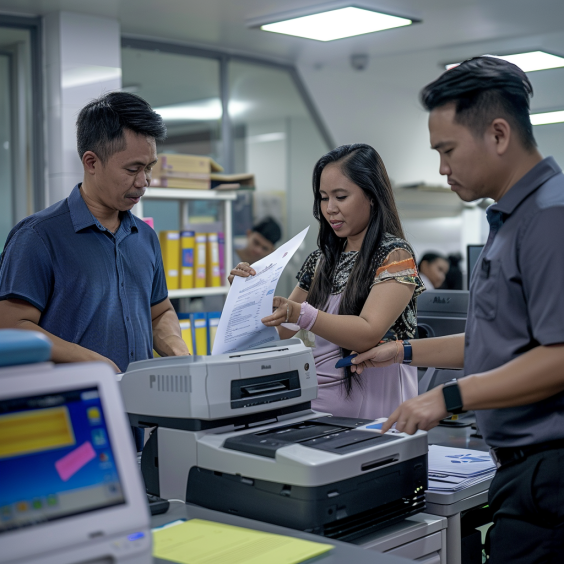
When considering printer rental for your business, understanding the rental cost patterns for printers is essential. Printer rentals offer flexibility and cost-efficiency, but the pricing structure can vary widely depending on several factors. Whether you are a startup, an established business, or managing seasonal printing needs, grasping these cost patterns helps you make an informed decision and maximize your investment.
In this article, we will explore common rental cost patterns for printers, what influences these costs, and how to plan your budget accordingly. We’ll also share tips for getting the best value from your printer rental agreement.
Why Choose Printer Rentals?
Before diving into rental cost patterns, it's important to understand why businesses opt to rent printers rather than buy them outright.
Printer rentals provide:
Lower upfront costs: No need to invest large capital immediately.
Flexibility: Easily upgrade or change printer models based on evolving needs.
Maintenance and support: Most rental agreements include servicing and support.
Scalability: Rent additional printers during peak periods without permanent commitment.
For more insights, see Benefits of Short-Term Copier Rentals.
Common Rental Cost Patterns for Printers
Understanding rental cost patterns helps you avoid surprises and budget effectively. Here are some of the most typical pricing structures found in the market:
1. Flat Monthly Rental Fee
Many rental agreements charge a fixed monthly fee that covers the use of the printer and basic maintenance. This fee usually depends on:
Printer type and brand (e.g., basic laser vs. high-volume multifunction)
Contract duration (longer contracts often offer lower monthly rates)
Volume expectations or included pages per month
This pattern is straightforward and ideal for businesses with consistent printing needs.
2. Pay-Per-Page (Page-Rate) Model
In this model, you pay a base rental fee plus charges based on the number of pages printed. This structure is common in contracts with volume flexibility, especially when your printing demand varies.
Standard page rate: Price per black-and-white or color page.
Extra page rate: Sometimes a different rate applies after exceeding a monthly quota.
See more about Cost Analysis of Short-Term Copier Rentals for detailed examples.
3. Tiered Pricing
Some rental agreements combine fixed monthly fees with tiered per-page rates, where the cost per page decreases as volume increases. This encourages higher usage at a lower marginal cost.
4. Bundled Packages
Certain providers bundle printer rental, supplies (like toner), and maintenance into one package. The cost pattern here is a flat rate for all-inclusive service, simplifying budgeting and often reducing hidden fees.
Factors Influencing Rental Costs
Several factors affect rental pricing and cost patterns. Being aware of these can help you negotiate better deals.
Printer Specifications
Higher-end models with advanced features or large capacity generally command higher rental fees.
Contract Length
Long-term rentals tend to have lower monthly rates, while short-term rentals offer more flexibility but at a premium cost.
Printing Volume
Expected monthly print volume directly affects costs, especially in pay-per-page models.
Maintenance and Support
Including full maintenance in the rental package can increase monthly fees but save money on unexpected repairs.
Delivery and Installation
Some rental agreements charge extra for delivery, setup, and training.
Hidden Costs to Watch Out For
While rental agreements aim to be transparent, some hidden costs may arise:
Overage fees: Charges for printing beyond the agreed quota.
Excess wear and tear: Penalties for damage beyond normal use.
Early termination fees: Charges if you end the contract before its term.
Supply costs: Some contracts exclude toner or paper.
Review contract terms carefully and ask for clarifications to avoid surprises. For more contract guidance, visit Contract Terms for Short-Term Rentals.
How to Get the Best Value
Here are practical tips to optimize your printer rental cost:
Assess your print volume: Choose a rental model that fits your typical usage.
Compare multiple providers: Look beyond price—check included services and contract flexibility.
Negotiate terms: Ask about volume discounts, bundled services, and maintenance coverage.
Consider future growth: Rent scalable equipment or plan for contract renewals that allow upgrades.
Track usage: Monitor your actual printing volume to avoid unexpected fees.
Summary: Key Takeaways on Rental Cost Patterns for Printers
Rental pricing models include flat fees, pay-per-page, tiered pricing, and bundled packages.
Your printing volume, contract length, and equipment choice are major cost factors.
Hidden fees can impact your overall cost—read contracts carefully.
Planning and negotiation help maximize your rental investment.
By understanding these cost patterns, you can confidently select the printer rental option that suits your business needs and budget.
Conclusion
If your business is considering printer rental, knowing the rental cost patterns for printers is crucial for making an informed decision. Balancing cost, flexibility, and service ensures your printing needs are met without straining your budget.
For more expert guidance, tips, and updates, visit Marga Enterprises’ website at https://marga.biz.
Stay connected with us on social media for helpful resources and announcements:
Facebook: facebook.com/MargaEnterprises
YouTube: youtube.com/MargaEnterprises
For inquiries and personalized quotes, call or text us at CP/Telephone: +63 912 345 6789.