
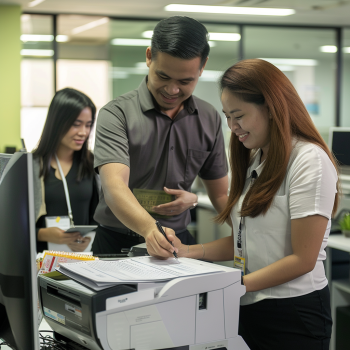
Printer rentals offer businesses a flexible and affordable option, and applying effective cost-saving tips for printer rentals can help maximize your budget while maintaining operational efficiency. Whether you're a startup, a seasonal business, or a company needing temporary printing capacity, renting a printer can save you from the high upfront costs of purchasing. However, to truly benefit from a rental, you need to apply smart strategies to reduce expenses while maintaining efficiency.
In this post, we will explore practical cost-saving tips for printer rentals that help you get the most value from your rental agreement. Implementing these tips can improve your printing operations and significantly reduce overall costs.
Understanding Printer Rental Costs
Before diving into cost-saving techniques, it’s essential to understand what typically contributes to the cost of printer rentals. Rental fees often cover the machine itself, maintenance, and sometimes consumables like toner or ink. Additional fees may arise from overuse, damage, or contract modifications.
To better manage your expenses, familiarize yourself with your rental agreement terms, including:
Monthly rental fees
Maintenance and repair policies
Supplies and consumables coverage
Usage limits and penalties
For more on rental agreements and what to expect, you can visit Factors Affecting Copier Rental Prices and Contract Terms for Short-Term Rentals.
1. Choose the Right Printer for Your Needs
Selecting a printer that matches your business’s volume and functionality requirements is the first step to saving costs.
Avoid Over-specifying: Renting a high-end printer with features you won’t use results in paying for unnecessary capabilities.
Consider Volume: Estimate your average monthly print volume and choose a machine optimized for that capacity.
Opt for Energy-Efficient Models: Modern printers consume less power, saving on electricity costs over time.
Selecting the right printer reduces wear and tear and avoids excess consumable usage, which can add up.
2. Monitor and Manage Print Usage
Controlling how much and what kind of printing is done is key to lowering rental costs.
Set Printing Policies: Encourage duplex (double-sided) printing and draft modes for less critical documents.
Use Print Quotas: If possible, implement limits for departments or users to avoid excessive printing.
Audit Usage Regularly: Keep track of print volumes to identify waste or irregular spikes.
By managing print volume, you can avoid extra charges from exceeding your contract limits and reduce toner or ink consumption.
3. Maintain the Printer Properly
Even though rental contracts often cover maintenance, proper handling can prevent downtime and costly repairs.
Follow Usage Guidelines: Use the printer as intended and avoid overloading it.
Keep it Clean: Dust and debris can cause jams or poor print quality.
Report Issues Early: Promptly notify your provider of any problems to avoid further damage.
A well-maintained printer runs efficiently, reducing both rental service calls and disruptions to your workflow.
4. Optimize Your Rental Agreement
Negotiating and understanding your rental contract can uncover opportunities to save.
Choose the Right Rental Term: Short-term rentals provide flexibility, but long-term rentals often come with lower monthly rates.
Understand Included Services: Clarify what maintenance, supplies, or replacements are included.
Negotiate Pricing: Discuss volume discounts or bundled service packages with your rental provider.
For insights on balancing rental duration and cost, see Short-Term vs Long-Term Rentals.
5. Use Compatible Consumables and Supplies
Toner and ink can be a significant ongoing expense.
Use Approved Compatible Cartridges: These can cost less while maintaining quality.
Avoid Over-Refilling: Overfilled cartridges can damage the printer.
Store Supplies Properly: Keep cartridges sealed and stored in cool, dry places.
Balancing cost and quality in consumables ensures consistent performance and savings.
6. Leverage Technology to Reduce Printing
Reducing print needs through digital alternatives also saves money.
Adopt Paperless Solutions: Use digital documents, e-signatures, and cloud storage.
Utilize Print Preview: Avoid printing errors by previewing documents.
Encourage Mobile and Remote Printing: Use apps that optimize printing and reduce waste.
Cutting unnecessary prints reduces wear on the rental printer and lowers consumable use.
7. Plan for End-of-Rental Procedures
Properly managing the return or renewal process can prevent unexpected fees.
Schedule Inspections: Review printer condition with the rental company.
Restore Settings: Remove any personal or company data.
Discuss Renewal Terms Early: This can help negotiate better deals.
Being proactive ensures a smooth transition and avoids penalties.
Conclusion
By applying these cost-saving tips for printer rentals, you can maximize your investment while keeping printing expenses under control. From choosing the right printer and managing usage to optimizing rental contracts and embracing digital alternatives, every step contributes to a more efficient and budget-friendly printing solution.
For more helpful insights and detailed guides, check out these resources:
Factors Affecting Copier Rental Prices
Contract Terms for Short-Term Rentals
For personalized assistance and rental inquiries, visit the Marga Enterprises website at https://marga.biz, follow our updates on Facebook at facebook.com/margaenterprises, and subscribe to our YouTube channel at youtube.com/margaenterprises. You can also contact us directly at +63 912 345 6789 for quick support.
Implementing these tips will help you enjoy the benefits of printer rentals without compromising your budget.