
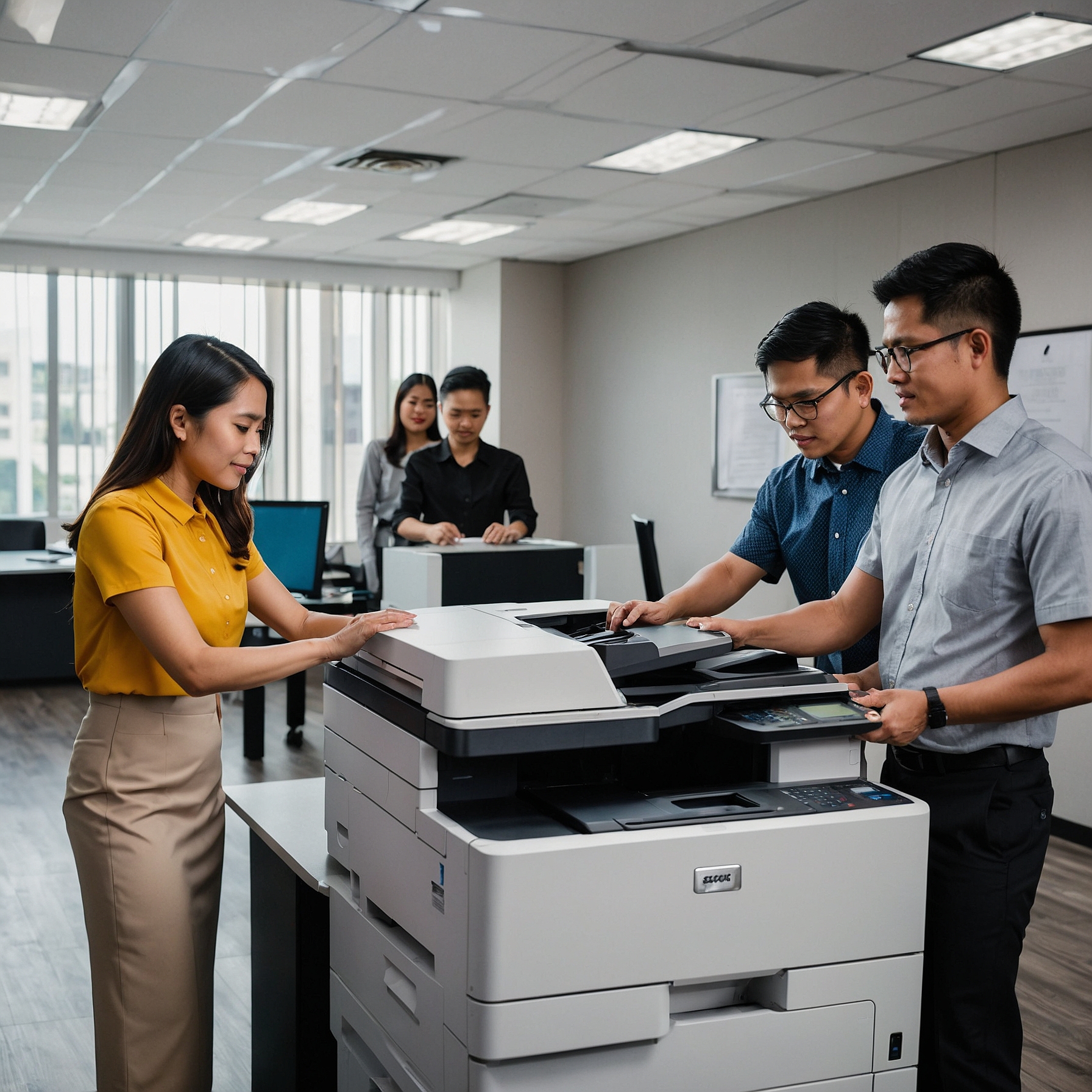
In today's fast-paced business environment, having reliable printing equipment is essential. However, purchasing printers outright can be costly and sometimes unnecessary, especially for short-term projects or fluctuating workloads. This is where printer rentals come in as a flexible, cost-effective solution. Understanding the cost of printer rentals is crucial for businesses aiming to optimize expenses without compromising on productivity.
In this blog post, we’ll break down the various factors that influence the cost of printer rentals, the types of rental options available, and practical tips to ensure you get the best value for your money.
Why Consider Printer Rentals?
Before diving into costs, it’s important to understand why renting printers might be better than buying for many businesses:
Flexibility: Rentals offer short-term or long-term options that adjust to your business needs.
Maintenance Included: Most rental agreements cover service and repairs, reducing unexpected expenses.
Access to Latest Technology: Renting allows you to upgrade to newer models without the large upfront cost.
Reduced Capital Expenditure: Rentals are often treated as operational expenses, freeing capital for other uses.
To learn more about the benefits of short-term printer rentals, check out Benefits of Short-Term Copier Rentals.
What Influences the Cost of Printer Rentals?
The cost of printer rentals depends on several factors. Understanding these will help you choose the best rental plan for your budget and business requirements.
1. Printer Type and Model
Printers come in many types—from basic black-and-white laser printers to high-end color multifunction copiers. The more advanced the technology, the higher the rental cost.
Basic Printers: Suitable for low-volume printing, these are generally the most affordable.
Multifunction Printers (MFPs): These combine printing, scanning, copying, and sometimes faxing, and typically cost more.
Color vs. Monochrome: Color printers usually carry a higher rental rate because of their complexity and toner costs.
2. Rental Duration
Longer rental terms usually mean a lower monthly rate. Short-term rentals tend to be more expensive per month due to the flexibility and shorter commitment.
For detailed insights, visit Cost Analysis of Short-Term Copier Rentals.
3. Page Volume or Quota
Many rental agreements are based on a fixed monthly page quota. If you exceed this quota, extra charges apply per page. High-volume users should negotiate plans with larger quotas to reduce per-page costs.
4. Maintenance and Support
Inclusive maintenance and support services may be part of the rental cost or billed separately. Check if the contract covers:
Regular servicing
Repairs and parts replacement
Consumables like toner and paper (some plans include this, some don’t)
5. Delivery and Setup
Some rental companies include delivery and installation in the cost, while others charge extra. Be sure to clarify this to avoid surprise fees.
Common Pricing Models for Printer Rentals
Understanding how rental companies price their services will help you compare offers effectively.
Monthly Flat Rate
A fixed monthly fee that covers the printer rental and sometimes basic maintenance. This is ideal for predictable budgets.
Pay-Per-Page
You pay a lower base rental fee plus a fee for every page printed. This model suits businesses with variable printing needs.
Hybrid Model
Combines a flat monthly rate with additional charges for pages printed beyond a set quota.
Additional Costs to Watch Out For
When considering the cost of printer rentals, watch for these potential extra charges:
Excess Page Fees: Charges when monthly page limits are exceeded.
Late Payment Penalties: Fees for delayed rental payments.
Early Termination Fees: Costs incurred if you cancel the rental before contract expiry.
Damage Fees: Charges for physical damage beyond normal wear and tear.
Consumables: Toner, ink, paper, and other supplies if not included in the contract.
It’s important to thoroughly review rental agreements to avoid hidden fees. You can learn more about contract terms from Contract Terms for Short-Term Rentals.
Tips to Reduce the Cost of Printer Rentals
To make the most out of your rental budget, consider the following:
Assess Your Printing Needs: Choose a printer that matches your actual volume and functions to avoid overpaying.
Negotiate Rental Terms: Longer contracts often yield better rates.
Consolidate Devices: Using multifunction devices can save on rental and maintenance costs.
Regularly Review Usage: Monitor printing volume to adjust quotas or switch plans if necessary.
Choose Reputable Providers: Reliable suppliers offer transparent pricing and responsive support.
Why Choose Marga Enterprises for Your Printer Rentals?
At Marga Enterprises, we provide a wide range of rental options tailored to your business size and needs. Our transparent pricing and comprehensive service plans ensure you get the best value without hidden fees.
We invite you to explore our offerings and expert advice on printer rentals. For a detailed look at logistics and setup, see Logistics of Short-Term Copier Rentals.
Conclusion
The cost of printer rentals can vary widely based on printer type, rental duration, page volume, and included services. By understanding these factors and carefully reviewing rental contracts, businesses can find flexible and affordable printing solutions that align with their operational needs.
If you want to learn more about printer rental options or need personalized advice, visit the Marga Enterprises homepage or contact us directly. Connect with us on Facebook and YouTube for updates, tutorials, and customer stories.
Contact Number: +63 912 345 6789
If you want a customized rental plan or have questions about pricing, our team is ready to assist you. Renting your printer through trusted providers like Marga Enterprises ensures your business keeps running smoothly without costly interruptions.