
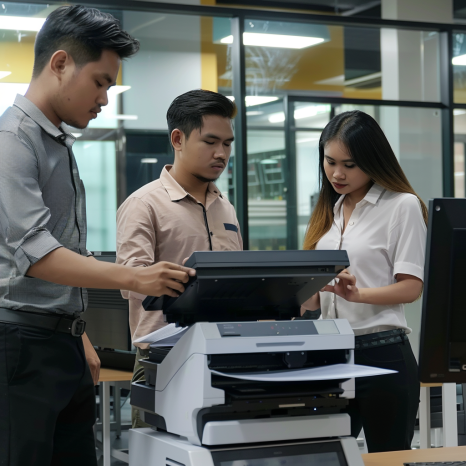
Maintenance Requirement Analysis: Ensuring Peak Performance and Longevity
In today's fast-paced business environment, one of the most overlooked yet critical aspects of operations is Maintenance Requirement Analysis. Whether you're managing a fleet of office equipment, such as printers and copiers, or overseeing a large-scale production system, maintenance planning can make or break your workflow.
This blog will guide you through what Maintenance Requirement Analysis is, why it matters, and how to implement it effectively in your organization.
What is Maintenance Requirement Analysis?
Maintenance Requirement Analysis is the process of identifying, assessing, and planning the upkeep needs of equipment, systems, or infrastructure. It involves evaluating how often machines need servicing, what parts are at risk of failure, and the type of maintenance—preventive or corrective—required for optimal performance.
This analysis provides the data and structure needed to develop a maintenance strategy that avoids unplanned downtime, reduces costs, and prolongs the lifespan of your assets.
Why Is Maintenance Requirement Analysis Important?
Here are key reasons why Maintenance Requirement Analysis should be part of your operational strategy:
Prevents Unscheduled Downtime: Predictive planning allows you to service machines before they fail.
Optimizes Resource Allocation: Proper analysis ensures you’re not overspending on unnecessary repairs or neglecting crucial components.
Extends Equipment Life: Timely maintenance improves the longevity and reliability of your investments.
Improves Safety and Compliance: Equipment in poor condition can pose safety risks and may fall short of compliance requirements.
Whether you manage a home office or a growing enterprise, this level of planning is crucial for consistent performance and customer satisfaction.
Steps in Conducting Maintenance Requirement Analysis
To develop an effective Maintenance Requirement Analysis, follow these structured steps:
1. Inventory Assessment
Start with listing all the assets that need maintenance. This includes:
Printers and copiers
Networking devices
HVAC systems
Specialized tools and hardware
Ensure each asset has a unique ID, usage history, and maintenance log.
2. Review Manufacturer Guidelines
Always refer to the maintenance recommendations provided by the manufacturer. These act as a baseline for frequency and required procedures. For instance, most multifunction printers require monthly cleaning and toner checks.
Learn more about printer maintenance on these helpful pages:
3. Identify Failure Modes
Understand how each machine typically fails. This includes wear-and-tear components (e.g., drums, rollers), electronic malfunctions, and software issues. Documenting failure patterns will help set up preventive actions.
4. Determine Maintenance Frequency
Based on usage and failure data, assign specific maintenance intervals. For high-traffic copiers, bi-weekly inspections may be necessary, while lesser-used machines can be checked monthly.
Related article:
Best Printers for Remote Work
5. Create a Maintenance Calendar
Use your analysis to set up a clear calendar for preventive maintenance. This reduces guesswork and keeps your team accountable.
Types of Maintenance Strategies
Maintenance Requirement Analysis leads to selecting the right strategy for each asset:
Preventive Maintenance
Scheduled servicing based on time or usage intervals. For example, regular toner checks or software updates.
Predictive Maintenance
Using sensors or logs to predict failures before they happen. Common in smart office solutions.
Reactive Maintenance
Also called "run-to-failure." This is only advisable for low-priority or easily replaceable equipment.
Explore more on printer setup efficiency:
Setting Up a Home Office Printer
Common Mistakes to Avoid
Even with good intentions, businesses sometimes fall into these traps:
Relying Only on Reactive Repairs: This often leads to higher costs in the long run.
Over-maintenance: Too frequent servicing can result in unnecessary part replacements and labor expenses.
Lack of Documentation: Without records, analysis is nearly impossible.
Ignoring User Feedback: End-users often notice early signs of malfunction before systems do.
Tools and Software for Maintenance Planning
To enhance Maintenance Requirement Analysis, consider implementing:
CMMS (Computerized Maintenance Management Systems) – Helps track and schedule maintenance activities.
Mobile maintenance apps – For technicians in the field.
Remote monitoring tools – For real-time status updates on connected devices.
These tools support a data-driven approach to maintenance management.
Case Study: Copier Maintenance in Remote Work Setups
Let’s take an example from many of our clients using Marga Enterprises’ printer rentals.
Remote teams often operate on tight schedules. A predictive maintenance approach—based on usage logs and toner replacement cycles—has helped these teams avoid printing disruptions.
With customized service plans and documented Maintenance Requirement Analysis, copier lifespan was extended by 30%, and service calls were reduced by 40%.
Read more here:
Final Thoughts: Make Maintenance a Strategic Priority
Maintenance Requirement Analysis isn’t just about keeping machines running—it’s about empowering your business to operate smoothly, avoid costly delays, and ensure every resource is used wisely.
If you haven't implemented a structured maintenance strategy yet, now is the best time to begin. At Marga Enterprises, we support businesses through reliable printer and copier rentals backed by strong maintenance planning.
To learn more about how to manage your equipment maintenance effectively or to explore our rental services, get in touch with us today.
Connect with Marga Enterprises:
Facebook Page: https://l.facebook.com/l.php?u=https%3A%2F%2Fwww.youtube.com%2F%40Marga
YouTube Channel: https://www.youtube.com/@Marga
Website: https://marga.biz
Call/Text: 0917-126-0915 / (02) 721-69-000
Let us help you build a maintenance-friendly workplace with dependable machines and proactive planning.