
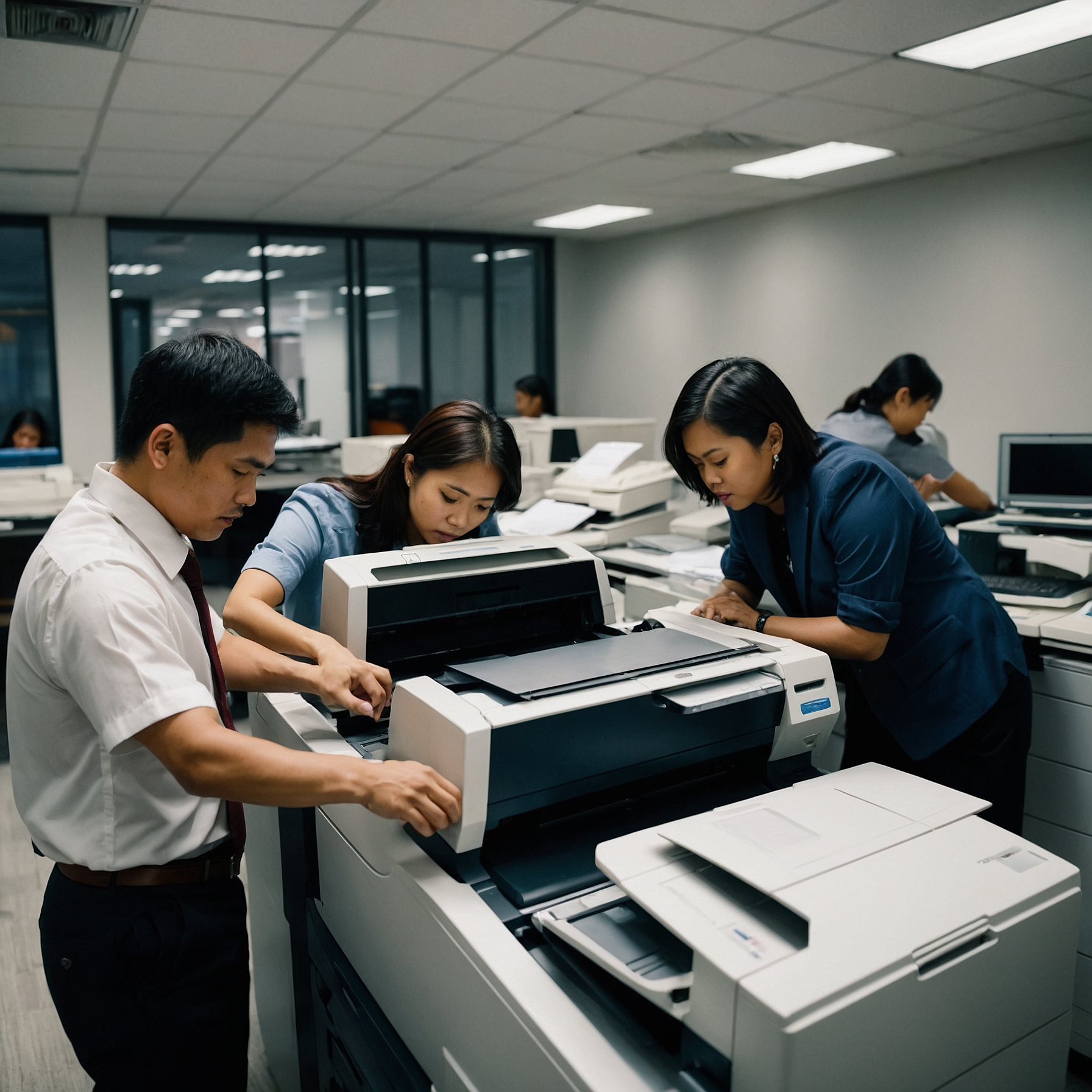
When managing office equipment like copiers, businesses often face a common question: Should you lease or rent? Both options provide access to essential technology without the high upfront costs of purchasing, but each comes with its own set of benefits, limitations, and financial implications. In this guide, we’ll dive deep into Lease vs. Rent Insights so you can make a confident decision that aligns with your business goals.
Understanding the Basics: Lease vs. Rent
Before we get into comparisons, let’s clarify the difference:
Leasing a copier typically means entering into a longer-term contract (commonly 3 to 5 years). At the end of the term, you might have the option to buy the equipment.
Renting a copier, on the other hand, offers short-term flexibility—ideal for events, temporary offices, or businesses not ready to commit.
Both approaches eliminate the large capital expense of buying a copier outright, but their structures and financial impacts vary significantly.
Key Considerations for Leasing
Leasing is ideal for businesses with predictable, long-term copier needs. Here’s why:
1. Lower Monthly Payments
Leases tend to offer lower monthly fees compared to renting. Since you’re committing to a longer period, providers can spread the cost over more months.
2. Upgraded Technology
Many lease agreements include periodic upgrades, ensuring you always have access to the latest copier features without needing to repurchase.
3. Ownership Option
At the end of the lease term, you might have the option to buy the machine at a reduced cost, giving you long-term value.
Tip: Learn more about cost comparison between renting and buying a copier.
Key Considerations for Renting
Renting makes sense for short-term needs or rapidly changing environments. Here’s why it might be the right choice for your business:
1. Maximum Flexibility
You can rent for days, weeks, or months. This is perfect for seasonal businesses or temporary workspaces.
2. Fast Setup and Termination
No long-term commitments mean easier onboarding and offboarding of equipment as your needs change.
3. Maintenance Included
Most rental agreements include regular servicing, reducing the need for in-house technical support.
Related Resource: Explore how to budget for copier rentals to stay cost-efficient.
Lease vs. Rent: A Side-by-Side Comparison
| Feature | Lease | Rent |
|---|---|---|
| Contract Duration | 1 to 5 years | Daily, Weekly, Monthly |
| Monthly Cost | Lower over time | Slightly higher |
| Flexibility | Low | High |
| Maintenance | Usually included | Always included |
| Ownership Option | Often available at end of term | No ownership |
| Best For | Long-term stable use | Short-term or seasonal needs |
Need help deciding? Here’s a helpful article on factors affecting copier rental prices.
Choosing What’s Right for You
When choosing between leasing and renting, consider these questions:
How long do you need the copier?
Do you anticipate frequent changes in office needs?
Is owning the equipment in the future important to you?
Do you prefer fixed monthly costs with fewer surprises?
If you answered yes to most of these questions, leasing might be your best option. But if your needs are short-term or you're operating in a dynamic environment, renting offers the flexibility you need.
Legal and Contractual Considerations
Before signing any lease or rental agreement, understand these elements:
Service and Maintenance Clauses
These outline who is responsible for repairs and how quickly they must be done.Usage Limits
Some agreements include volume caps. Be aware of overage charges.Early Termination Fees
These fees can be steep in lease agreements if you end your contract early.
To protect your business, review these clauses in rental contracts before you sign.
The Financial Side: Budget Planning
One major concern for businesses is cost predictability. Leasing often includes fixed monthly payments, which is great for long-term financial planning. Meanwhile, renting allows you to stop costs at any time, which can be ideal for tight or shifting budgets.
Here’s how to save money on copier rentals, whether leasing or renting.
Which One Do Businesses Prefer?
Large corporations often choose leasing because of their stable, long-term needs and budgeting systems.
Startups and SMEs lean toward renting to avoid long-term financial commitments.
Event organizers almost always rent due to their short-duration requirements.
Every business is unique, and your copier strategy should align with your size, usage, and financial structure.
Final Thoughts
Deciding between leasing and renting a copier isn’t just a financial decision—it’s a strategic one. It affects your operations, your flexibility, and your overall efficiency. By exploring these Lease vs. Rent Insights, you’re now equipped to choose the solution that maximizes value for your business.
Still unsure? Reach out to experts who can help you assess your current copier needs and match them with the most efficient solution.
Stay informed. Stay productive. And choose wisely.
Follow Us for More Copier Tips & Updates!
Facebook: Marga Enterprises FB Page
YouTube: Marga Enterprises YouTube Channel