
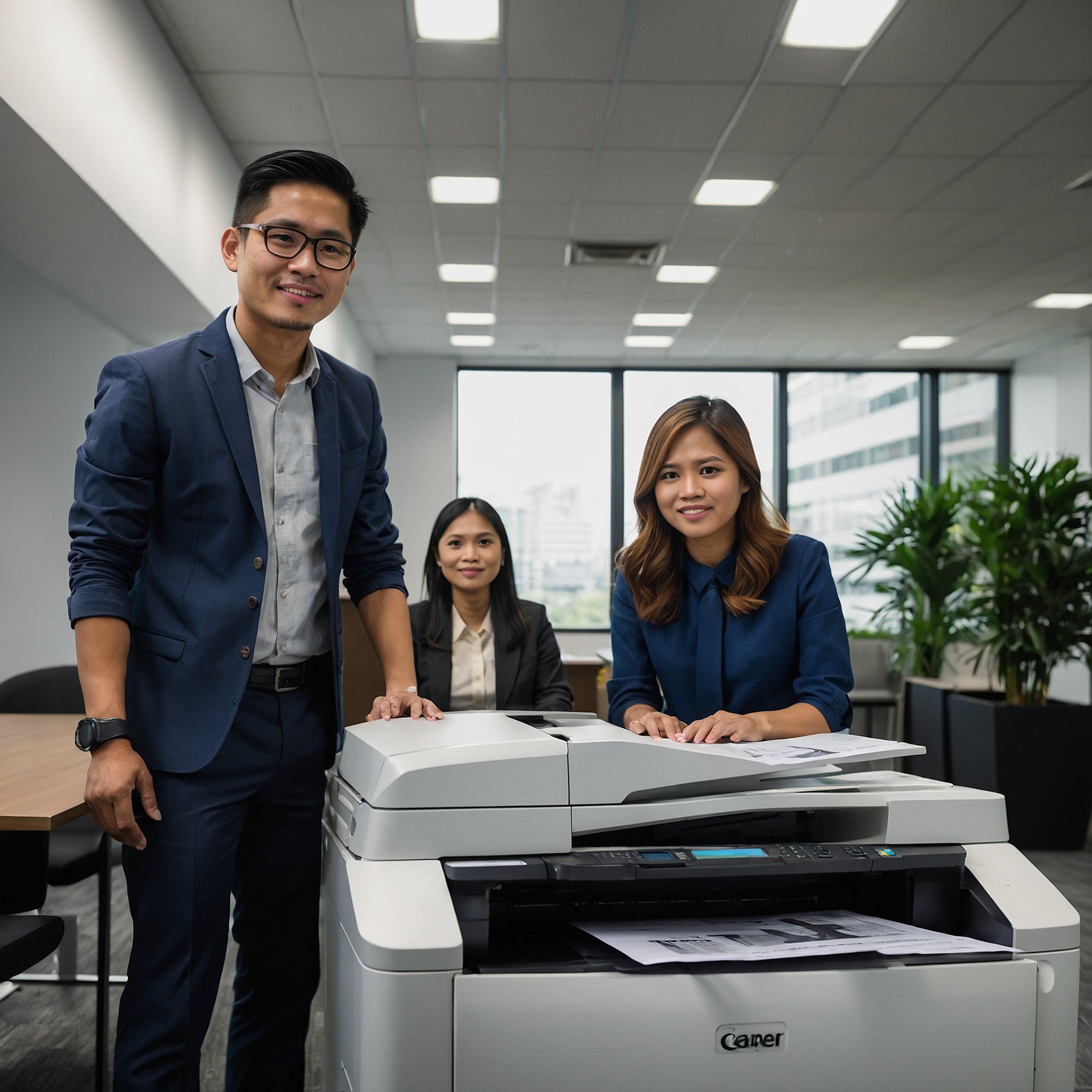
Duration of Copier Rentals: Choosing the Best Term for Your Business Needs
When it comes to office equipment, renting a copier offers a cost-effective and flexible solution—especially for businesses that want to avoid the upfront cost of purchasing. But while many focus on specs, features, and monthly rates, one critical aspect is often overlooked: the duration of copier rentals.
Choosing the right rental duration can make the difference between saving money and overspending, between smooth operations and logistical headaches. Whether you’re a startup, an established company, or planning a one-time event, this guide will walk you through everything you need to know about copier rental durations.
Why Duration of Copier Rentals Matters
The duration of copier rentals refers to the length of time you lease the machine. It could range from a few days to several years. And depending on your situation, the right choice of duration can directly affect your budget, productivity, and even data security.
Here’s why getting the duration right is important:
Cost Efficiency: Long-term rentals often come with lower monthly rates.
Flexibility: Short-term rentals work better for temporary needs.
Scalability: The right duration supports business growth or transitions.
Operational Continuity: Avoids downtime due to equipment mismatch or early returns.
👉 Related: Learn how to budget for copier rentals
Common Copier Rental Durations
Let’s break down the most typical timeframes available in copier rentals:
1. Short-Term Rentals (1 day to 1 month)
Perfect for:
Events, conferences, and expos
Temporary job sites
Emergency replacements
Pros:
Immediate setup and removal
No long-term commitment
Ideal for project-based needs
Cons:
Higher daily or weekly rates
Limited to available models
👉 Related: Explore copier rentals for events and short-term needs
2. Mid-Term Rentals (1 to 12 months)
Great for businesses that are:
In transition (office relocation or renovation)
Testing market demand or staff capacity
Running seasonal operations
Pros:
More flexible than long-term leases
Lower rates than short-term options
Option to extend or upgrade
Cons:
May require deposits or service agreements
Termination fees may apply for early return
3. Long-Term Rentals (1 to 5 years)
Ideal for:
Offices with stable copier needs
Companies looking for managed print services
Large teams with consistent workflows
Pros:
Best monthly rates
Full-service and maintenance often included
Upgrades and replacements may be available during the lease
Cons:
Contract lock-in
Less flexibility to adjust volume or features
👉 Related: Understand cost-effective copier features
How to Determine the Ideal Copier Rental Duration
Choosing the right rental term isn’t guesswork. Consider the following:
1. Business Size and Structure
A small team may only need basic copying for a few months.
A large corporation with high output might benefit from long-term managed print services.
2. Project or Operational Duration
How long is the campaign, renovation, or transition period?
Match the copier duration to your planned timeline.
3. Printing Volume
Heavy daily usage? A long-term plan ensures cost efficiency.
Occasional printing? Opt for a shorter rental to avoid waste.
👉 Related: Read about copier maintenance and service agreements
4. Budget Considerations
Long-term leases have better monthly rates but require longer commitment.
Short-term rentals are more expensive per day but cost less upfront.
👉 Related: See how to save money on copier rentals
Comparing Rental Durations: Pros and Cons
| Duration | Best For | Pros | Cons |
|---|---|---|---|
| Short-Term (1–30 days) | Events, emergencies | Flexible, fast setup | Expensive daily rates |
| Mid-Term (1–12 months) | Office transitions | Balance of cost & flexibility | Moderate risk of overcommitting |
| Long-Term (1–5 years) | Stable operations | Lowest cost, full service | Lock-in contracts |
Smart Tips for Copier Rental Planning
Start with an assessment: Evaluate your print volume and job types.
Ask for scalability: Will your provider allow upgrades or add-ons?
Check exit terms: Know the early return or termination policy.
Bundle services: Look for rentals that include maintenance and support.
Consider technology cycles: Renting long-term? Choose models that can last 2–3 years without becoming outdated.
Real-Life Example
A medium-sized marketing agency was moving offices and anticipated a 6-month renovation. Instead of buying a new copier, they chose a mid-term rental for 8 months. The contract included maintenance, and the provider offered the option to extend if needed. This saved them over ₱50,000 compared to buying and offloading the unit later.
FAQs About Duration of Copier Rentals
Q: Can I extend my copier rental?
Yes! Most providers offer extension options. It’s best to discuss this upfront during contract negotiations.
Q: What happens if I return the copier early?
Early returns might incur a fee depending on your agreement. Ask for flexible terms or a sliding fee scale.
Q: Is it possible to upgrade during a rental?
Absolutely. Many providers allow you to swap or upgrade machines, especially for longer rentals.
Final Thoughts: Make Every Day Count with the Right Rental Duration
The duration of copier rentals is not just a contractual detail—it’s a strategic decision. Whether you need equipment for a week-long conference or a three-year business plan, matching your rental period with your operational goals can save you money, time, and stress.
Evaluate your current and future needs carefully. Choose a reliable rental partner. And most importantly, stay flexible when needed—your copier should work for you, not the other way around.
Stay connected for more copier rental tips and practical business solutions:
Like us on Facebook: https://facebook.com/margacopierrental
Subscribe on YouTube: https://youtube.com/@margacopierrental