
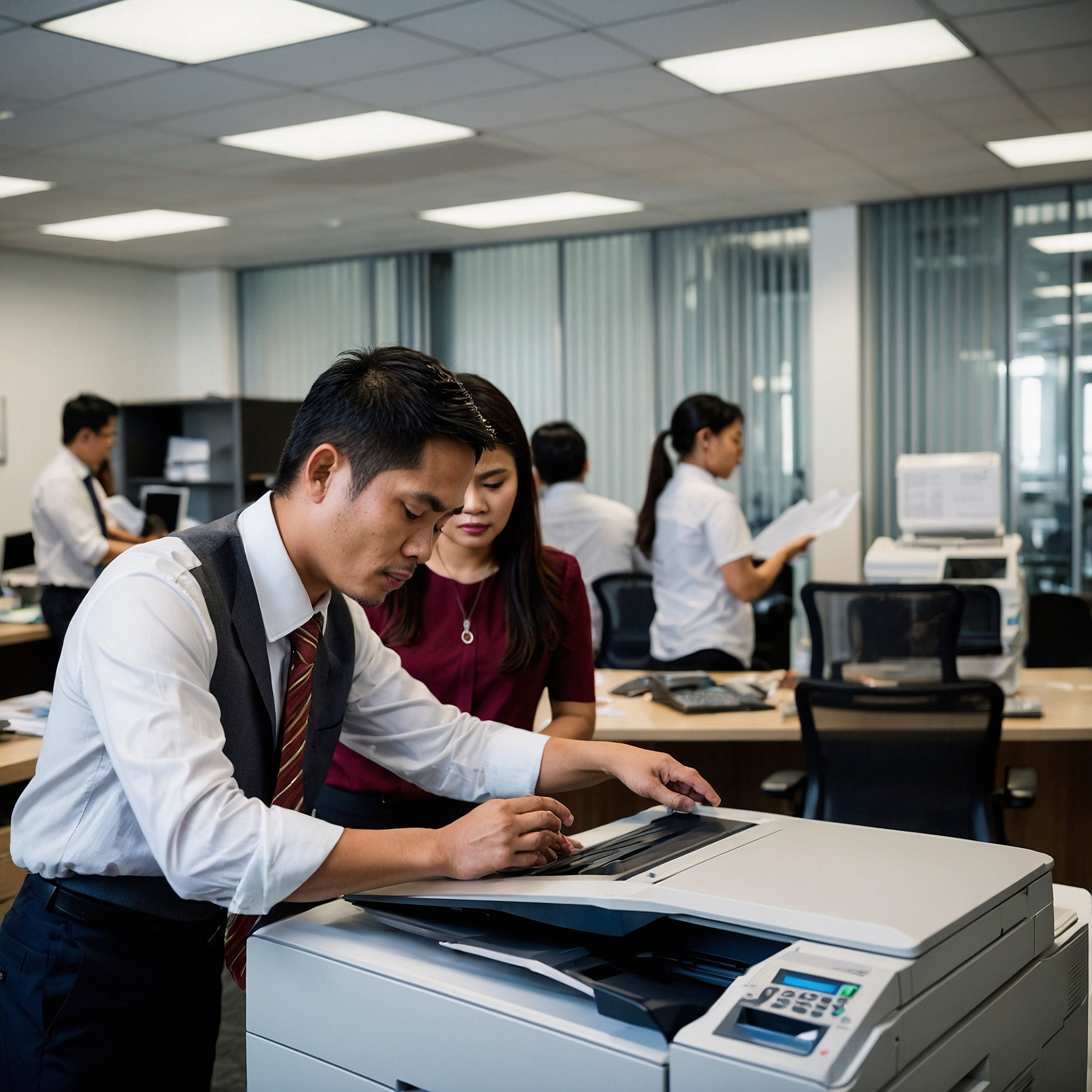
In today’s fast-paced business world, efficiency and productivity are key to staying ahead of the competition. When it comes to office equipment, choosing the right copier can have a significant impact on your business operations. Among the various options available, digital vs. analog copiers are two of the most commonly used. While both serve the same basic function—making copies of documents—they differ greatly in terms of technology, performance, and cost. In this post, we’ll explore the differences between digital vs. analog copiers, helping you make an informed decision for your business needs.
What are Digital Copiers?
Digital copiers, as the name suggests, use digital technology to create copies. These copiers use a scanner to digitize the image, which is then transferred to a drum and printed onto paper. Digital copiers can handle both black-and-white and color printing, making them versatile for a variety of business needs. In addition, they come with a range of advanced features such as network connectivity, faxing, printing, and scanning capabilities, all of which are managed digitally.
Key Features of Digital Copiers:
High-quality prints: Digital copiers offer superior print quality due to their high resolution and image processing capabilities.
Multiple functions: In addition to copying, digital copiers can also scan, print, and fax, offering a one-stop solution for all office needs.
Remote access: Many digital copiers can be connected to a network, allowing users to send documents to be printed or scanned remotely.
Cost-efficient in the long run: Although digital copiers can be more expensive upfront, they often result in lower costs over time due to their high-speed printing and multifunctionality.
What are Analog Copiers?
Analog copiers, on the other hand, use traditional analog technology to make copies. They rely on a mirror and lens system to project the image onto a photosensitive drum, which then produces the copy. Unlike digital copiers, analog models do not have advanced features like network connectivity, faxing, or scanning. They are primarily used for basic copying tasks.
Key Features of Analog Copiers:
Simple design: Analog copiers are straightforward and easy to operate, with fewer features and buttons to navigate.
Lower upfront costs: These copiers typically cost less than digital copiers, making them a more affordable option for businesses on a budget.
No advanced functions: Analog copiers only perform basic copy functions and do not support additional features like scanning or printing.
Slower performance: Analog copiers tend to be slower and less efficient than their digital counterparts, especially when handling larger volumes of work.
Comparing Digital vs. Analog Copiers
Now that we’ve outlined the key features of both types of copiers, let’s take a deeper look at how digital and analog copiers compare in several important categories:
1. Cost
One of the most important factors to consider when choosing a copier is cost. While digital copiers may have a higher initial price tag, they often offer more value in the long term due to their added functionality and efficiency. Analog copiers, however, are more budget-friendly upfront, but their lack of advanced features may result in higher long-term operating costs if your business requires more than just basic copying.
For example, digital copiers can integrate with your network, allowing employees to print from various devices, which reduces the need for separate printing solutions and increases overall productivity. However, if you’re simply looking for a copier for basic tasks, an analog copier may be the better choice.
To learn more about how to budget for copier rentals, check out our guide on How to Budget for Copier Rentals.
2. Performance and Speed
In terms of performance, digital copiers are faster and more efficient, especially when it comes to high-volume copying tasks. Digital copiers can print at a faster rate, making them ideal for businesses that need to produce large quantities of copies quickly. They also offer more precise control over the print quality, reducing the risk of errors and improving consistency.
Analog copiers, on the other hand, are slower and may struggle with larger volumes. If your business demands high-speed copying, an analog copier may not meet your needs in the long run. However, for smaller-scale businesses or offices with minimal copying requirements, analog copiers can still provide satisfactory performance.
3. Quality and Versatility
Digital copiers excel in print quality. With higher resolution capabilities, digital copiers produce sharper, clearer images. This makes them an excellent choice for businesses that require high-quality prints, such as marketing materials, presentations, or client-facing documents.
Analog copiers, in contrast, are limited in terms of quality. The prints may not be as sharp, especially if the copier is old or in need of maintenance. Additionally, analog copiers typically only handle black-and-white printing, limiting their versatility. If your business requires color printing or more complex tasks, a digital copier would be a better fit.
4. Maintenance and Longevity
Both types of copiers require maintenance to ensure optimal performance, but digital copiers generally have fewer breakdowns and can be more reliable over time. Their advanced technology and fewer moving parts make them less prone to wear and tear.
Analog copiers, however, tend to be more susceptible to mechanical failures due to their older technology. As they age, parts like the drum and lens may need to be replaced, increasing maintenance costs. The longevity of an analog copier is typically shorter than that of a digital copier, especially if it is used frequently.
5. Environmental Impact
Digital copiers are often more energy-efficient than their analog counterparts. Many models are designed to conserve energy when not in use, helping businesses reduce their environmental footprint. Furthermore, digital copiers tend to use fewer consumables (like toner and paper) due to their advanced features and efficiency.
Analog copiers, while simpler in design, can consume more power and toner, leading to higher energy costs. They also require more paper, as they do not have the option for duplex printing or other environmentally-friendly features found in digital models.
Which Copier is Right for Your Business?
The choice between a digital and an analog copier depends on your specific business needs. If your business requires high-quality prints, speed, and multifunctional capabilities like scanning and faxing, a digital copier is likely the better choice. While the upfront cost is higher, the long-term benefits in terms of productivity, cost-efficiency, and versatility make it a worthwhile investment.
On the other hand, if your business has minimal copying needs and operates on a tight budget, an analog copier may be sufficient for your purposes. However, you should be mindful of the limitations in terms of speed, quality, and versatility.
Conclusion
In the battle of Digital vs. Analog Copiers, digital copiers come out on top in terms of performance, quality, and long-term cost-effectiveness. They offer a wide range of features that can improve productivity and efficiency, making them the ideal choice for businesses with diverse needs. However, analog copiers still have their place for businesses that require a simple, cost-effective solution for basic copying tasks.
To make an informed decision about copier rental or purchase, check out these resources:
Factors Affecting Copier Rental Prices
Cost Comparison: Renting vs. Buying a Copier
Saving Money on Copier Rentals
Analyzing Lease Terms for Cost Efficiency
Want to know more? Check out Marga Enterprises on YouTube for more insights on copiers and printing solutions.
For all your copier needs, visit Marga Enterprises.