

Case Studies: Digital vs. Analog Copier Use
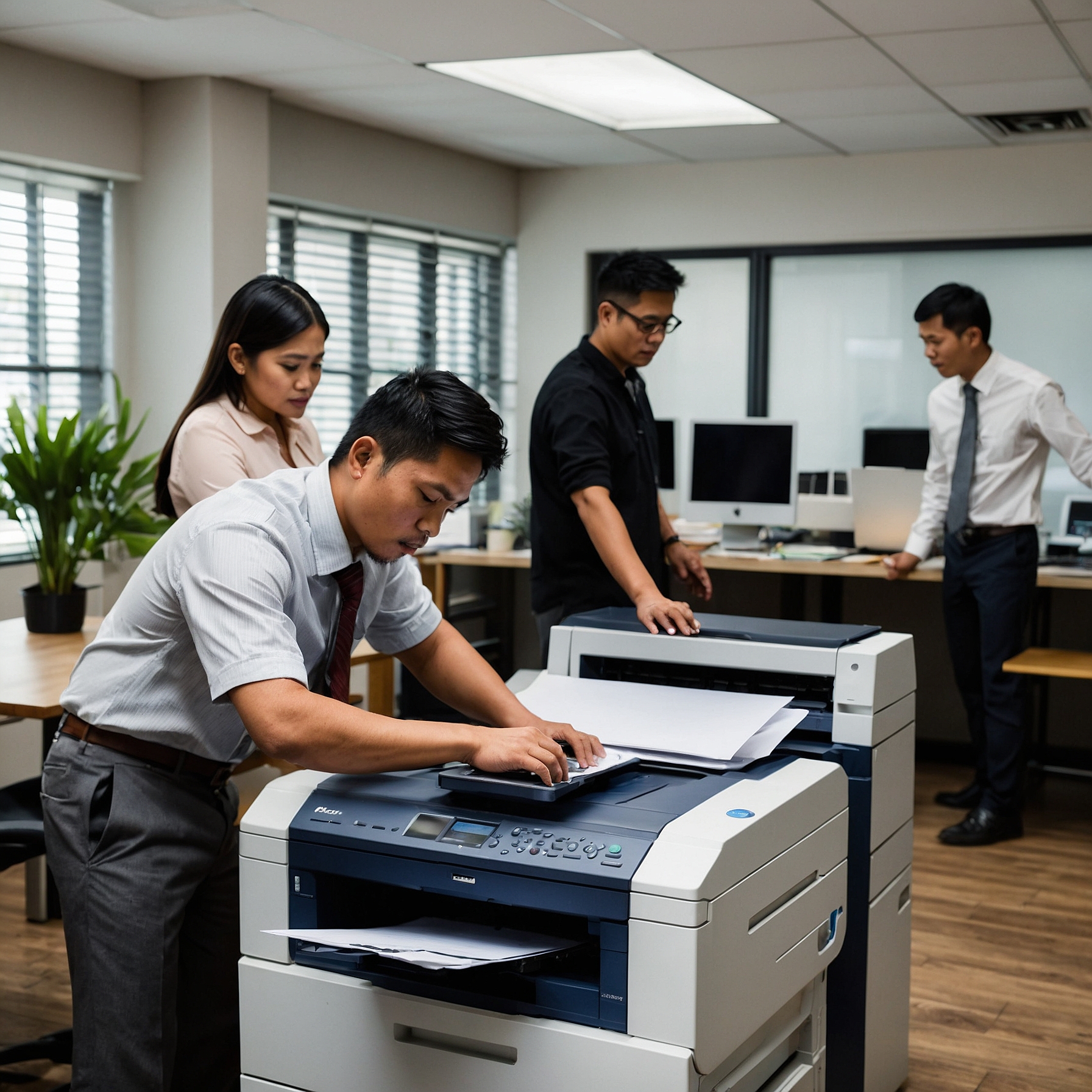
In today’s office environment, copier machines play a crucial role in ensuring smooth workflow and business operations. Businesses, regardless of size, rely on copiers to meet the demand for document printing, scanning, and copying. As technology advances, two main types of copiers have emerged: digital and analog. While digital copiers have dominated the market for the past several years, analog copiers still hold value for certain businesses. This post will explore case studies comparing digital vs. analog copier use, examining their benefits, drawbacks, and how they impact business operations.
What Are Digital and Analog Copiers?
Digital Copiers
Digital copiers are the modern choice for businesses that require high-quality, efficient, and versatile copying and printing capabilities. They are equipped with advanced features like scanning, networking, and color printing. Digital copiers use a digital process to scan an image, convert it into data, and print or copy the image. The key benefits of digital copiers include enhanced speed, precision, and ease of use.
Analog Copiers
On the other hand, analog copiers are the older generation of copiers. They use a process of light and heat to produce copies from original documents. While these machines are reliable, they lack many of the features offered by digital copiers, such as networking, digital scanning, and multi-functionality.
Case Study 1: Digital Copiers in a Corporate Office
A major corporate office in Metro Manila faced challenges in their workflow due to an increasing volume of documents that needed to be copied and scanned daily. Their outdated analog copiers often broke down and failed to meet the needs of their growing team. These disruptions caused delays and impacted overall productivity.
After switching to digital copiers, the business experienced significant improvements. Digital copiers allowed the employees to scan documents directly to email, eliminate the need for physical filing systems, and perform faster, high-quality prints. Moreover, the multifunctionality of the copiers allowed employees to print, copy, and scan documents from a centralized system, making processes more efficient.
One major benefit realized was the integration of cloud services, which allowed employees to access their documents remotely, saving time and reducing the need for physical copies. This seamless workflow helped the office reduce operational costs and improved productivity.
Key Benefits:
Faster document processing
Improved productivity with multi-function capabilities
Integration with cloud services
Cost efficiency over time
For more information on managing copier downtime, check out Handling Printer Downtime.
Case Study 2: Analog Copiers in a Small Business
On the other hand, a small retail business in a suburban area continued to use analog copiers for years. The owner, a conservative businessman, believed the upfront costs of digital copiers were too high for his business. He thought the reliability of analog copiers and their lower initial price point were better for his situation.
However, after experiencing frequent breakdowns and poor quality prints, he started rethinking his choice. The analog copier required frequent maintenance and repair, which led to additional unplanned expenses. Moreover, the lack of multi-functionality meant that employees had to use separate machines for copying, scanning, and printing. This led to inefficiencies and wasted time.
Eventually, the business owner opted to upgrade to a digital copier. This transition helped save time and money on repairs, as the new machine was more reliable and multifunctional. It also allowed for faster document processing, which improved customer service.
Key Benefits:
Lower upfront costs (initial investment)
Simpler to operate for small-scale needs
Dependable in low-volume use
However, frequent breakdowns, inefficiency, and the inability to meet the growing demands of the business made it clear that analog copiers are no longer the best option for businesses with expanding needs.
Digital vs. Analog Copiers: Key Differences
| Feature | Digital Copiers | Analog Copiers |
|---|---|---|
| Print Quality | High-resolution, sharp prints | Moderate-quality prints |
| Speed | Fast and efficient, suitable for high volumes | Slower, especially when copying large batches |
| Maintenance | Low maintenance, less frequent issues | Requires frequent repairs and maintenance |
| Functionality | Multi-functional (scanning, printing, emailing) | Primarily for copying only |
| Cost | Higher initial cost, but cost-effective in the long run | Lower initial cost, but higher long-term maintenance costs |
| Energy Consumption | Generally energy-efficient | Uses more energy compared to digital models |
Case Study 3: Hybrid Use in a Government Institution
A government institution, dealing with high volumes of paperwork and document management, adopted a hybrid approach, using both digital and analog copiers. They realized that while digital copiers were beneficial for high-volume tasks, analog machines were still valuable for simple copy tasks that didn’t require high-tech functionality.
The hybrid solution allowed the institution to minimize upfront costs by using analog copiers for routine tasks, while saving resources by investing in a few digital copiers for departments needing advanced functions. This approach maximized the benefits of both technologies while minimizing unnecessary expenditure.
Key Benefits:
Reduced upfront costs
Specialized equipment for specific needs
Flexibility in operations
This case study demonstrates that hybrid solutions can be effective in situations where businesses have varying needs, and where the cost of full digitalization may be prohibitive.
How to Choose Between Digital and Analog Copiers?
When deciding between digital and analog copiers, consider the following factors:
Volume of Usage: High-volume users benefit from digital copiers that are faster and more reliable.
Functionality: If your business needs to scan, email, or store digital files, a digital copier is the better choice.
Upfront Budget: Analog copiers are cheaper, but they can be costly over time due to frequent maintenance.
Energy Efficiency: Digital copiers are generally more energy-efficient and eco-friendly compared to analog models.
Businesses should analyze their specific needs before making a decision. If cost-efficiency is your priority and you don’t require advanced features, analog copiers may still be a practical option. However, for businesses aiming to scale or needing multifunctionality, digital copiers offer long-term value.
Conclusion
The choice between digital and analog copiers ultimately depends on your business’s unique needs. Digital copiers are perfect for businesses with high-volume needs, demanding print quality, and multi-functionality, while analog copiers serve well for simple, low-cost operations. As technology continues to advance, digital copiers will remain the go-to choice for most modern businesses, but analog copiers can still find their place in niche environments.
To learn more about copier rentals and how Marga Enterprises can support your green initiatives, contact us today at 09171642540 or 09614481276. You can also reach us via email at marga.enterprises2013@gmail.com. Let’s work together to build a greener, more sustainable future for generations to come. Visit Marga Enterprises and find out why we are the No. 1 Copier & Printer Rental Provider in the Philippines.
Join our growing community on Facebook and Youtube for exclusive content and discussions designed to propel your business forward. Stay updated on our posts and be part of the conversation!