
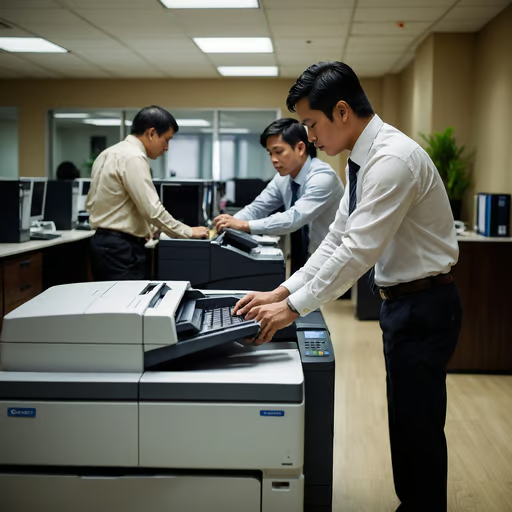
In the world of copier rentals, regulatory changes and legal requirements play a significant role in shaping the pricing, availability, and operational considerations for businesses. Understanding the regulatory impact on copier rentals is crucial for companies seeking to streamline their operations while ensuring compliance with local and national regulations. In this blog post, we will explore how regulatory factors affect copier rental agreements, costs, and the overall rental experience for businesses.
The Importance of Regulations in Copier Rentals
Regulations surrounding copier rentals ensure that both service providers and clients follow legal requirements. These laws can pertain to environmental standards, data protection, and financial practices, all of which impact the rental process. Businesses must be aware of these regulations to avoid potential fines or legal complications.
While these rules are often imposed to promote fairness, transparency, and sustainability, they can also influence the overall costs of renting equipment. Moreover, non-compliance with these regulations can lead to operational disruptions or legal liabilities. Therefore, it’s essential for businesses to stay informed about any regulatory changes that could affect their copier rental decisions.
Environmental Regulations
One of the most significant regulatory areas affecting copier rentals is the growing focus on sustainability and environmental impact. Governments worldwide are imposing stricter environmental regulations, which often include requirements for energy-efficient machines, eco-friendly materials, and waste management.
For example, businesses are increasingly required to adopt energy-efficient copiers that meet certain environmental standards, such as Energy Star certifications. These regulations aim to reduce the carbon footprint of businesses by encouraging the use of greener technology. When renting copiers, companies should inquire whether their service providers offer eco-friendly machines that comply with local environmental standards.
Additionally, some regions may impose regulations around the disposal of toner cartridges, paper waste, and other consumables, requiring businesses to work with rental companies that follow proper recycling protocols.
Data Protection and Security Regulations
Another significant factor is the rising concern over data security and privacy. Copier machines today often have built-in digital capabilities, including hard drives that store copies, scans, and faxes. In some cases, this data can be sensitive or confidential, and mishandling it can lead to security breaches.
Under regulations like the General Data Protection Regulation (GDPR) in Europe or similar data protection laws in other regions, businesses must ensure that their copiers are secure and that any stored data is adequately protected. Copier rental companies may need to meet these compliance requirements, such as providing data-wiping services or ensuring that the machines are equipped with robust security features.
As a result, businesses should consider these data protection measures when selecting a copier rental service. Ensuring that the machines they use comply with regulations regarding data storage and security can prevent potential legal issues.
Lease and Rental Agreements
Regulatory changes can also affect the terms and conditions of copier rental agreements. These agreements must comply with consumer protection laws, which ensure that businesses are treated fairly and are not subject to predatory practices.
In some regions, laws may dictate specific terms, such as the maximum interest rates that can be charged on leases, the length of rental contracts, or the penalties for early termination. These regulations ensure that businesses are not locked into unfair or excessively long contracts and that they have the flexibility to terminate agreements when necessary without facing excessive fees.
When entering into a copier rental agreement, it's essential for businesses to thoroughly review the contract terms. In particular, they should be aware of clauses related to maintenance, service guarantees, and costs associated with overages or damages. A clear understanding of these terms helps ensure compliance with the law while protecting the interests of the business.
Cost Implications of Regulatory Compliance
Adhering to regulatory requirements can lead to higher upfront costs for copier rentals. For instance, businesses may need to pay more for eco-friendly copiers that meet energy efficiency standards, or they may incur additional fees for data security measures such as encryption or hard drive wiping.
Moreover, the cost of compliance can affect the overall cost-effectiveness of copier rentals. Businesses will need to assess whether the benefits of regulatory compliance, such as reducing environmental impact or safeguarding sensitive data, outweigh the potential increase in rental prices.
However, while these added costs may seem burdensome in the short term, they can lead to long-term savings. For instance, renting energy-efficient machines can help lower electricity bills, while secure copiers can prevent costly data breaches.
How Businesses Can Navigate Regulatory Changes
To ensure smooth and compliant copier rental operations, businesses should adopt a proactive approach to regulatory changes. Here are a few steps that companies can take:
Stay Informed: Regularly monitor local and international regulations affecting the copier rental industry. This includes environmental standards, data protection laws, and consumer rights protections.
Partner with Reliable Rental Providers: Choose copier rental companies that prioritize compliance with regulatory requirements. Service providers who stay up-to-date with regulations will help ensure that businesses meet their legal obligations.
Review Rental Agreements: Carefully read rental agreements to understand the terms related to regulatory compliance. Ensure that the contract includes clauses related to data security, environmental impact, and penalties for non-compliance.
Invest in Technology: Where applicable, invest in technology that helps ensure compliance. For example, renting copiers with built-in security features or energy-efficient machines can help businesses meet legal requirements while reducing costs.
Consult Legal Experts: If in doubt, businesses should consult with legal experts who specialize in the copier rental industry or regulatory compliance. This can help avoid mistakes and ensure that the business is fully compliant with the law.
Conclusion
Understanding the regulatory impact on copier rentals is essential for businesses seeking to ensure compliance with laws that govern environmental standards, data protection, and consumer rights. While these regulations can influence costs and rental terms, they also provide businesses with opportunities to enhance sustainability and security. By staying informed and partnering with reliable rental providers, businesses can navigate these regulatory challenges and continue to thrive in a compliant and cost-effective manner.
To learn more about managing copier rental costs and ensuring compliance with lease terms, check out the following resources:
Factors Affecting Copier Rental Prices
Cost Comparison: Renting vs. Buying a Copier
How to Budget for Copier Rentals
Saving Money on Copier Rentals
Analyzing Lease Terms for Cost Efficiency
For further insights, check out our YouTube Channel and visit our Website.