
Copier Insurance Claim Processes
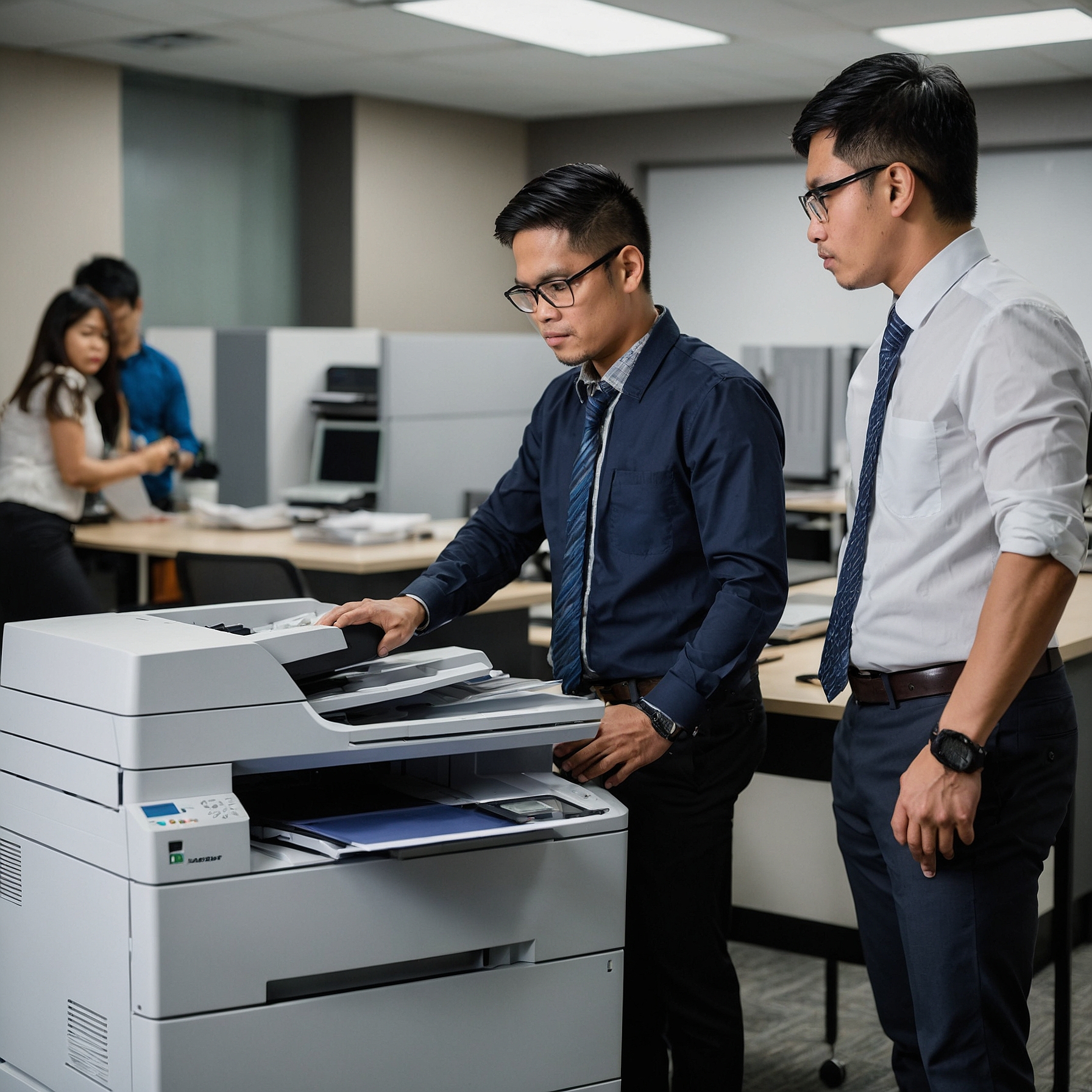
Copier Insurance Claim Processes: A Step-by-Step Guide to Filing Claims
When you rent or own a copier, it’s essential to protect your investment with insurance coverage. Whether you’re facing damage, theft, or mechanical failure, copier insurance can help safeguard your business against costly repairs or replacements. However, it’s not just about having insurance—it’s equally important to understand the Copier Insurance Claim Processes to ensure that if something goes wrong, you can file a claim and receive the compensation or repair services you need.
In this blog post, we’ll break down the Copier Insurance Claim Processes, outlining what to do in case of damage, theft, or malfunction. From reporting the issue to receiving your compensation, we’ll guide you through each step to ensure that you’re fully prepared to handle any insurance-related situations.
Why Understanding Copier Insurance Claim Processes is Crucial
No one expects their copier to break down or get stolen, but things happen. Having copier insurance ensures that you don’t bear the entire financial burden when problems arise. However, understanding the Copier Insurance Claim Processes is just as important as having the insurance in the first place. Here’s why:
1. Timely Claims Help Minimize Downtime
The faster you file your claim, the quicker you can get your copier repaired or replaced. By understanding the process, you can expedite the claim submission and get back to business with minimal downtime.
2. Avoid Claim Rejections
Filing a claim improperly or not adhering to the insurer's guidelines can result in your claim being denied. Knowing the proper steps in the Copier Insurance Claim Processes ensures that you don’t miss any critical details that could result in rejection.
3. Streamline Communication with Your Insurance Provider
Understanding the claim process helps you communicate more effectively with your insurance provider. When you're well-informed, you can handle any questions or concerns with confidence, helping you resolve issues faster.
Common Reasons for Filing a Copier Insurance Claim
There are several scenarios in which you may need to file a copier insurance claim. Here are some of the most common reasons businesses file claims:
1. Accidental Damage
Whether caused by spills, mishandling, or general accidents, damage to the copier is one of the most common reasons for filing a claim. This can include physical damage to the copier, such as broken parts, scratched surfaces, or internal malfunctions caused by user error.
-
Pro Tip: Ensure your insurance covers accidental damage. If you regularly have high-traffic areas or new users interacting with the copier, coverage for accidental damage is crucial.
2. Theft or Vandalism
If your copier is stolen or damaged due to vandalism, Copier Insurance Claim Processes will guide you through replacing or repairing the equipment. Copiers are valuable items and can be targeted, especially in high-traffic or public settings.
-
Pro Tip: Ensure that theft and vandalism are included in your insurance policy, especially if the copier is used in a public space or large event.
3. Mechanical Failure
Even the most well-maintained copiers can experience mechanical breakdowns. If a copier breaks down due to an internal malfunction, Copier Insurance Claim Processes will help you file a claim to cover repair costs or get a replacement.
-
Pro Tip: If you depend on a copier for daily operations, make sure your insurance covers mechanical breakdowns, which can lead to significant downtime.
Step-by-Step Guide to Copier Insurance Claim Processes
Understanding how to file a copier insurance claim can save time and reduce stress when issues arise. Here’s a breakdown of the steps involved in the Copier Insurance Claim Processes:
1. Review Your Insurance Policy
Before filing a claim, it’s essential to understand your policy. Review the terms and conditions of your Copier Insurance to ensure that the issue you are experiencing is covered. This includes checking for any exclusions or limits on coverage.
-
Pro Tip: Familiarize yourself with your deductible (the amount you’ll need to pay before your insurance kicks in) and any coverage limits to understand what is and isn’t covered.
2. Document the Issue
Whether it's damage, theft, or malfunction, thorough documentation is essential to the claim process. Take clear photos or videos of the copier’s condition (or the incident), including any visible damage, the serial number, and other relevant details.
-
Pro Tip: In case of theft, provide police reports or other documentation proving that the copier was stolen. For mechanical failure, document the copier’s symptoms and any troubleshooting attempts you made.
3. Notify Your Insurance Provider
Contact your insurance provider as soon as possible after discovering an issue with the copier. Some insurance providers have specific time frames within which you must report the incident to qualify for a claim. Notify your provider of the damage, malfunction, or theft, and provide the necessary documentation.
-
Pro Tip: Be prepared to provide all the necessary information to your insurance provider, including the copier’s model, serial number, and any additional documents or photos required.
4. File the Claim
Once you've notified your provider, you will need to formally submit a claim. This typically involves filling out a claim form, providing the required documentation, and any additional information the insurer may request. Ensure that all details are accurate and complete to avoid delays.
-
Pro Tip: Double-check all claim forms before submission to ensure all information is accurate. Missing details can lead to delays or rejection of your claim.
5. Follow Up on the Claim
After submitting your claim, stay in touch with your insurance provider to monitor the status of your claim. If there are any delays or issues with the process, you’ll want to address them quickly to avoid further complications.
-
Pro Tip: Keep a record of all communications with your insurance provider, including phone calls and emails. This can help resolve any disputes or confusion.
6. Repair or Replace the Copier
Once your claim is approved, the insurance provider will typically either send a technician to repair the copier or offer a replacement, depending on the extent of the damage. Some insurers may also cover rental costs for a temporary copier while the claim is processed.
-
Pro Tip: Ask your insurance provider about the repair or replacement timeline. If you need a copier urgently, discuss temporary solutions such as rental copiers.
7. Finalize the Claim
Once the copier is repaired or replaced, you’ll need to finalize the claim process. If your deductible was applicable, you will need to pay it, and the insurer will cover the remaining costs. Keep all records of the transaction for future reference.
-
Pro Tip: Save all receipts and documents related to the repair, replacement, or temporary rental, as these may be required for your records or in case of any further disputes.
Common Challenges in the Copier Insurance Claim Processes
While filing a copier insurance claim can be straightforward, some challenges may arise. Here are some common issues and how to overcome them:
1. Delays in Processing
Claims can take time to process, especially if additional documentation is needed. Make sure to submit all necessary documents promptly and follow up regularly to keep the process moving.
2. Coverage Denial
Sometimes, a claim may be denied if the insurance policy doesn’t cover the specific type of damage or incident. To prevent this, thoroughly review your policy before renting or purchasing the copier and ensure that you have the appropriate coverage for potential risks.
3. High Deductibles
Depending on your policy, you may need to pay a significant deductible before your insurance kicks in. If the deductible is high, it might not be worth filing a claim for minor damages. Always consider the deductible amount when evaluating whether to file a claim.
-
Pro Tip: Before renting a copier, ask the rental company about their insurance policies and the deductible amounts to understand potential costs.
Conclusion: Understanding Copier Insurance Claim Processes for Protection
Copier Insurance Claim Processes are essential for ensuring that your business or event is protected from unexpected costs associated with damage, theft, or malfunction. By understanding the steps involved in filing a claim, including documentation, notification, and follow-up, you can ensure a smooth and timely resolution. Whether you’re renting a copier for an event or using one in a small business, having the right insurance coverage can help protect your investment and minimize downtime.
For more tips on copier rentals, insurance options, and business solutions, follow us on our Facebook and YouTube pages!
Outbound Links:
-
How to Budget for Copier Rentals
-
Factors Affecting Copier Rental Prices