
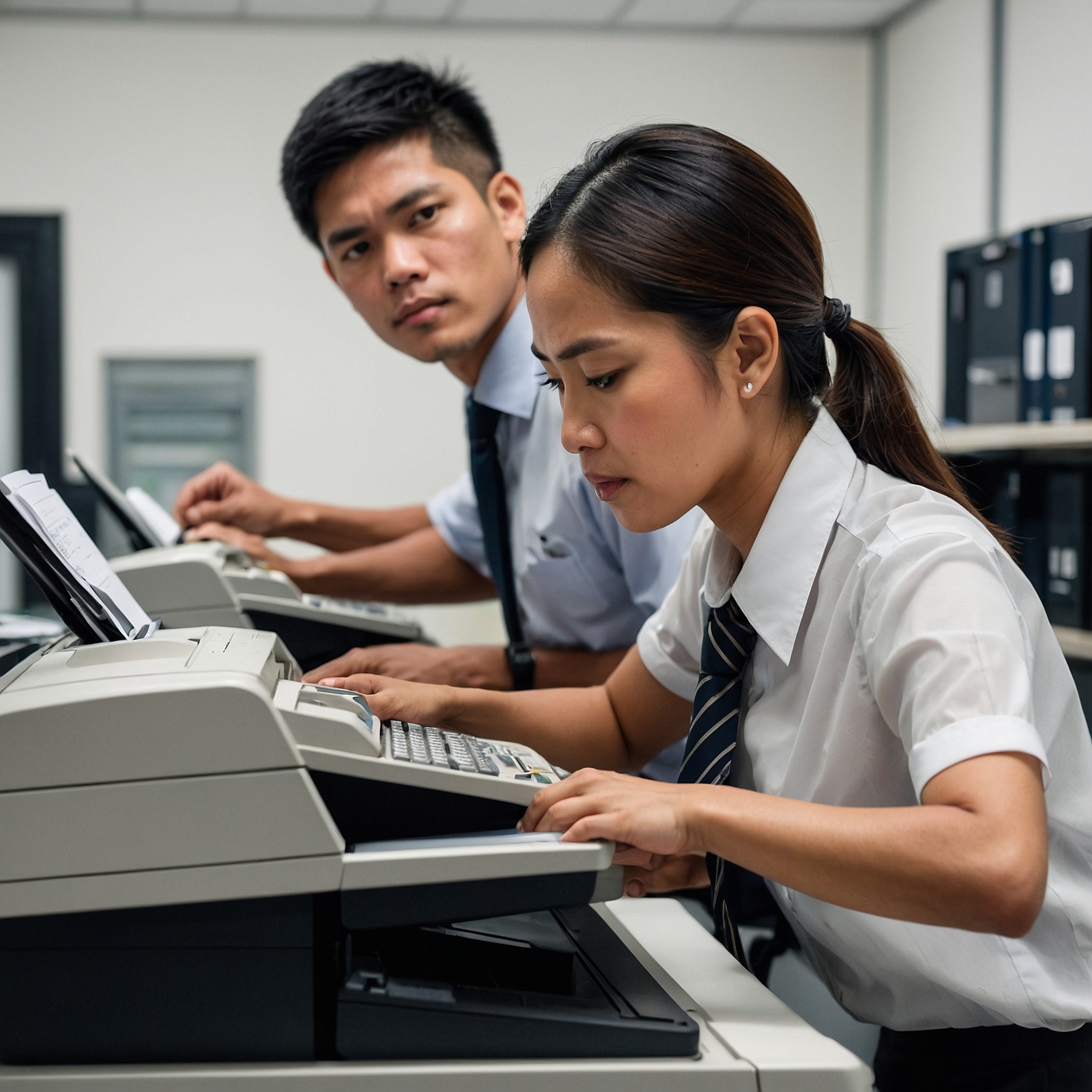
When it comes to selecting a copier for your small or medium-sized business (SMB), it's important to go beyond the initial price tag. A comprehensive cost analysis for SMB copier options can help you make a well-informed decision, ensuring you don't just save money upfront, but also in the long run. In this post, we’ll dive deep into the factors that affect copier costs, and how understanding these elements can guide you toward choosing the best option for your business.
The Importance of Cost Analysis for SMB Copiers
Investing in a copier is a critical decision for any business, as it directly impacts productivity, operational efficiency, and overhead costs. Whether you choose to rent or buy, it’s essential to evaluate all the costs involved in the process. With a proper cost analysis, you can determine which option best fits your company’s needs, aligning with both your budget and long-term goals.
Key Factors Affecting Copier Costs
Before diving into specific cost comparisons, it's important to understand the different factors that influence copier prices. These include:
1. Initial Purchase or Rental Price
This is the most obvious factor, but it’s only the beginning of the cost analysis. The upfront costs for renting or purchasing a copier vary depending on the model, features, and brand. Copiers with higher functionality—such as color printing, large volume printing, and fast processing speeds—will naturally come with a higher price tag. However, when choosing a copier, consider how the features will benefit your business operations.
2. Operational Costs
The operational costs of a copier are often overlooked, but they can add up quickly. These include:
-
Paper and toner costs: Regular supply replenishments are necessary to keep your copier functioning smoothly. These costs depend on the volume of printing your business requires.
-
Maintenance and service: Depending on the copier’s reliability and warranty terms, you may need to pay for regular servicing or unexpected repairs.
-
Energy consumption: High-end copiers that offer more advanced features tend to consume more power. This can affect your monthly utility bills over time.
Understanding these operational costs is key to determining the true cost of owning or renting a copier.
3. Lease Terms and Contract Duration
For businesses opting to rent a copier, the terms of the lease agreement play a significant role in the total cost. Longer-term leases often come with lower monthly payments, but you’ll be tied to the contract for an extended period. On the other hand, shorter leases may offer flexibility, but they could carry higher monthly costs.
Additionally, lease agreements may include hidden fees, such as excess usage charges or penalties for early termination. Be sure to read all terms carefully and ask for clarification on any fine print before signing a contract.
4. Expected Usage Volume
The volume of copies your business expects to make is another crucial factor. High-volume printing demands more durable equipment, which may come with higher costs for both the copier itself and its maintenance. If you don’t need to print large volumes, opting for a basic copier or a pay-per-use rental agreement might be a more cost-effective choice.
Renting vs. Buying: What’s More Cost-Effective?
A common question businesses face is whether to buy or rent a copier. Both options have their advantages and drawbacks, depending on your specific needs.
Buying a Copier
Buying a copier can be a good choice for businesses that expect to use the machine frequently and for many years. The benefits of purchasing include:
-
Ownership: Once you’ve made the payment, the copier is yours, and there are no ongoing rental fees.
-
Long-Term Cost Savings: While the initial cost may be high, over time, buying a copier may save you money if you use it regularly.
-
Customization: You can select a copier that specifically meets your needs and isn’t limited by a lease contract.
However, there are also some cons to consider, including the need for upfront capital and ongoing maintenance costs.
Renting a Copier
Renting a copier may be more suitable for SMBs with fluctuating printing needs or limited budgets. The advantages of renting include:
-
Lower Initial Cost: Renting a copier eliminates the need for large upfront investments, which can be a significant advantage for businesses just starting out.
-
Flexibility: Renters can upgrade to a new model as their needs change, ensuring they always have the latest technology.
-
Maintenance and Service Included: Most rental agreements come with service packages that cover repairs and maintenance, reducing the hassle of dealing with issues on your own.
However, the long-term cost of renting can exceed the purchase price, especially if the copier is used frequently.
For more on the costs of renting vs. buying a copier, check out this comprehensive cost comparison.
Understanding Copier Rental Agreements
If you decide that renting a copier is the right choice for your SMB, it’s important to thoroughly understand the terms of the rental agreement. Factors such as the rental duration, monthly cost, included services, and potential additional fees should be taken into account.
Be sure to look out for any clauses that could increase the cost, such as penalties for exceeding the agreed-upon print volume or fees for early termination. You can learn more about how to budget for copier rentals here.
Saving Money on Copier Rentals
There are various ways to reduce the costs associated with copier rentals. For example, you could:
-
Negotiate a lower rate: Some suppliers may be open to negotiating the terms of the rental agreement, especially if you're renting multiple machines.
-
Opt for a cost-per-copy contract: If your printing needs are modest, a pay-per-use plan could be more affordable than a fixed monthly payment.
Additionally, implementing print management software to monitor usage patterns can help ensure you're using the copier efficiently, potentially reducing overall costs. This article provides more tips on saving money on your copier rentals.
Conclusion: Making the Best Choice for Your SMB
A cost analysis for SMB copier solutions is essential for choosing the right equipment that aligns with your business’s needs and budget. By evaluating the initial costs, operational expenses, and the type of copier lease or purchase agreement, you can make an informed decision. Remember to factor in the ongoing operational costs and long-term savings when determining which option is best for your business.
Whether you choose to rent or buy, the right copier can enhance your company’s efficiency, reduce unnecessary expenses, and boost overall productivity.
To stay updated on all things related to copier rentals, visit our website or check out our YouTube channel for more helpful tips and insights.