
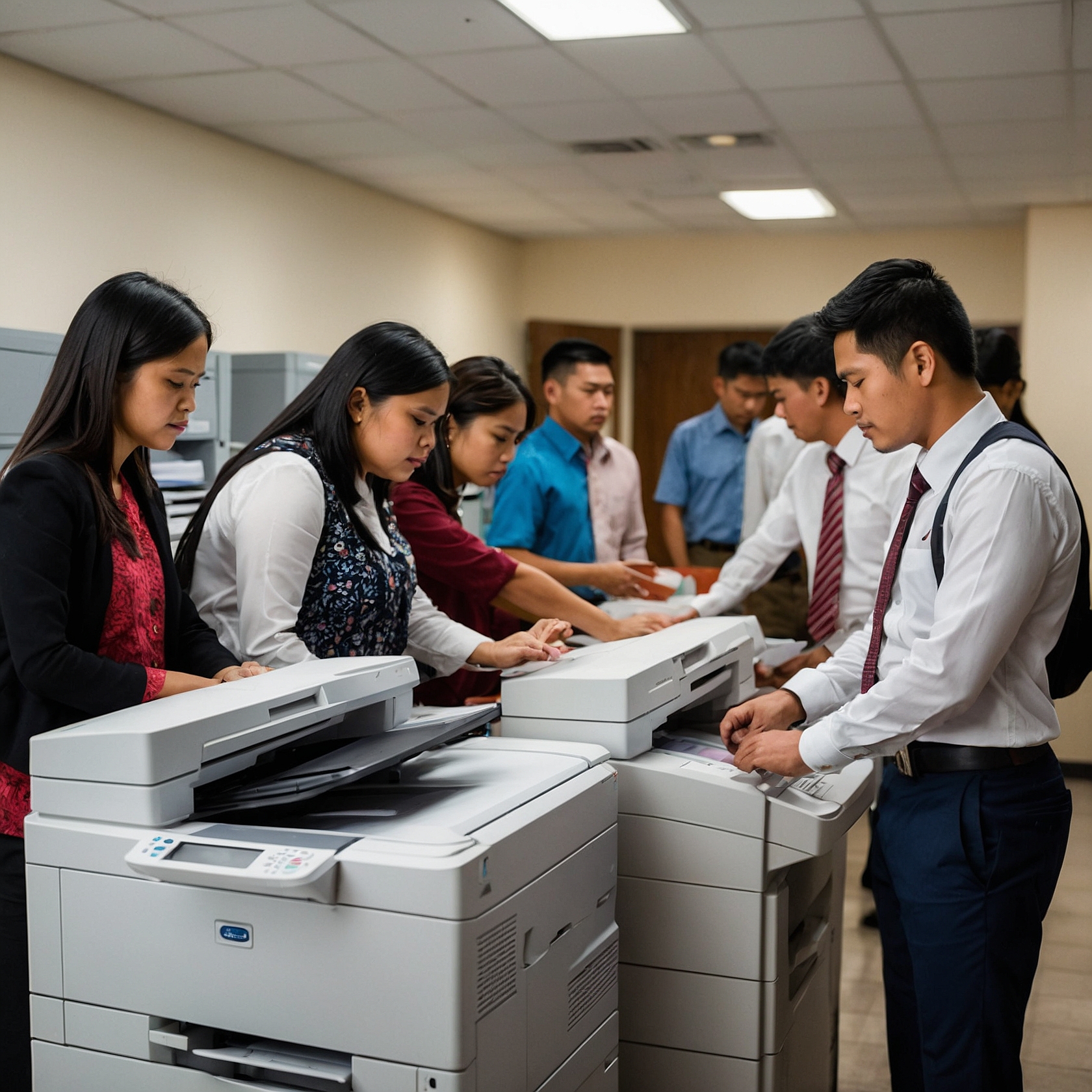
Small and medium-sized businesses (SMBs) face unique challenges when it comes to managing office equipment like copiers. One of the most crucial decisions an SMB must make is whether to rent or buy a copier. The answer largely depends on the business's needs, budget, and long-term goals. Understanding copier agreements for SMBs can help business owners make informed decisions that will save them time, money, and frustration.
In this guide, we will explore the different aspects of copier agreements, factors that affect costs, and how SMBs can optimize their rental agreements to suit their specific requirements.
What is a Copier Agreement?
A copier agreement is a contract between a business and a copier provider that outlines the terms and conditions for renting or leasing a copier. These agreements can vary in length, from short-term contracts to multi-year commitments, and typically cover elements like:
-
The copier's rental cost
-
Maintenance and support services
-
Printing quotas or limits
-
Terms of renewal or cancellation
For SMBs, copier agreements are an attractive option as they allow businesses to access high-quality, high-performance machines without the hefty upfront cost of purchasing.
Types of Copier Agreements
There are several types of copier agreements available for SMBs. Here’s a quick overview of the most common ones:
1. Operating Lease
An operating lease allows a business to rent a copier for a fixed term (typically 2-5 years) and return it at the end of the lease. These agreements often include full-service maintenance, repairs, and supplies like toner and paper. After the term ends, the copier is returned, and the business can choose a new model or continue renting.
2. Finance Lease
A finance lease works similarly to an operating lease but with the option to purchase the copier at the end of the lease period. SMBs can take advantage of this option if they intend to keep the machine after the lease term ends, making it a good choice for businesses looking for long-term use.
3. Rental Agreement
A rental agreement is usually more flexible than leasing, often used for short-term projects or when businesses need copiers for a specific period. These agreements are less common for SMBs since they tend to be more expensive on a per-month basis compared to long-term leases.
Key Factors That Affect Copier Agreement Costs
When entering a copier agreement for SMBs, several factors can influence the cost. Understanding these elements will help businesses find the most cost-effective option.
1. Copy Volume
One of the most significant factors in determining copier rental prices is how much the business will print. If your SMB produces high volumes of documents, it's essential to choose a copier with high-speed capabilities. Many copier agreements charge based on the number of copies made, so keep an eye on your estimated copy volume to avoid overage charges.
You can learn more about factors affecting copier rental prices and ensure you're choosing the right copier for your needs from this link.
2. Service and Maintenance
Another cost factor is the level of service and maintenance included in the agreement. Most copier providers offer full-service agreements that cover repairs, toner, and other consumables. However, some agreements may have an additional fee for maintenance. Make sure to assess whether the costs for maintenance are included in your copier rental agreement or if they come with an extra charge.
3. Brand and Model
Different copier brands and models come at varying price points, depending on their features. High-end models with additional features such as color printing, wireless connectivity, or large paper trays may come at a premium. However, SMBs can often save money by selecting a more basic model that meets their needs.
If you’re wondering whether renting or buying is the best decision, check out this cost comparison between renting and buying a copier here.
4. Contract Length
The length of the agreement can significantly impact your monthly payment. Typically, a longer lease term results in lower monthly payments. However, businesses should balance the monthly cost with their expected future needs, as long-term commitments may not be ideal if technology advances rapidly or if the business grows significantly.
For further information on how to budget for copier rentals, check out this guide on budgeting here.
How to Choose the Right Copier Agreement for Your SMB
Now that we understand the factors that affect copier agreement costs, let’s dive into how SMBs can choose the best option for their needs.
1. Evaluate Your Printing Needs
Before signing any copier agreement, assess how much printing your business does each month. Are you printing large volumes of color documents or primarily black-and-white pages? Will you need additional features such as faxing or scanning? By determining these needs, you can avoid paying for features you don't use.
2. Compare Terms
Not all copier agreements are created equal. Some may have hidden fees or offer poor customer service. Take time to compare terms from multiple providers, considering both the cost and services included. Look for flexible terms that allow you to upgrade or downsize your equipment as needed.
3. Consider Service and Support
Service quality is another essential aspect of copier agreements. Ensure that your agreement includes quick response times for maintenance and troubleshooting. Also, check if the contract offers easy access to technical support for issues such as paper jams or connectivity problems.
For an example of how to analyze lease terms for cost efficiency, read more here about lease terms analysis.
4. Review Cancellation Policies
SMBs should be mindful of cancellation policies, especially in case their needs change. Can you terminate or modify the contract early without incurring steep penalties? This is an essential consideration, particularly for rapidly growing businesses.
Conclusion
Choosing the right copier agreement is crucial for SMBs, as it can have a significant impact on operational efficiency and costs. By evaluating factors such as printing volume, contract length, service needs, and overall budget, SMBs can find a copier agreement that meets their specific requirements.
Make sure to carefully review the terms and services of potential copier agreements before making a decision. For additional resources and tips on maximizing cost efficiency, don't hesitate to visit Marga Enterprises for more helpful information.
Also, if you're looking for more tips and updates, be sure to check out our Facebook and YouTube pages at this link: Marga Enterprises YouTube.
By keeping these tips in mind and considering the various copier agreement options available, SMBs can confidently make the best decision for their office needs.