
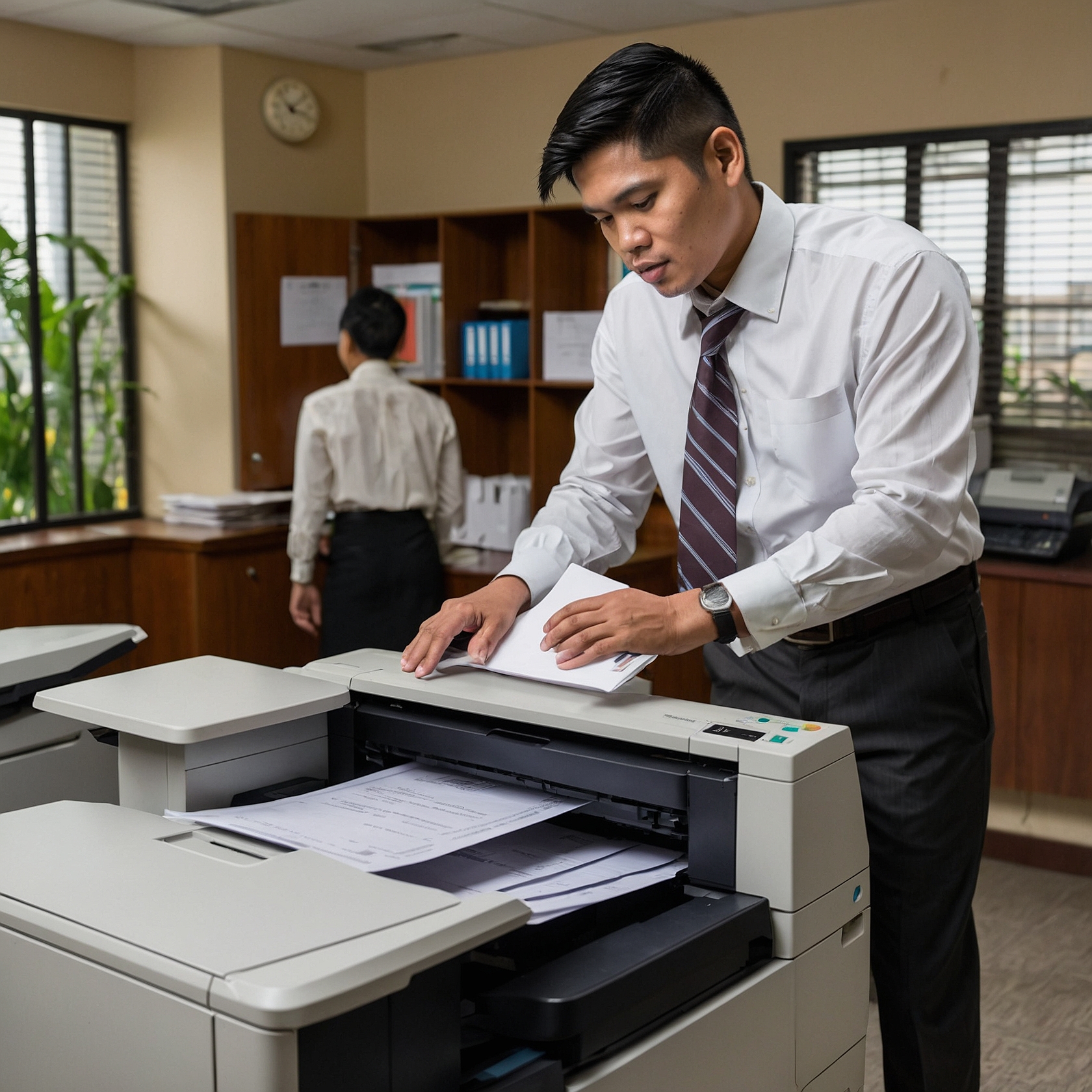
In today’s fast-paced business world, small and medium-sized businesses (SMBs) need to be agile, cost-effective, and technologically up-to-date to stay competitive. One way to achieve these goals is through a successful copier lease for SMBs. Leasing copiers instead of purchasing them outright can provide businesses with numerous advantages, including cost savings, flexibility, and access to the latest technology. In this post, we’ll explore key strategies for securing a successful copier lease, how to budget effectively, and what factors to consider to ensure a smooth and beneficial leasing experience.
What is a Copier Lease?
A copier lease is an agreement between a business and a leasing company, allowing the business to use a copier for a specified period in exchange for regular payments. At the end of the lease, the business may have the option to purchase the copier, renew the lease, or upgrade to newer models. Leasing is a practical alternative for SMBs that need high-quality equipment without the upfront cost of buying.
Key Advantages of Copier Leasing for SMBs
1. Lower Initial Investment
Leasing a copier eliminates the need for a large upfront capital investment. This is especially important for SMBs that may have limited cash flow but still need reliable office equipment to maintain productivity. Leasing allows businesses to acquire the necessary equipment without draining their financial resources, freeing up funds for other essential expenses.
2. Access to the Latest Technology
Technology evolves rapidly, and leasing ensures SMBs can stay up-to-date with the latest copier models. Many leasing agreements allow for easy upgrades, meaning your business can always have access to the most advanced and efficient equipment without worrying about obsolescence.
3. Flexible Terms and Payments
Leasing contracts can be tailored to fit the specific needs of your business. Whether you need a short-term lease or one that extends over several years, copier leasing companies often provide flexible terms. Additionally, lease payments are generally fixed, making it easier for businesses to manage their cash flow and budget effectively.
4. Maintenance and Support Included
Many copier leases include maintenance services, which means the leasing company will cover the cost of repairs and servicing. This is a significant advantage for SMBs, as it ensures the copier is always in optimal working condition, reducing downtime and avoiding expensive repair costs.
Factors to Consider When Leasing a Copier
Before entering into a copier lease agreement, SMBs should consider several factors to ensure they choose the best option for their needs:
1. Understanding Lease Terms
It’s essential to fully understand the terms of the lease before signing. The agreement should clearly outline the length of the lease, monthly payments, maintenance provisions, and options for upgrading or purchasing the copier at the end of the lease. You’ll also want to ensure there are no hidden fees that could add to the total cost.
2. Assess Your Usage Needs
Different copiers offer varying capabilities. Before committing to a lease, assess your business's specific needs. Consider factors like the volume of copies you make, the types of documents you print, and any additional features you require (e.g., color printing, faxing, scanning). This will help you choose the right machine for your business operations.
3. Research Copier Brands and Models
Not all copiers are created equal. When leasing, be sure to choose a reliable brand known for producing durable and efficient copiers. Researching the different brands and models can help you identify the best options for your business's needs. Learn about the factors affecting copier rental prices here.
4. Cost Analysis
One of the main reasons SMBs choose to lease copiers is to save money. However, it’s important to conduct a thorough cost analysis before making a decision. Look at the total cost of the lease, including maintenance, repair services, and any extra charges. Here’s a cost comparison of renting vs. buying a copier, which can help you understand the financial impact and make an informed choice.
How to Budget for Copier Rentals
Effective budgeting is crucial for any business, and copier leasing is no exception. SMBs need to ensure that their copier lease fits within their overall budget while still meeting their operational needs. Here are some tips for budgeting effectively:
1. Evaluate the Total Cost of Ownership
When leasing a copier, the total cost of ownership (TCO) includes not only the lease payments but also maintenance, ink or toner costs, and any additional supplies. It’s essential to consider all these factors when calculating your monthly and annual expenses.
2. Set a Realistic Budget
Based on your business’s cash flow, set a realistic budget for copier leasing. Factor in the copier’s operational costs, but also leave room for unexpected expenses that may arise, such as paper jams or the need for additional support services.
3. Look for Discounts or Promotions
Many copier leasing companies offer discounts or promotions for new clients. Don’t hesitate to ask about any available deals that could reduce your leasing costs. Here’s a guide to help save money on copier rentals.
4. Negotiate Terms
Some leasing agreements may be negotiable, especially for long-term contracts. Don’t be afraid to negotiate payment terms or request additional services, such as free maintenance or discounted supplies, to make the deal more affordable.
How to Ensure a Successful Copier Lease
Once you’ve selected the right copier and leasing agreement, there are several steps you can take to ensure the success of your copier lease:
1. Stay on Top of Maintenance
Regular maintenance is crucial to keeping your copier in good working condition. Make sure to adhere to the service schedule provided by your leasing company and report any issues promptly to prevent more costly repairs down the road.
2. Monitor Copier Usage
Regularly monitor how often and for what purposes your copier is being used. This will help you determine if the machine is still meeting your needs or if it’s time to upgrade or adjust the lease terms.
3. Plan for Lease End
At the end of the lease term, you’ll need to decide whether to return the copier, purchase it, or renew the lease. Start planning in advance to make this process smoother. Learn how to analyze lease terms for cost efficiency.
Conclusion: Make the Right Decision for Your SMB
A successful copier lease can significantly benefit your SMB by providing access to high-quality equipment, reducing upfront costs, and offering the flexibility needed for growth. By carefully considering the lease terms, assessing your needs, and budgeting effectively, you can ensure that your copier lease supports your business goals without breaking the bank.
To get more information about copier leasing options and see how they can benefit your business, visit Marga.biz. Also, check out our YouTube channel for more insights: Watch our videos on copier leasing here.
Make the best choice for your business today and experience the benefits of a successful copier lease!