
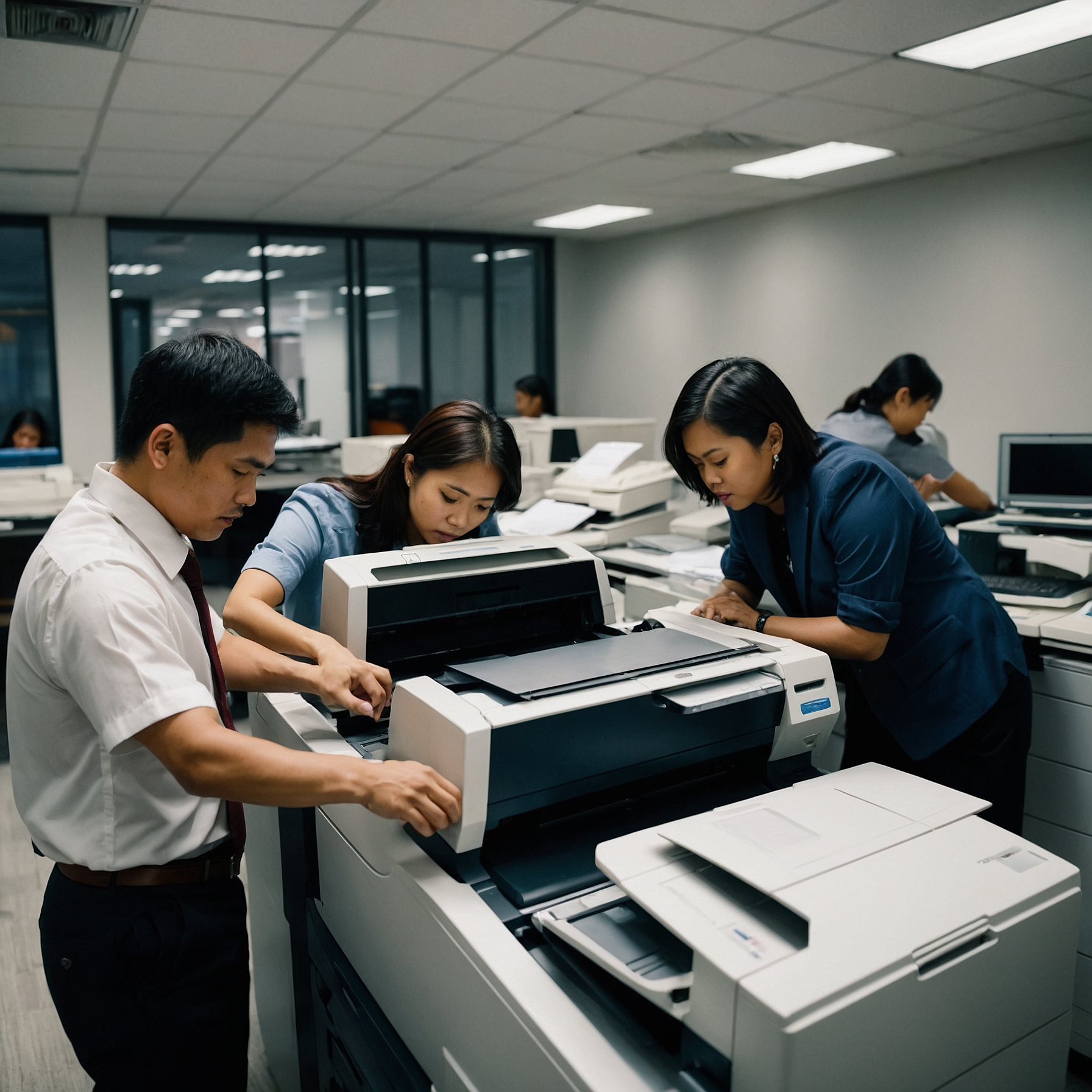
Copier Rental FAQs: Everything You Need to Know
Whether you're planning a small seminar, a large conference, or any type of event requiring copious amounts of printed material, the need for reliable, high-quality copiers is undeniable. But the process of renting copiers can seem daunting, especially if you’ve never rented one before. To help you navigate the world of copier rentals, we've compiled the most common Copier Rental FAQs to address your concerns and guide you in making an informed decision.
In this post, we’ll cover everything you need to know about copier rentals, from how they work to the factors that influence rental costs. Let’s dive into the details.
What is Copier Rental?
A copier rental is an agreement between a business or individual and a copier rental company to use a copier for a specific period, usually for a fee. This agreement is ideal for short-term use when purchasing a copier might be too expensive or unnecessary for a one-time event, project, or need.
Pro Tip: Copier rentals are commonly used for events, conferences, trade shows, or temporary office setups where short-term copying and printing are required.
Why Should I Rent a Copier Instead of Buying One?
Renting a copier offers several advantages over buying one, especially for businesses or individuals who need it for short-term use.
1. Cost Savings
The most obvious reason to rent a copier is cost savings. Purchasing a high-quality copier can be a significant financial investment. Renting, on the other hand, allows you to access the same equipment without the upfront cost, and you only pay for the period in which you need the copier.
Pro Tip: Renting is perfect for events, seasonal work, or temporary projects, where you don’t want to commit to the long-term cost of ownership.
2. Flexibility
Renting offers flexibility, allowing you to adjust the rental terms to meet your specific needs. If your event or project extends beyond the original timeline, most rental companies allow you to extend the rental term easily.
3. Access to the Latest Technology
When you rent a copier, you have access to the latest models equipped with advanced features like wireless connectivity, high-speed printing, and duplex (double-sided) printing. This gives you an advantage without the need to constantly upgrade your own equipment.
How Do Copier Rentals Work?
Renting a copier is relatively simple, but there are a few key steps involved.
1. Select a Copier Rental Company
Begin by researching and selecting a reputable copier rental company. You can find many providers online or locally. Look for a company that offers the type of copier you need, whether it’s a color copier, multifunction copier, or high-volume model.
2. Choose the Right Copier Model
Based on your needs, select a copier that fits the scale of your project or event. Consider factors like:
Print Volume: How many pages will need to be printed per day or week?
Functionality: Do you need a multifunction copier that can scan and fax as well as print?
Speed: How quickly does the copier need to print? For high-volume events, you’ll need a faster copier.
3. Agree on Rental Terms
Once you’ve selected a copier, the rental company will provide you with a contract outlining the rental period, pricing, and any additional fees. You’ll also agree on maintenance, delivery, and support terms. It’s essential to understand these terms before signing.
4. Delivery and Setup
Most rental companies will deliver and set up the copier for you. Be sure to schedule the delivery well in advance, especially if your event or project requires the copier to be ready by a specific time.
5. Return the Copier
At the end of the rental period, the copier is returned. Be sure to check the copier for any damage or issues before returning it to avoid extra charges.
What Factors Affect Copier Rental Costs?
Several factors influence the cost of renting a copier, and understanding these will help you budget effectively for your event or project. Here are the primary factors:
1. Copier Model and Features
The type of copier you rent significantly affects the price. Basic copiers may cost less to rent, while high-end, multifunction copiers with color printing and scanning capabilities will cost more.
2. Rental Duration
Most rental agreements are based on a daily, weekly, or monthly rate. Longer rental periods tend to offer better pricing. However, some companies may offer discounts for extended rentals or long-term use.
3. Print Volume
Copier rentals may have a set print volume included in the contract. If you exceed this volume, additional fees may apply. Understanding your expected print volume is essential for avoiding extra charges.
4. Delivery and Setup Fees
Some rental companies charge extra for delivery and setup, especially if your event or project is outside of their local area. Be sure to factor in these fees when budgeting for the rental.
5. Maintenance and Support
While many rental agreements include basic maintenance, some may charge for on-site technical support or repairs during the rental period. It’s important to understand what is covered by the rental fee and what may incur extra charges.
What Types of Events Benefit from Copier Rentals?
Copier rentals are especially beneficial for events that require significant printing and copying tasks. Here are some examples of events that can benefit from copier rentals:
1. Conferences and Trade Shows
Large conferences and trade shows often require extensive printing for handouts, brochures, flyers, and signage. Renting high-volume copiers can help meet these demands without compromising on quality.
2. Corporate Events and Meetings
Corporate events like annual meetings, seminars, and training sessions also require copiers to handle printing and copying tasks. Renting copiers for these events ensures that the company doesn’t need to invest in equipment it won’t use long-term.
3. Weddings and Private Events
Though not as frequent, weddings and other private events often require a copier for printing invitations, place cards, or menus. Renting a copier for these events is a cost-effective solution, especially if only a small volume of printing is needed.
4. Seasonal or Short-Term Projects
If you’re working on a seasonal project or short-term office setup, renting a copier can help you avoid the expense of purchasing equipment that you won’t use year-round.
Common Copier Rental FAQs
1. How long can I rent a copier?
Rental durations vary, but most companies offer flexible rental periods ranging from a day to several months. For short-term events, daily or weekly rentals are common, while longer-term projects may require monthly rentals.
2. Do I need to worry about maintenance during the rental?
Most rental companies provide basic maintenance and support, but it’s important to confirm the terms before renting. Some companies offer on-site support or emergency services, while others may charge extra for repairs.
3. Can I rent a copier with a specific feature (e.g., color printing)?
Yes, many rental companies offer a variety of copiers, including those with specialized features like color printing, duplex printing, or scanning. Be sure to discuss your specific needs with the rental provider.
4. Are there extra charges for exceeding the print volume?
Many rental agreements have a set print volume limit. If you exceed this limit, extra charges may apply. Make sure to understand the rental terms, including any fees for overages, before signing the contract.
Conclusion: Renting a Copier for Your Event or Project
Renting a copier for your event or project can provide the flexibility, cost-effectiveness, and functionality needed to ensure success. By understanding the key factors involved in Copier Rental FAQs, including the rental terms, features, and costs, you can make an informed decision and avoid unexpected surprises.
Whether you’re organizing a large conference or handling a short-term project, copier rentals are a great way to access high-quality equipment without the financial commitment of purchasing. Be sure to choose a reputable provider, understand the terms, and plan for additional support or maintenance as needed.
For more tips on copier rentals and event planning, stay connected with us on our Facebook and YouTube pages!
Outbound Links:
How to Budget for Copier Rentals
Factors Affecting Copier Rental Prices
What Are the Latest Trends in Copier Technology?
Advancements in copier rental faqs technology continue to drive innovation in the industry. Some of the latest trends include:
- Cloud Integration: copier rental faqs with cloud integration capabilities allow users to access and store documents securely in the cloud, facilitating remote access and collaboration.
- Mobile Printing: Mobile-friendly copier rental faqs enable users to print directly from their smartphones or tablets, enhancing convenience and flexibility.
- Enhanced Security Features: With the increasing threat of cyberattacks, copiers with robust security features such as encryption, user authentication, and data overwrite capabilities are becoming more prevalent.
- Eco-Friendly Options: Environmentally conscious businesses are opting for copier rental faqs with energy-saving features, duplex printing capabilities, and recycled materials to minimize their carbon footprint.
By staying informed about the latest trends in copier rental faqs technology, businesses can make strategic decisions when selecting rental equipment that aligns with their evolving needs and objectives.
How Can I Maximize the Value of My Copier Rental?
To maximize the value of your copier rental faqs, consider the following tips:
- Opt for Managed Print Services: Many copier rental faqs rental providers offer managed print services, which can help optimize print workflows, reduce costs, and improve efficiency.
- Train Your Staff: Provide comprehensive training to your staff on how to use the copier rental faqs efficiently and effectively to minimize errors and maximize productivity.
- Regular Maintenance: Schedule regular maintenance checks and cleaning to ensure the copier rental faqs operates smoothly and prevent potential issues.
- Monitor Usage: Keep track of print volume and usage patterns to identify areas for optimization and cost reduction.