
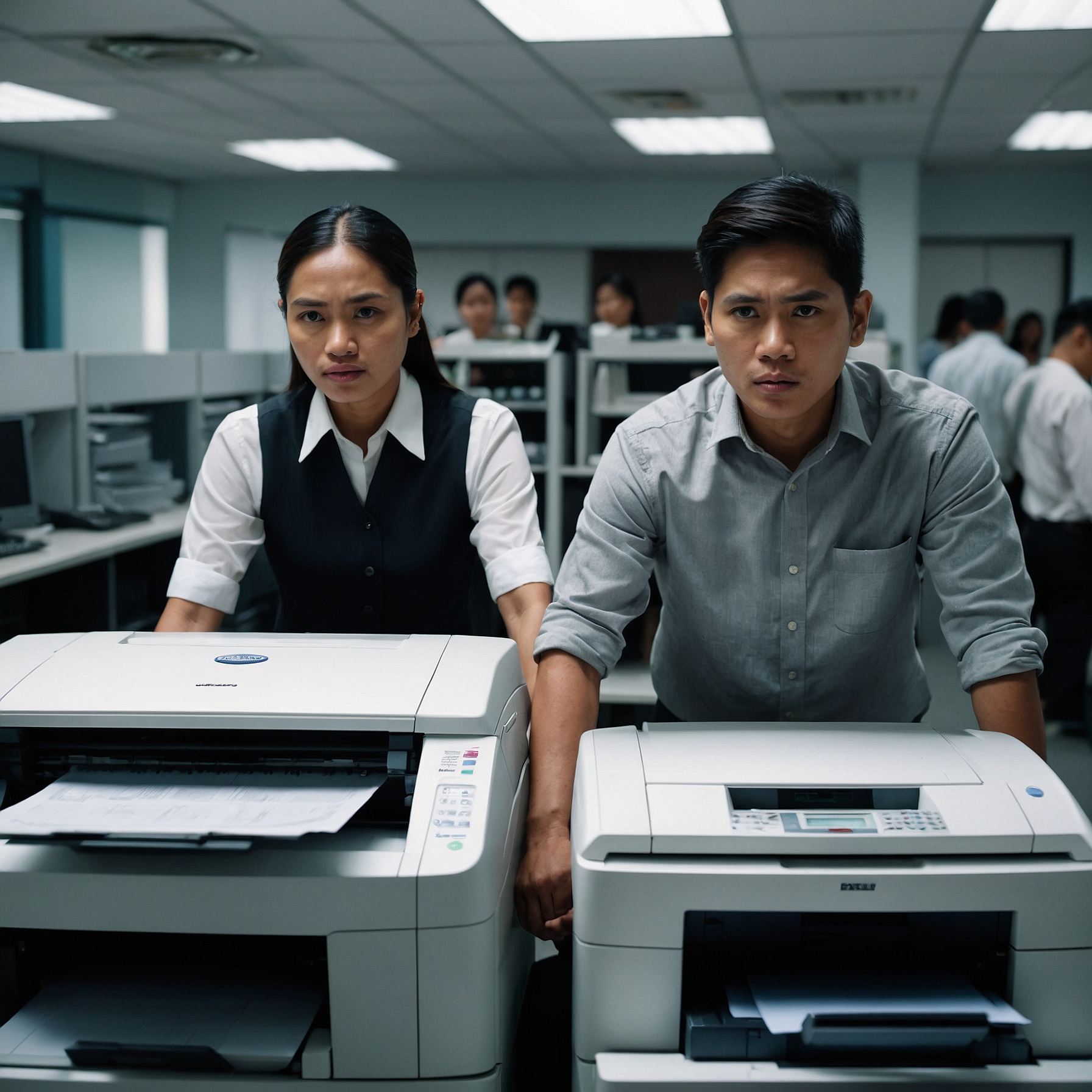
Regional Differences in Copier Technology Adoption
When it comes to copier technology, businesses around the world have varying needs and challenges. Regional differences in copier technology adoption can significantly impact how businesses operate, the technologies they choose to implement, and the support they require. This blog explores the regional trends in copier adoption, focusing on the factors that influence copier technology adoption in different regions and the benefits businesses can reap by aligning their technology choices with local trends.
Understanding Copier Technology Adoption
Copiers have evolved from simple photocopy machines to multifunctional devices that integrate with a business's digital infrastructure. Today, these machines are capable of printing, scanning, emailing, and even storing documents in the cloud. The adoption of such technology varies from region to region, influenced by factors such as infrastructure, economic development, environmental considerations, and the specific needs of local businesses.
1. Economic Development and Business Needs
One of the main drivers of regional differences in copier technology adoption is the level of economic development. In highly developed regions like North America and Europe, businesses tend to adopt the latest copier technologies to enhance productivity and support sustainability goals. These regions have more access to advanced models with high-speed printing, cloud integration, and energy-efficient features.
Conversely, in emerging markets like Southeast Asia and parts of Africa, the adoption rate may be slower due to budget constraints, limited infrastructure, and different business needs. Businesses in these regions may prioritize affordability and basic functionalities over advanced features.
For example, Southeast Asian countries like the Philippines are seeing an increasing shift toward eco-friendly copier solutions. With the rapid growth of small and medium-sized businesses (SMBs) in this region, the demand for cost-effective copier rental options is also on the rise.
2. Environmental Considerations and Green Initiatives
Across the globe, there is a growing emphasis on reducing the environmental footprint of office equipment. In regions like Europe, where environmental policies are stringent, businesses are more likely to invest in energy-efficient and eco-friendly copier solutions. European businesses prioritize copiers that use less energy, produce less waste, and are made from sustainable materials.
In contrast, regions with less stringent environmental regulations, such as parts of Asia, may not see the same level of urgency in adopting green copier technology. However, there is a growing awareness of the importance of sustainability, with companies beginning to recognize that reducing energy consumption and paper waste can lead to cost savings in the long run.
For instance, Philippine businesses are increasingly exploring eco-friendly copier solutions, which help reduce energy consumption while also contributing to long-term savings. These green initiatives align with a broader push toward sustainability, supported by companies like Marga Enterprises, which provides eco-friendly copier rentals.
3. Technological Infrastructure and Connectivity
The level of technological infrastructure and internet connectivity also plays a significant role in copier adoption. Regions with high-speed internet and well-developed IT systems, such as North America and Western Europe, are more likely to embrace digital copiers that integrate seamlessly into their networks. These regions prioritize features like cloud storage, document management systems, and the ability to print directly from mobile devices.
In regions with lower internet penetration or limited infrastructure, businesses may favor standalone copiers that don't require a high-speed internet connection to function. In such areas, traditional copiers still dominate the market, and the adoption of multifunction printers that integrate with cloud services may be slower.
4. Industry-Specific Requirements
Different industries have specific requirements that influence their copier technology adoption. In regions with a strong presence of industries like finance, education, and healthcare, businesses are more likely to invest in high-security copiers that ensure document confidentiality and compliance with industry regulations. These copiers often come equipped with features such as secure printing, user authentication, and encrypted storage.
In contrast, small businesses in retail or hospitality may prioritize cost-effectiveness and user-friendly features over high-security options. These businesses are more likely to adopt basic models that meet their functional needs without incurring high costs.
5. Support and Maintenance Needs
Another important factor in regional differences is the availability of technical support and maintenance services. In regions with robust support networks, businesses are more willing to invest in complex copier technologies, knowing that they can rely on professional maintenance and troubleshooting services. North American and European countries tend to have more reliable service providers who can handle the repair and maintenance of sophisticated copier models.
However, in regions with limited technical expertise, such as parts of Africa and Southeast Asia, businesses may be more cautious about adopting advanced copier technologies. In these regions, businesses often prefer copiers with simpler designs that require less frequent maintenance and are easier to repair locally.
Addressing Regional Copier Issues
No matter the region, all businesses face common copier issues. Understanding and addressing these challenges can help companies improve productivity and minimize downtime.
1. Maintenance Issues and Solutions
Proper maintenance is crucial for ensuring the longevity of copiers. Regular cleaning, timely toner replacement, and preventive servicing can help businesses avoid costly repairs and extend the lifespan of their equipment. In regions where technical support is readily available, businesses are more likely to engage in regular maintenance.
For more on common maintenance issues and solutions, you can check out this link.
2. Handling Printer Downtime
Copier downtime can disrupt business operations and lead to delays. Businesses in all regions must be proactive in managing downtime by ensuring timely repairs and investing in backup systems. For tips on how to handle printer downtime, check out this article.
3. Resolving Connectivity Issues
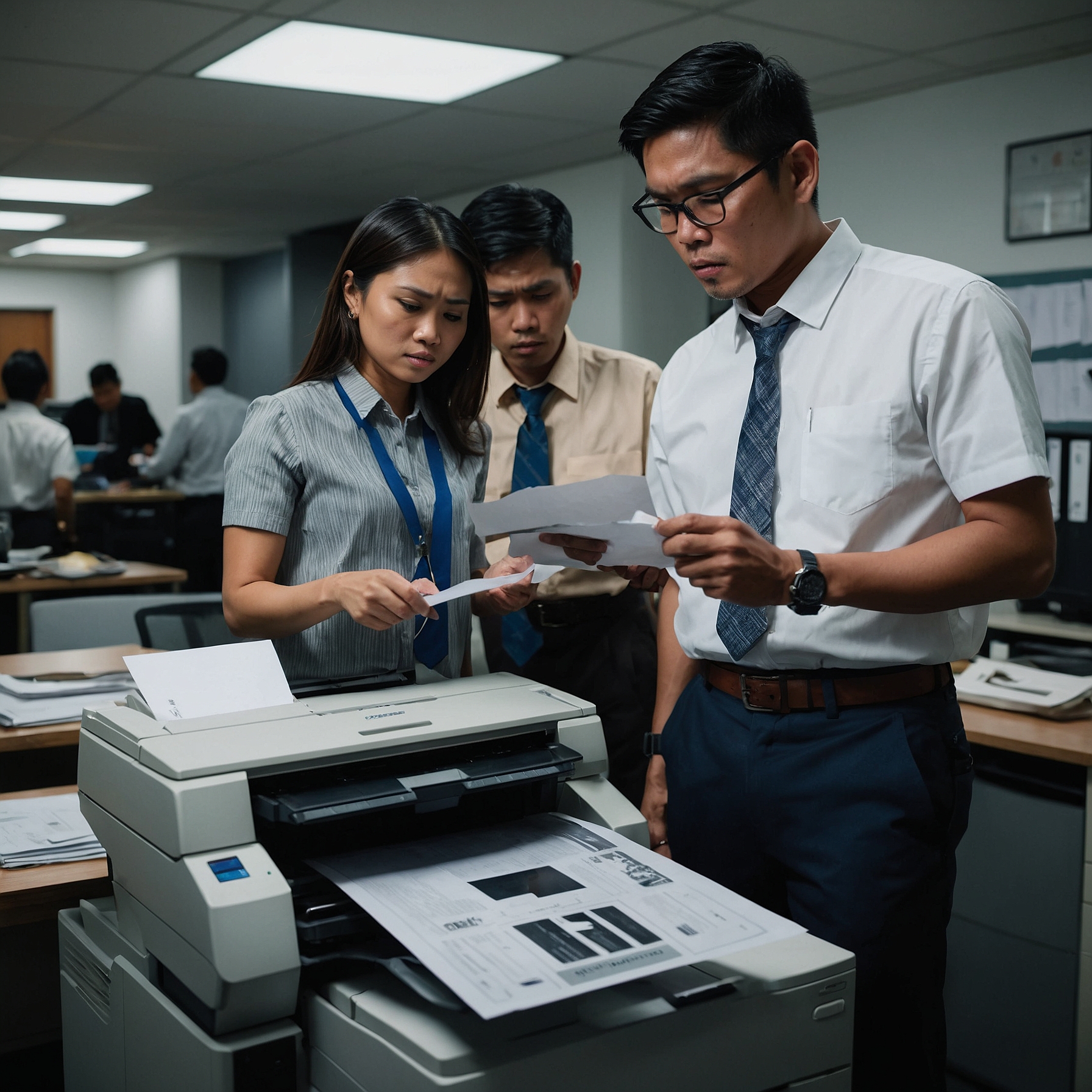
Connectivity problems, especially in regions with unstable internet infrastructure, can hinder the use of digital copiers. Ensuring stable connections and investing in reliable IT infrastructure can help businesses avoid these issues. For solutions to connectivity problems, check out this link.
Conclusion
Regional differences in copier technology adoption reflect diverse business needs, economic conditions, and environmental considerations. While developed regions prioritize cutting-edge technologies and sustainability, emerging markets focus on affordability and functionality. Regardless of location, businesses worldwide can benefit from understanding their specific requirements and addressing common copier challenges.
To learn more about copier rentals and how Marga Enterprises can support your green initiatives, contact us today at 09171642540 or 09614481276. You can also reach us via email at marga.enterprises2013@gmail.com. Let’s work together to build a greener, more sustainable future for generations to come. Visit Marga Enterprises and find out why we are the No. 1 Copier & Printer Rental Provider in the Philippines.
Join our growing community on Facebook and Youtube for exclusive content and discussions designed to propel your business forward. Stay updated on our posts and be part of the conversation!