
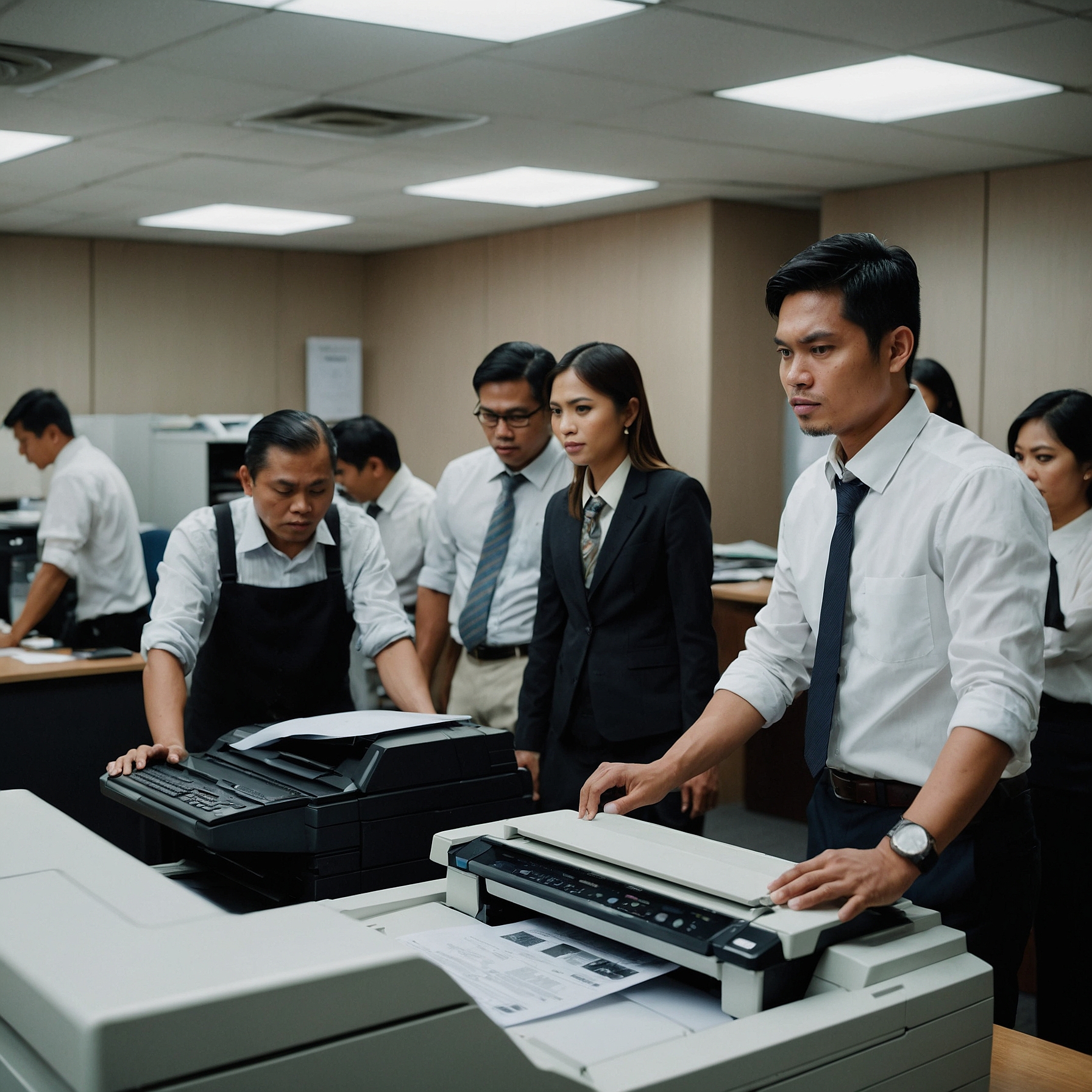
Understanding the Legal and Regulatory Factors in Regional Rentals: When considering regional rentals, especially for essential business equipment like copiers, printers, and more, it's vital to understand the legal and regulatory factors involved. These factors impact everything from rental costs to terms of service, compliance, and your responsibilities as a renter. In this blog, we will explore key legal considerations and regulations businesses need to be aware of when engaging in regional rentals, particularly copier and printer rentals.
The Importance of Legal and Regulatory Awareness
Legal and regulatory factors in regional rentals are crucial. They ensure both the rental company and renter are protected. These regulations clarify boundaries and expectations, providing a framework for resolving disputes. Being aware of these factors helps businesses avoid legal complications and penalties, ensuring smooth operations and preventing unnecessary expenses.
Key Legal and Regulatory Factors in Regional Rentals
1. Rental Agreements and Contracts
The rental agreement or contract is a fundamental aspect of any rental transaction. This document outlines the terms of the rental, such as the rental duration, fees, and additional costs.
A well-crafted rental agreement should cover:
-
Rental Duration: The length of the rental and terms for renewal or early termination.
-
Payment Terms: The payment schedule, including deposits, late fees, or penalties for non-payment.
-
Usage Restrictions: Limitations on how the equipment can be used, such as restrictions on modifications.
-
Maintenance and Repairs: Clarification of which party handles maintenance and repairs during the rental period.
It’s essential for businesses to carefully review the rental agreement to ensure it aligns with their operational needs and legal requirements.
2. Compliance with Local Regulations
Each region or country has laws governing rental transactions, including safety standards and environmental regulations. For example, when renting copiers or printers, businesses must ensure the equipment complies with local environmental laws, such as energy efficiency standards.
In the Philippines, businesses should be aware of the Consumer Act of the Philippines (Republic Act No. 7394). This act sets guidelines for fair trade practices, protecting consumers from fraudulent or unfair rental terms. It also includes transparency in pricing, clear terms in contracts, and consumer rights related to product performance and returns.
3. Environmental Regulations
Environmental regulations play an increasing role in rental businesses. More companies are opting for eco-friendly and energy-efficient equipment. For example, the Philippine Clean Air Act and the Ecological Solid Waste Management Act require businesses to follow specific waste management practices. These laws ensure rented equipment does not harm the environment.
Today, many businesses prefer green alternatives in copier and printer rentals to support sustainability efforts. Copier rental companies must provide energy-efficient devices and adhere to environmental regulations to avoid fines and penalties.
4. Liability and Insurance
Understanding liability and insurance is crucial when renting equipment. Rental agreements should clearly state who is responsible for repairs and damages. This is particularly important for regional rentals, where equipment may be moved across different locations.
Renters should also inquire about insurance coverage to protect the rented equipment from unexpected events. Many rental companies offer insurance for theft, fire, or accidental damage. Businesses should assess whether this coverage is sufficient to protect their investment.
5. Data Privacy and Security
When renting copiers or printers, businesses must consider data security. The Data Privacy Act of 2012 (Republic Act No. 10173) requires businesses to protect personal or confidential data handled by rented equipment.
This is particularly important when using copiers or printers for sensitive business information, such as financial reports, client data, or contracts. Businesses should ensure rented equipment has secure features, such as encrypted data storage and user access controls. They should also ensure the rental company has protocols for data erasure when the equipment is returned.
Common Legal Issues in Copier and Printer Rentals
Despite having a solid rental agreement, legal issues can still arise. Some of the most common problems include:
-
Maintenance and Downtime: Malfunctioning equipment can disrupt business operations. Businesses should know who is responsible for repairs and how to handle breakdowns. For more details, check out the Maintenance Issues and Solutions in Printer Rentals article.
-
Late Returns and Penalties: Returning rented equipment late can lead to additional fees. Businesses should be aware of the rental company’s late return policies and the consequences of returning equipment past the due date.
-
Connectivity Issues: Networked copiers or printers can experience connectivity problems. Businesses should understand how to troubleshoot and resolve these issues. The Connectivity Issues in Printer Rentals article can provide helpful guidance.
Practical Tips for Navigating Regional Rental Laws
-
Review Contracts Carefully: Always read the rental agreement in detail. Ensure you understand all terms, including payment, maintenance, and liability clauses.
-
Research Local Regulations: Be aware of local laws and environmental regulations that might impact your rental agreement. Compliance ensures legal and sustainable operations.
-
Choose the Right Equipment: Select equipment that fits your business’s needs while complying with local standards and regulations.
-
Consult Legal Professionals: If you have doubts about any part of your rental agreement, consider consulting a legal professional specializing in business contracts or equipment rentals.
Conclusion
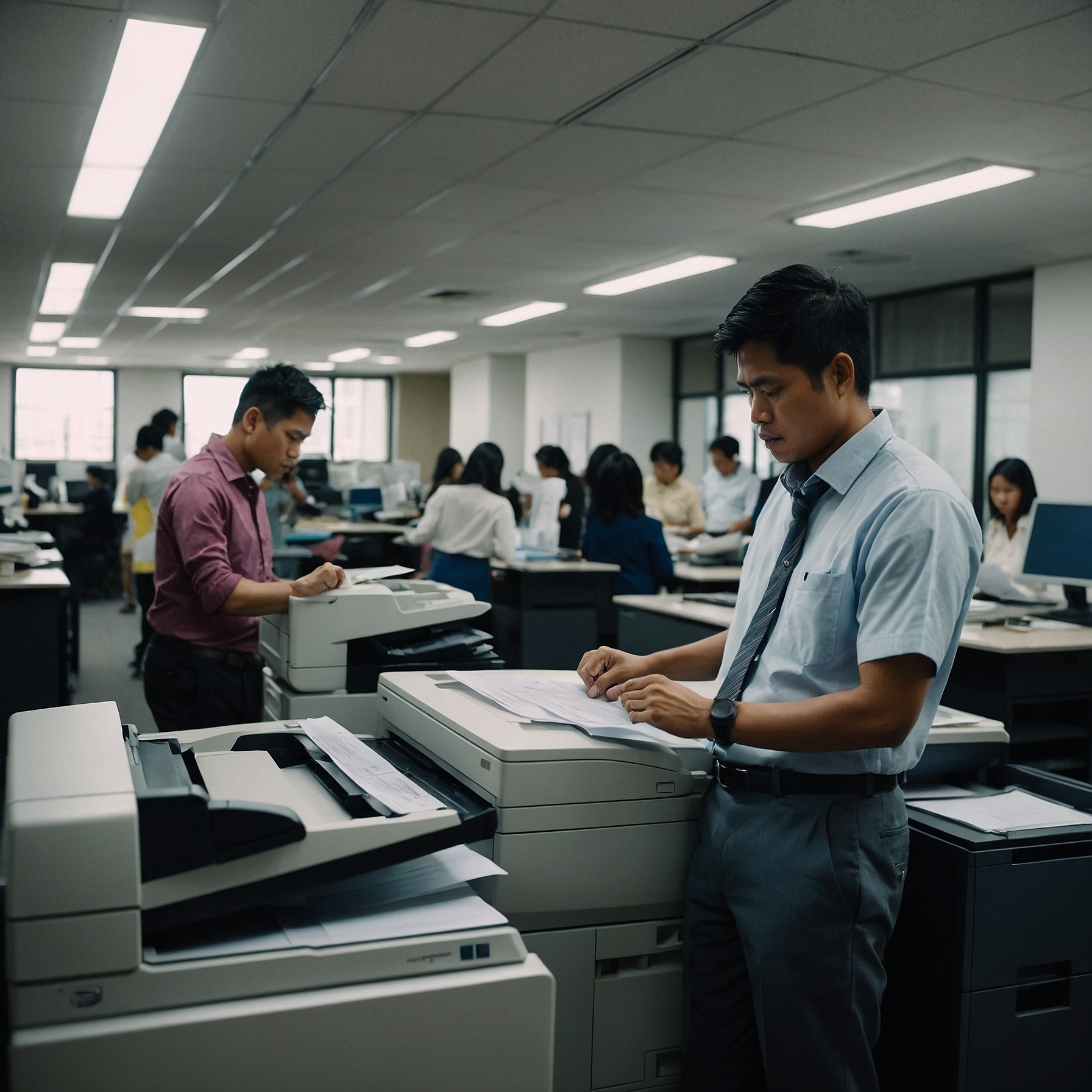
Understanding the Legal and Regulatory Factors in Regional Rentals is crucial for businesses looking to engage in copier, printer, or other equipment rentals. By being aware of the legal landscape, businesses can avoid costly mistakes, ensure compliance with regulations, and make informed decisions that align with their operational needs and sustainability goals.
To learn more about copier rentals and how Marga Enterprises can support your green initiatives, contact us today at 09171642540 or 09614481276. You can also reach us via email at marga.enterprises2013@gmail.com. Let’s work together to build a greener, more sustainable future for generations to come. Visit Marga Enterprises and find out why we are the No. 1 Copier & Printer Rental Provider in the Philippines.
Join our growing community on Facebook and Youtube for exclusive content and discussions designed to propel your business forward. Stay updated on our posts and be part of the conversation!