

When entering into a rental agreement, whether it’s for a copier, office space, or any other rental asset, understanding the penalties and fees outlined in the contract is crucial. These financial implications can affect your budget and decision-making process, so it’s important to know what to expect. In this blog post, we’ll explore common penalties and fees in rental agreements, how to avoid them, and what to look for when signing a contract.
Why Understanding Rental Penalties and Fees is Important
Before signing any rental agreement, understanding the penalties and fees involved is essential to avoid unexpected financial burdens. Rental contracts are designed to protect both parties—the landlord or rental company and the tenant. However, they can sometimes include terms that are not immediately clear, leading to costly consequences if violated.
By understanding penalties and fees, you can better manage your rental contract, ensure compliance, and save money in the long run. Let’s break down the most common types of penalties and fees you may encounter in rental agreements.
Common Penalties and Fees in Rental Agreements
1. Late Payment Fees
One of the most common penalties in rental agreements is the late payment fee. If you fail to pay your rent or rental fees on time, the landlord or rental company may charge a penalty for each day the payment is overdue. These fees can add up quickly, increasing the overall cost of your rental.
To avoid late payment fees, it’s important to set reminders for payment due dates or automate your payments if possible. If you do encounter a delay, communicate with the rental provider as soon as possible to explain the situation and potentially negotiate an extension.
2. Damage Fees
Rental agreements typically include a clause about the condition of the property or equipment upon return. If there’s any damage to the rented asset, whether it’s a copier, office furniture, or vehicle, you may be required to pay for repairs or replacement.
Damage fees can vary depending on the extent of the damage. It's important to inspect the rental item thoroughly when you receive it and again when returning it, noting any pre-existing damage in the contract to avoid being held responsible for it.
3. Early Termination Fees
If you decide to end your rental agreement before the contract term is up, you may face early termination fees. These penalties are often a percentage of the remaining balance or a fixed fee based on the contract terms.
To avoid early termination fees, carefully review the rental agreement to understand the conditions under which you can terminate the contract. In some cases, negotiating a shorter rental period or opting for a more flexible agreement may help.
4. Excess Usage Fees
Some rental agreements include limits on the usage of the rented item, such as the number of copies you can make with a copier or the number of miles you can drive a rental vehicle. If you exceed these limits, you may be charged additional fees.
Make sure to read the terms of the rental agreement regarding usage limits and consider your needs before signing the contract. This will help you avoid any unexpected charges for exceeding the agreed-upon limits.
5. Cleaning Fees
Certain rental agreements, especially for event spaces or vacation rentals, may include cleaning fees. These fees are charged to cover the cost of cleaning the rental property after use. If the property is left in a condition that requires extra cleaning, you may be charged additional fees.
To avoid cleaning fees, make sure to return the rental item or property in the same condition it was received. If you're renting equipment, ensure it’s cleaned and maintained according to the agreement.
6. Failure to Return Items on Time
Many rental agreements specify the date and time by which the rental item must be returned. If you fail to return it on time, you may incur daily late fees or be charged for an additional rental period. This is particularly common with equipment rentals, such as copiers or vehicles.
Be sure to check the return policy and set reminders to ensure the item is returned promptly. If you need the item longer than initially planned, communicate with the rental provider to extend the rental period.
How to Avoid Penalties and Fees
1. Read the Fine Print
Always carefully read the rental agreement before signing. Look for sections detailing penalties and fees, including late fees, damage fees, early termination charges, and any other additional costs. Understanding these terms upfront will help you avoid surprises down the road.
2. Keep Track of Rental Terms
Keep a record of your rental terms, including payment due dates, usage limits, and return deadlines. Setting reminders and staying organized can help you avoid missing deadlines and incurring penalties.
3. Inspect the Rental Item
Before accepting a rental, inspect it for any damage or issues. Document any pre-existing damage and report it to the rental provider to avoid being charged for it later.
4. Communicate with the Rental Provider
If you anticipate any issues, such as a delayed payment or the need to extend the rental period, communicate with the rental provider as soon as possible. Open communication can sometimes result in more flexible terms or waivers of certain fees.
Conclusion
Penalties and fees in rental agreements can add up quickly and significantly impact your budget. By understanding the common penalties, such as late payment fees, damage fees, and early termination charges, you can take proactive steps to avoid these costs. Always read the rental agreement carefully, keep track of deadlines and usage limits, and communicate with the rental provider when necessary.
If you want to learn more about managing copier rental agreements and avoiding hidden fees, check out these helpful resources:
Factors Affecting Copier Rental Prices
Cost Comparison: Renting vs. Buying a Copier
How to Budget for Copier Rentals
Saving Money on Copier Rentals
For more information and tips on optimizing your copier rental agreement, visit our home page.
Additionally, you can check out our YouTube page for additional insights and tips.
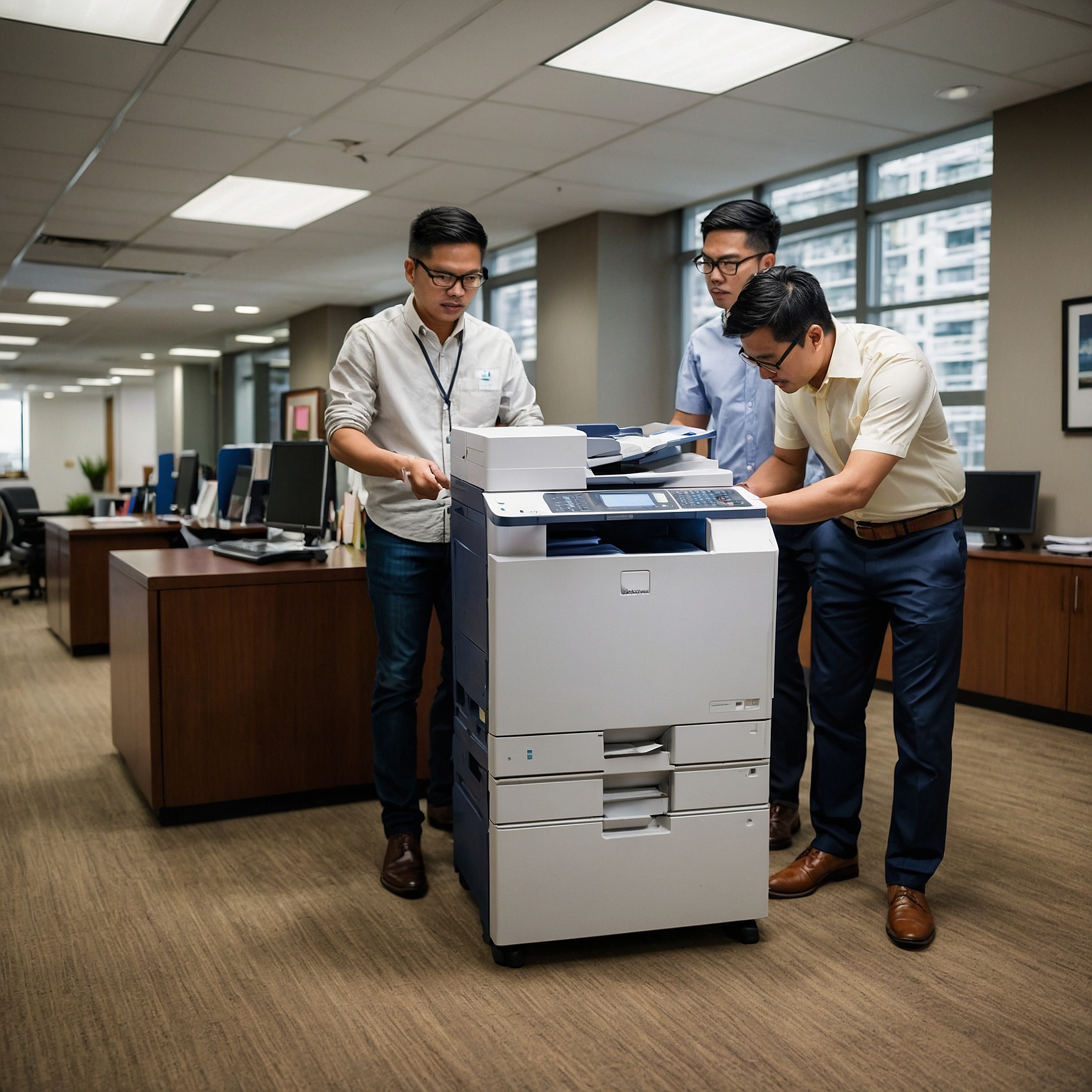
Managing and Mitigating Penalties in Rental Agreements
While penalties and fees in rental agreements are a common part of the business landscape, they don’t have to result in financial stress. By adopting proactive strategies, businesses can minimize the likelihood of incurring penalties and create a mutually beneficial relationship with their rental provider.
Strategies for Managing Penalties
Proactive Communication with Providers
Open communication ensures transparency in expectations. If you foresee a late payment or other issue, informing the provider in advance may lead to leniency or revised terms.- Providers like Marga Enterprises often value long-term partnerships and prioritize feedback and improvement for copier rentals to enhance customer satisfaction.
Understanding Contractual Obligations
A thorough review of your rental agreement is critical. Pay close attention to clauses about:- Damage Penalties: Ensure you understand what constitutes “damage” and whether regular wear and tear is excluded.
- Overage Fees: Know the exact limits on usage and what the charges will be for exceeding them.
Selecting the Right Equipment
Choosing equipment that aligns with your business needs prevents unnecessary costs. For instance, businesses with high printing demands should opt for machines with high-volume copier features to avoid overage charges.Customizing Rental Plans
Customized agreements can help mitigate penalties. Businesses with fluctuating needs should negotiate flexible terms, such as seasonal usage adjustments or variable lease durations.
Avoiding Common Penalties
Preventing Damage Fees
Proper handling and routine maintenance are key. Many providers include maintenance services, but renters should also take the initiative to monitor equipment condition.- For example, maintenance strategies for high-volume copiers are designed to prevent damage and extend machine life.
Managing Overages
Monitoring usage ensures you stay within agreed limits. Tools provided by modern rental equipment, like usage tracking dashboards, make it easier to manage consumption.Staying Compliant with Return Procedures
Adhering to the rental return procedures for color copiers minimizes end-of-lease penalties. Ensure all equipment is cleaned, functional, and returned on time.Preparing for Unexpected Costs
Setting aside a contingency fund for unexpected fees can alleviate financial strain. By planning for potential penalties, businesses can protect their cash flow.
The Financial Implications of Penalties
Impact on Operational Budgets
Penalties like damage fees or overage charges can disrupt budgets, particularly for small businesses. These costs often arise unexpectedly, underscoring the importance of clear agreements.Cost vs. Value
While penalties may seem costly, they can also reflect the value of the service provided. For example, damage penalties ensure equipment integrity for future renters. Understanding the balance between cost and value is crucial.Avoiding Long-Term Expenses
Non-compliance with contractual obligations can lead to increased costs over time, including higher renewal rates or legal fees. Managing compliance effectively reduces these risks.
The Role of Technology in Managing Fees
Usage Monitoring Tools
Modern copiers include tools that track usage in real time, helping renters avoid overage charges.- Machines with advanced technology in high-volume copiers simplify monitoring and compliance.
Smart Alerts
Alerts for approaching limits or scheduled maintenance help renters stay proactive and avoid penalties.Eco-Friendly Features
Copiers with sustainable printing options, such as duplex printing, reduce costs and align with sustainable practices in high-volume printing.
FAQs
Q: How can I avoid late payment penalties?
A: Set reminders for payment deadlines and communicate with your provider if delays are expected. Many providers may offer grace periods for loyal clients.
Q: What steps can I take to prevent damage penalties?
A: Follow usage guidelines, schedule regular maintenance, and ensure proper handling by trained staff.
Q: Are there tools to help monitor copier usage?
A: Yes, modern copiers include usage tracking features that send alerts when nearing limits.
Q: Can rental agreements be adjusted after signing?
A: Some agreements allow for amendments, but both parties must agree. Amendments in contracts can clarify terms to better fit your needs.
Q: What should I do if I disagree with a penalty charge?
A: Review your contract, gather evidence, and discuss the issue with your provider. Open communication often resolves disputes.
Q: How do providers ensure transparency in fees?
A: Reputable providers include all potential penalties and fees in their contracts, offering clarity upfront.
Q: What is the best way to prepare for unexpected penalties?
A: Create a contingency fund and review your rental agreement thoroughly to understand possible charges.
Q: Are penalties standard in all rental agreements?
A: Yes, most agreements include penalties to protect providers, but terms and amounts can vary widely.
Q: Can negotiating rental terms reduce penalty risks?
A: Absolutely. Customizing agreements and discussing potential charges upfront helps align the contract with your needs.

Penalties and Fees in Rental Agreements: What You Need to Know
When entering into a rental agreement, whether it’s for a copier, office space, or any other rental asset, understanding the penalties and fees outlined in the contract is crucial. These financial implications can affect your budget and decision-making process, so it’s important to know what to expect. In this blog post, we’ll explore common penalties and fees in rental agreements, how to avoid them, and what to look for when signing a contract.
Why Understanding Rental Penalties and Fees is Important
Before signing any rental agreement, understanding the penalties and fees involved is essential to avoid unexpected financial burdens. Rental contracts are designed to protect both parties—the landlord or rental company and the tenant. However, they can sometimes include terms that are not immediately clear, leading to costly consequences if violated.
By understanding penalties and fees, you can better manage your rental contract, ensure compliance, and save money in the long run. Let’s break down the most common types of penalties and fees you may encounter in rental agreements.
Common Penalties and Fees in Rental Agreements
1. Late Payment Fees
One of the most common penalties in rental agreements is the late payment fee. If you fail to pay your rent or rental fees on time, the landlord or rental company may charge a penalty for each day the payment is overdue. These fees can add up quickly, increasing the overall cost of your rental.
To avoid late payment fees, it’s important to set reminders for payment due dates or automate your payments if possible. If you do encounter a delay, communicate with the rental provider as soon as possible to explain the situation and potentially negotiate an extension.
2. Damage Fees
Rental agreements typically include a clause about the condition of the property or equipment upon return. If there’s any damage to the rented asset, whether it’s a copier, office furniture, or vehicle, you may be required to pay for repairs or replacement.
Damage fees can vary depending on the extent of the damage. It's important to inspect the rental item thoroughly when you receive it and again when returning it, noting any pre-existing damage in the contract to avoid being held responsible for it.
3. Early Termination Fees
If you decide to end your rental agreement before the contract term is up, you may face early termination fees. These penalties are often a percentage of the remaining balance or a fixed fee based on the contract terms.
To avoid early termination fees, carefully review the rental agreement to understand the conditions under which you can terminate the contract. In some cases, negotiating a shorter rental period or opting for a more flexible agreement may help.
4. Excess Usage Fees
Some rental agreements include limits on the usage of the rented item, such as the number of copies you can make with a copier or the number of miles you can drive a rental vehicle. If you exceed these limits, you may be charged additional fees.
Make sure to read the terms of the rental agreement regarding usage limits and consider your needs before signing the contract. This will help you avoid any unexpected charges for exceeding the agreed-upon limits.
5. Cleaning Fees
Certain rental agreements, especially for event spaces or vacation rentals, may include cleaning fees. These fees are charged to cover the cost of cleaning the rental property after use. If the property is left in a condition that requires extra cleaning, you may be charged additional fees.
To avoid cleaning fees, make sure to return the rental item or property in the same condition it was received. If you're renting equipment, ensure it’s cleaned and maintained according to the agreement.
6. Failure to Return Items on Time
Many rental agreements specify the date and time by which the rental item must be returned. If you fail to return it on time, you may incur daily late fees or be charged for an additional rental period. This is particularly common with equipment rentals, such as copiers or vehicles.
Be sure to check the return policy and set reminders to ensure the item is returned promptly. If you need the item longer than initially planned, communicate with the rental provider to extend the rental period.
Long-Term Strategies to Minimize Penalties in Rental Agreements
Successfully navigating penalties and fees in rental agreements isn’t just about avoiding short-term costs—it’s about building sustainable practices that ensure long-term efficiency and compliance. In this final part, we’ll explore strategic approaches to fostering strong provider relationships, leveraging technology, and aligning rental agreements with business goals.
Building Strong Relationships with Providers
Establishing Open Communication
A transparent and collaborative relationship with your provider is one of the most effective ways to prevent penalties. Regular discussions about potential challenges, usage patterns, and compliance ensure both parties are aligned.
Leveraging Feedback Systems
Many providers encourage feedback to improve their services. Sharing insights on your experience can lead to adjustments in your agreement or additional support, especially if penalties arise. Providers like Marga Enterprises prioritize feedback and improvement for copier rentals to enhance client satisfaction.
Developing Long-Term Partnerships
Long-term clients often receive additional benefits, such as reduced penalties or more flexible terms. Building trust through consistent communication and timely payments fosters these perks.
Leveraging Technology to Avoid Penalties
Predictive Analytics
Advanced copiers with predictive maintenance features identify potential issues before they result in penalties. These technologies reduce the risk of damages and downtime.
Explore advanced technology in high-volume copiers to understand how modern machines can support compliance.
Remote Monitoring
Many rental providers offer tools for remote monitoring, allowing businesses to track copier usage and performance in real-time. These insights help avoid overages and ensure timely maintenance.
Eco-Friendly Practices
Machines with sustainable practices in high-volume printing minimize waste and reduce costs, aligning with environmental regulations while avoiding associated penalties.
Aligning Rental Agreements with Business Goals
Tailoring Contracts to Seasonal Needs
Businesses with fluctuating demands, such as event-based companies, should negotiate agreements that account for high- and low-usage periods.
Check out choosing copiers for different event sizes for strategies tailored to event planning.
Regularly Reviewing Terms
Periodic reviews of your agreement ensure it continues to meet your needs. Adjusting clauses for overages or return policies can help avoid unexpected costs.
Focusing on Scalability
As your business grows, your equipment needs may change. Opt for agreements that allow for upgrades or adjustments without incurring significant penalties.
Learn more about scalability in rental agreements to plan for future growth.
Future Trends in Rental Agreements
Flexible Fee Structures
Emerging trends in rental agreements focus on flexibility, with providers offering adjustable fees based on usage and business size.
Integration with Cloud Services
Future rental equipment will likely include enhanced cloud capabilities, simplifying data management and ensuring compliance with security regulations.
Enhanced Sustainability Features
As environmental concerns grow, providers will prioritize eco-friendly solutions, reducing penalties related to waste and energy use.
Conclusion
Penalties and fees in rental agreements can add up quickly and significantly impact your budget. By understanding the common penalties, such as late payment fees, damage fees, and early termination charges, you can take proactive steps to avoid these costs. Always read the rental agreement carefully, keep track of deadlines and usage limits, and communicate with the rental provider when necessary.
If you want to learn more about managing copier rental agreements and avoiding hidden fees, check out these helpful resources:
Factors Affecting Copier Rental Prices
Cost Comparison: Renting vs. Buying a Copier
How to Budget for Copier Rentals
Saving Money on Copier Rentals
For more information and tips on optimizing your copier rental agreement, visit our home page.
Additionally, you can check out our YouTube page for additional insights and tips.