
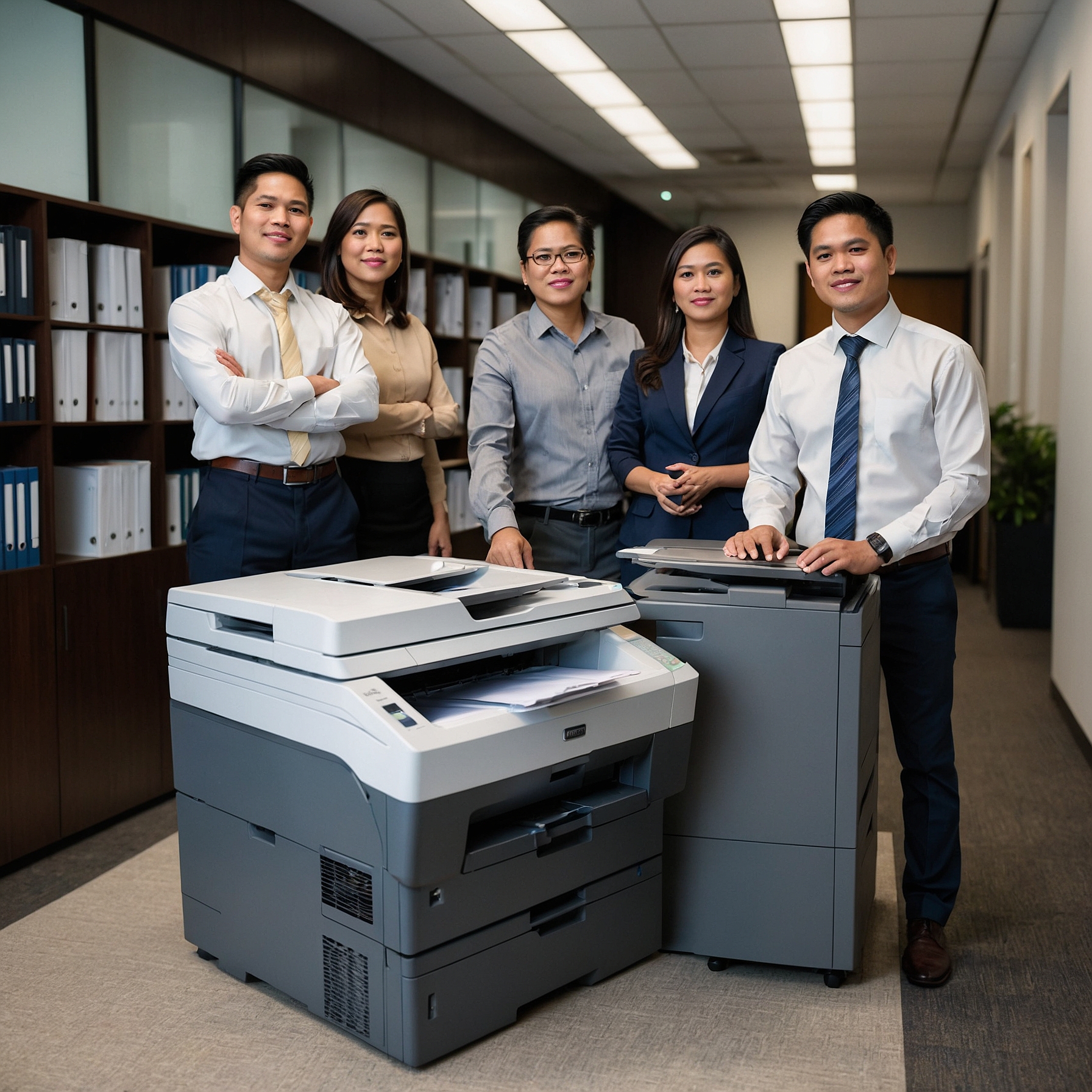
When it comes to managing office equipment, renting a copier can be an affordable and flexible option. However, the process of negotiating copier rental agreements can be a bit tricky if you're not sure what to look for. Understanding the key factors involved in these agreements can help you secure the best deal for your business. In this guide, we'll walk you through everything you need to know about negotiating copier rental agreements, ensuring you make an informed decision that aligns with your business needs.
Why Negotiate Copier Rental Agreements?
Negotiating copier rental agreements allows you to tailor the terms to your business's specific requirements. While most copier rental companies offer standard packages, you don’t have to settle for a one-size-fits-all agreement. The terms you negotiate can impact the overall cost, service quality, and flexibility of the contract, which are crucial factors for businesses that rely on copiers for daily operations.
Related Read: How to Budget for Copier Rentals
Key Factors to Consider When Negotiating Copier Rental Agreements
Before entering into a copier rental agreement, it's essential to consider various factors that can affect the overall cost and suitability of the rental. These include:
1. Duration of the Agreement
The length of your copier rental agreement can significantly impact your monthly payments. Short-term agreements may offer flexibility but often come at a higher monthly cost. On the other hand, long-term contracts tend to provide better rates but lock you into a commitment for several years. It's important to choose the right balance based on your business's copier needs.
2. Type of Copier and Features
Different copiers come with different features, such as color printing, scanning capabilities, and faxing options. When negotiating your agreement, ensure that the copier you select aligns with your business’s operational requirements. Avoid overpaying for features that you won’t use, but also ensure that the copier can handle your volume of printing, scanning, and copying.
Read More: Factors Affecting Copier Rental Prices
3. Service and Maintenance Terms
The level of service and maintenance provided by the rental company is crucial. Ensure that your rental agreement includes regular servicing, repairs, and support. Some rental companies offer all-inclusive plans, while others may charge extra for repairs or maintenance. Make sure the service plan suits your business’s needs to avoid unexpected costs.
4. Cost and Payment Terms
Understand the payment structure before signing an agreement. Copier rental contracts often involve monthly payments, but the cost can vary based on factors such as the type of copier, the number of copies made, and the length of the contract. Be sure to inquire about any hidden fees, including installation charges, delivery costs, or penalties for early termination of the agreement.
See More: Cost Comparison: Renting vs. Buying a Copier
5. Upgrades and Equipment Replacement
Some rental agreements allow you to upgrade your copier during the contract term. If technology changes or your business grows, having the option to upgrade to a more efficient or advanced model can be invaluable. Check if this option is available and if there are any associated costs.
Strategies for Effective Negotiation
Now that you know the key factors involved in copier rental agreements, let’s dive into some strategies you can use to negotiate better terms:
1. Research and Compare Offers
Start by researching multiple rental companies and comparing their offerings. Don’t just settle for the first offer you receive. Look for companies that offer flexible terms, affordable rates, and good customer support. A little research can go a long way in helping you find the best deal.
Check this out: Saving Money on Copier Rentals
2. Leverage Your Business’s Size
If your business has a large volume of printing, you may have more negotiating power. Companies are often willing to offer better deals to larger businesses or those that commit to renting multiple copiers. Highlighting your business’s needs and showing that you're a serious customer can help you secure more favorable terms.
3. Ask for Customization
Rental companies often offer a variety of packages with different features. If you’re not satisfied with a standard package, ask if they can customize the terms to better suit your needs. This could involve adjusting the number of copies, including extra services, or offering a longer-term agreement at a reduced rate.
4. Negotiate the Fine Print
Make sure to review all aspects of the contract, including the fine print. Pay attention to terms related to penalties, cancellation clauses, and hidden fees. If necessary, negotiate these terms to ensure they are more favorable. For example, some rental agreements may include early termination fees or automatic renewals that you can try to avoid or modify.
Benefits of Negotiating Copier Rental Agreements
By successfully negotiating a copier rental agreement, you can enjoy several benefits:
-
Cost Savings: With the right negotiation skills, you can lower your monthly rental costs, saving your business money.
-
Flexibility: Negotiating a more flexible contract allows you to adjust terms as your business grows or changes.
-
Better Service: When you negotiate for comprehensive service agreements, you can ensure that your copier will be properly maintained and repaired as needed.
-
Avoid Unforeseen Costs: Clear terms and conditions will help you avoid unexpected charges or fees that could impact your budget.
Conclusion
Negotiating copier rental agreements is a vital step in securing an affordable and suitable solution for your business. By considering factors like the duration of the agreement, the type of copier, service terms, and payment options, you can create a contract that meets your needs without breaking the bank. Be sure to use negotiation strategies like researching offers, leveraging your business size, and requesting custom terms to get the best deal.
Want to learn more about how copier rentals can help your business? Visit Marga.biz or check out our YouTube Channel for more information.

Emerging Trends and Best Practices in Copier Rental Negotiations
The copier rental industry is evolving, with emerging trends and technologies influencing how agreements are structured. Staying informed about these developments can help businesses negotiate contracts that are not only cost-effective but also aligned with future growth and sustainability goals. In this final section, we discuss these trends and share best practices for ensuring successful negotiations.
Emerging Trends in Copier Rental Agreements
-
Sustainability-Focused Agreements
Many providers now offer eco-friendly copier options and clauses that support sustainable practices.
Example: Agreements may include sustainability practices in copier rental, such as using recycled materials or reducing energy consumption. -
Technology Integration Provisions
Contracts increasingly include clauses for integrating copiers with office systems, such as cloud storage or mobile printing.
Example: A business may negotiate for features like custom color profiles to streamline branding efforts. -
Performance Metrics in Agreements
Service-level agreements (SLAs) now include more detailed performance guarantees, ensuring consistent uptime and print quality.
Example: A contract might specify a 99% uptime guarantee for high-volume copiers during peak business hours. -
Flexible Termination and Renewal Clauses
Contracts now cater to businesses seeking adaptability, with flexible termination options and renewal terms.
Example: A company can include provisions for upgrading equipment as part of renewal strategies. -
Cost-Effective Maintenance Solutions
Providers offer tiered maintenance packages, allowing businesses to choose a plan that matches their usage and budget. Negotiating maintenance strategies ensures reliable service and fewer disruptions.
Best Practices for Successful Copier Rental Negotiations
-
Prioritize Scalability
Ensure the agreement allows for scaling up or down without excessive penalties. -
Align with Business Goals
Focus on clauses that directly impact your operations, such as performance guarantees, upgrade options, and cost transparency. -
Leverage Competitive Insights
Use quotes and terms from other providers to strengthen your position during negotiations. -
Secure Technology Upgrades
Include clauses for mid-contract upgrades to ensure your copiers meet evolving technological standards. -
Address Dispute Resolution
Negotiate clear dispute resolution mechanisms, such as mediation or arbitration, to resolve conflicts efficiently.
Real-World Examples of Effective Negotiations
-
Scenario 1: Flexible Terms for a Seasonal Business
Situation: A wedding planning company needed copiers for peak seasons but didn’t want to pay for off-season downtime.
Solution: The company negotiated a flexible agreement with tiered pricing for short-term rentals during off-peak months.
Outcome: The company saved 30% annually while maintaining equipment availability during busy periods. -
Scenario 2: Comprehensive Maintenance Provisions
Situation: A healthcare provider required copiers for high-volume printing but faced frequent breakdowns.
Solution: They included robust maintenance strategies in their agreement, ensuring 24/7 support and prioritized service.
Outcome: Downtime was reduced by 50%, improving operational efficiency.
FAQs
-
What should I look for in a sustainability-focused copier rental agreement?
Look for eco-friendly clauses, such as energy-efficient equipment, recycled materials, and waste reduction initiatives. -
Are technology upgrade clauses negotiable?
Yes, many providers allow for mid-contract upgrades to ensure your copiers stay current with technological advancements. -
Can rental agreements include training for my staff?
Absolutely. Many providers offer training sessions as part of the agreement, especially for businesses using advanced copiers. -
How do I negotiate better maintenance terms?
Clearly outline your needs, request a tiered maintenance package, and ensure the agreement includes provisions for quick repairs and replacements. -
Is it possible to negotiate for better dispute resolution terms?
Yes, you can request mediation or arbitration clauses to simplify conflict resolution processes. -
What factors influence copier rental costs the most?
Factors include equipment type, rental duration, maintenance inclusions, and technology integration features. -
Can I negotiate for additional equipment during the contract period?
Yes, contracts can include flexibility for scaling up, allowing businesses to add more copiers as needed.
Conclusion
Copier rental agreements have evolved to meet the dynamic needs of businesses today. By keeping an eye on emerging trends such as sustainability, technology integration, and flexible terms, businesses can negotiate agreements that not only fulfill immediate needs but also align with future growth and environmental goals.
Be sure to prioritize scalability, align terms with your operational goals, and leverage competitive insights to negotiate a contract that benefits your business in the long term. Don't forget to incorporate comprehensive maintenance provisions and ensure that the agreement supports efficient dispute resolution.
For further insights and updates on copier rentals, visit our website, and check out our Facebook page for more information and updates.
By adopting these best practices and staying informed about the latest trends, you can successfully negotiate copier rental agreements that maximize efficiency, minimize downtime, and support your business's long-term success.