
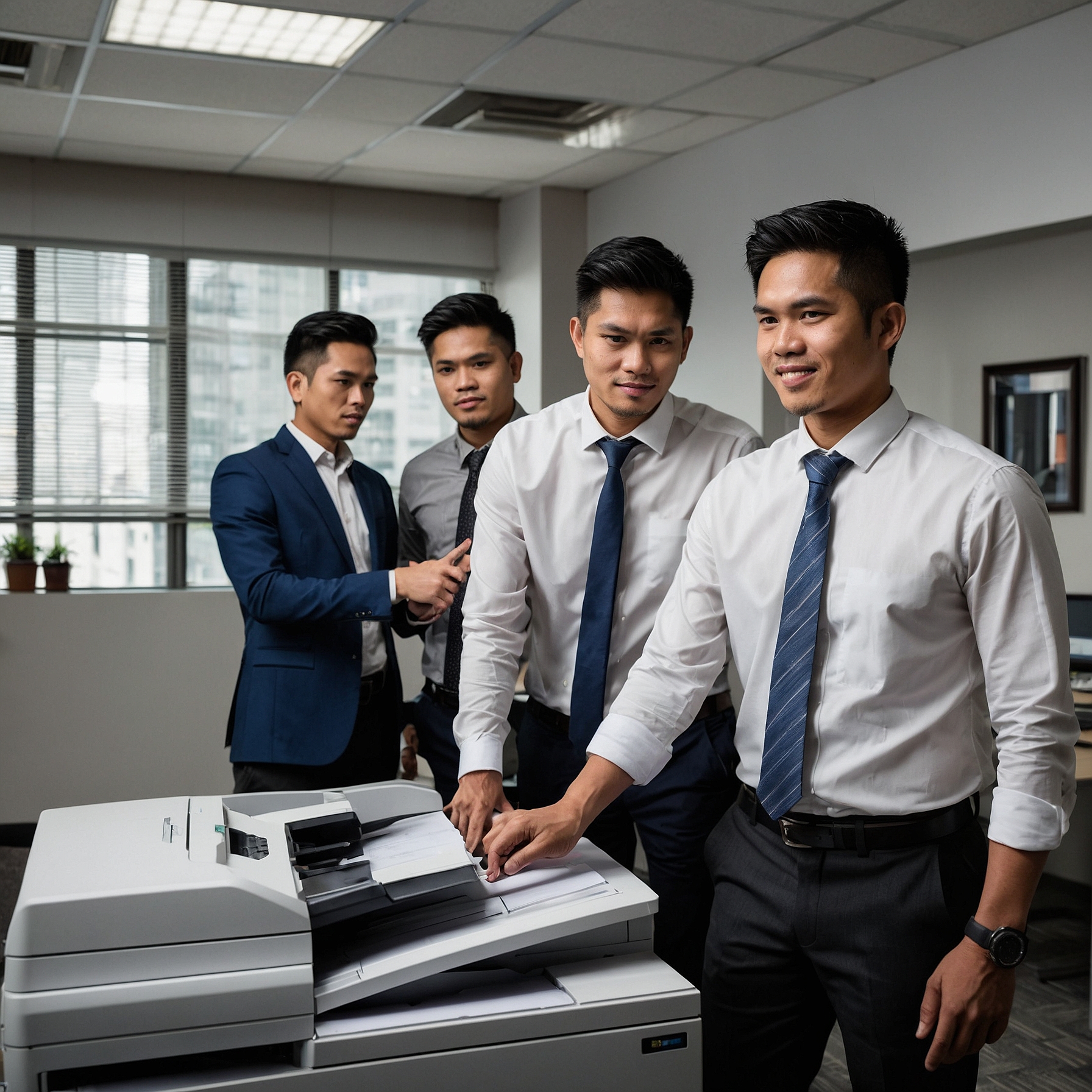
When renting a copier, understanding the liability and damage provisions is crucial for both businesses and individuals. These provisions are typically outlined in rental agreements and can have significant financial implications if not properly understood or managed. In this article, we will explore what liability and damage provisions are, why they matter, and how businesses can protect themselves from unexpected costs. Additionally, helpful insights into managing copier rental agreements effectively will be provided.
What Are Liability and Damage Provisions?
Liability and damage provisions in copier rental agreements are clauses that define the responsibilities of the renter when it comes to damage, loss, or misuse of the rented equipment. These provisions specify who is responsible for paying for repairs or replacement costs if the copier is damaged, stolen, or otherwise compromised during the rental period.
Typically, liability is divided into two categories:
Accidental Damage: Covers damage that occurs due to normal use but requires repair or replacement.
Negligent Damage: Applies when damage is caused by improper use or neglect, which may incur additional charges.
Damage provisions often detail:
Repair Costs: Who pays for repairs and maintenance during the rental term.
Replacement Costs: What happens if the copier is beyond repair or stolen.
Insurance Requirements: If renters are required to carry insurance to cover potential damages.
Why Liability and Damage Provisions Matter
Understanding these provisions is essential for several reasons:
1. Financial Protection
Having clear liability terms in place can prevent unexpected financial burdens. Without these provisions, a business may find itself liable for substantial repair or replacement costs.
2. Peace of Mind
Knowing that the copier rental agreement has specified terms for potential damages allows businesses to use the equipment without constant worry about minor accidents or wear and tear.
3. Avoiding Legal Disputes
Clearly defined liability terms help avoid potential legal disputes between the rental company and the renter, especially when there is a misunderstanding about damage responsibility.
Key Considerations in Liability and Damage Provisions
To ensure that your copier rental agreement is fair and clear, the following considerations should be kept in mind:
1. Understand the Coverage of Damage Provisions
Before signing any rental agreement, ensure that the scope of coverage for both accidental and negligent damage is understood. Some agreements may only cover certain types of damage, leaving the renter responsible for others.
It’s crucial to clarify what constitutes "normal wear and tear" versus damage that could incur additional costs. Generally, "wear and tear" refers to the natural decline in performance due to regular use, whereas "damage" results from misuse or accidents.
2. Check for Insurance Requirements
Some rental companies may require renters to carry insurance that covers any damage or loss to the equipment. If this is the case, make sure the insurance policy adequately covers the full replacement value of the copier, as well as any potential repairs. It may also be necessary to check whether the rental company provides insurance options or if independent coverage is required.
3. Consider Damage Waivers
Many copier rental companies offer damage waivers for an additional fee. A damage waiver can be a smart option if concerns about incurring significant repair or replacement costs arise. These waivers often cover accidental damage and provide additional peace of mind during the rental period. However, it is important to read the fine print to ensure the waiver covers all types of damage.
4. Review the Terms for Replacement Costs
In the unfortunate event that a copier is damaged beyond repair or stolen, understanding the replacement costs is essential. Some agreements may stipulate that the renter must cover the full cost of replacing the copier, while others may only require a portion of the replacement value.
Be sure to understand what the replacement cost includes and whether it matches the market value of the copier. In some cases, the rental company may charge higher fees than expected, so it’s always advisable to clarify the terms beforehand.
How to Protect Yourself from Liability and Damage Costs
1. Read the Agreement Carefully
Always read the rental agreement thoroughly and pay particular attention to the liability and damage provisions. If there is anything unclear, ask the rental company to clarify. This will help avoid misunderstandings later on.
2. Document the Copier’s Condition
When receiving the copier, document its condition in detail. Take photos or videos to capture any existing damage. This will serve as proof in case any damage is attributed to the renter during the rental period.
3. Maintain the Copier Properly
Follow the manufacturer’s guidelines for regular maintenance and use of the copier. Ensure that employees or staff are trained on how to use the machine properly to avoid accidental damage.
4. Obtain Additional Coverage If Necessary
If the rental agreement doesn’t provide sufficient insurance coverage, consider purchasing additional protection or insurance. This may be particularly important if renting a high-value copier or if there are concerns about the risks associated with heavy use.
Long-Term Implications and Best Practices for Liability and Damage Provisions
Liability and damage provisions are not just clauses in a rental agreement—they are foundational to the long-term success of a rental relationship. This section explores their broader implications, emerging trends, and best practices that businesses can adopt to optimize their copier rental experience.
The Long-Term Impact of Liability Provisions
Building Stronger Business Relationships
Transparent liability terms foster trust between renters and providers. By clearly defining responsibilities, both parties can focus on collaboration rather than disputes.
Example: A business working with copier rental insurance options ensures seamless operations even during unexpected incidents.
Promoting Accountability
Liability clauses encourage renters to handle equipment responsibly, leading to fewer damages and better equipment longevity.
Financial Stability
Properly structured provisions protect businesses from unexpected financial burdens, allowing them to allocate resources effectively.
Operational Efficiency
By clearly outlining maintenance responsibilities, provisions ensure equipment downtime is minimized, maintaining workflow continuity.
Future Trends in Liability and Damage Provisions
Digital Monitoring and Tracking
IoT-enabled devices can monitor equipment usage and condition in real time, reducing disputes over damages.
Example: Providers offering remote monitoring for office copiers can proactively address issues before they escalate.
Dynamic Contracts
Agreements that adapt to changes in usage patterns, such as scaling rental terms for businesses experiencing growth, will become more common.
Enhanced Sustainability Provisions
With growing emphasis on eco-friendly practices, liability clauses may include requirements for sustainable use and disposal of consumables.
AI-Driven Risk Assessment
Artificial intelligence will help providers create customized liability clauses based on renter profiles, usage history, and industry standards.
Integration with Insurance Providers
Agreements will increasingly include direct partnerships with insurance companies, simplifying compliance and coverage for renters.
Best Practices for Managing Liability and Damage Provisions
Regularly Review Agreements
Periodically assess your rental agreements to ensure the liability clauses remain relevant to your business operations.
Establish a Clear Communication Channel
Maintain open lines of communication with providers to address concerns promptly and avoid misunderstandings.
Invest in Training
Properly training staff to handle equipment reduces the likelihood of damages. Providers like Marga Enterprises often offer resources for training staff on copier usage.
Document Everything
Keep detailed records of inspections, maintenance logs, and any incidents involving the equipment. This documentation is invaluable during disputes.
Plan for the Unexpected
Include force majeure clauses and ensure insurance policies cover scenarios like theft, natural disasters, or sudden breakdowns.
Conclusion
Liability and damage provisions are an essential part of any copier rental agreement. By understanding the terms, clarifying insurance requirements, and taking steps to maintain the equipment properly, businesses can protect themselves from unexpected costs and potential disputes. Always read the fine print, and don't hesitate to ask the rental company for clarification on any provisions that seem unclear.
For more insights on how to manage copier rentals and understand rental costs, check out these helpful resources:
Factors Affecting Copier Rental Prices
Cost Comparison: Renting vs Buying a Copier
How to Budget for Copier Rentals
Saving Money on Copier Rentals
For more tips on optimizing copier rentals, check out Marga Enterprises and our YouTube channel.
By staying informed and proactive, businesses can navigate the complexities of copier rentals with confidence, ensuring a smooth and cost-effective experience.