

When it comes to acquiring a copier for your office or business, renting often proves to be a more flexible and cost-effective option compared to purchasing one outright. However, just like any other contract, copier rental agreements come with various terms and clauses that need to be thoroughly understood. In this post, we'll dive deep into the key clauses commonly found in copier rental agreements, what they mean for your business, and how you can use them to your advantage.
What is a Copier Rental Agreement?
A copier rental agreement is a contract between a business and a copier provider where the business rents a copier machine for a specific period. The terms of the contract usually include the rental duration, payment structure, maintenance provisions, and additional responsibilities of both parties. Understanding the specific clauses within this agreement is crucial for avoiding unexpected costs and ensuring a smooth rental experience.
1. Rental Duration Clause
The rental duration clause outlines the length of time that the copier is rented. Typically, rental agreements are structured as short-term or long-term leases. It's important to understand whether the agreement has a fixed term or is month-to-month. Some common options include:
-
Short-Term Rentals: These agreements last for a few months or a year. They are ideal for businesses with temporary copier needs or those who need flexibility.
-
Long-Term Rentals: These agreements are usually for a few years, and they tend to offer better pricing and terms. However, be aware that breaking a long-term contract early can lead to penalties.
If your business expects its copier needs to change over time, ensure that the agreement offers flexibility to upgrade or change the machine during the contract period without significant penalties.
2. Cost and Payment Structure Clause
This clause provides detailed information on the financial aspects of the agreement, including the total cost of renting the copier, payment frequency, and whether additional costs may apply.
Some things to consider here include:
-
Monthly Rental Fee: This is the fixed amount paid regularly for the use of the copier. It's important to check whether this fee includes maintenance costs, consumables like toner, or if they are separate.
-
Additional Charges: Be clear about potential extra costs such as delivery fees, installation charges, overage fees for excessive usage, or penalties for late payments.
-
Upfront Payments or Deposits: Some rental agreements may require an upfront deposit or down payment. Make sure to confirm the amount and the conditions for its return.
For more on factors that affect copier rental prices, check out this detailed cost comparison article.
3. Maintenance and Service Clause
This is one of the most important clauses in any copier rental agreement. It defines the maintenance responsibilities of both the renter and the rental company. Typically, maintenance will be handled by the rental company, but it’s important to know:
-
Who is responsible for repairs?: Ensure that the rental company covers all repairs unless the damage is due to misuse.
-
Scheduled Maintenance: Some contracts include periodic maintenance or service checks. It’s essential to understand how often these will occur and whether there is any downtime for the copier during these checks.
-
Consumables: Consumables such as paper and toner may be either included in the rental fee or billed separately. Make sure you understand what is included and what is not.
For more insights on how to budget for copier rentals, consider reading this helpful guide.
4. Usage Clause
The usage clause in a copier rental agreement defines how the copier can be used. This typically includes:
-
Allowed Print Volume: Many rental agreements specify a maximum number of copies you can make per month. If you exceed this limit, you may incur additional charges.
-
Usage Restrictions: Some agreements restrict how the copier can be used—for example, prohibiting certain types of paper or media.
It’s essential to understand these limits and track your usage to avoid unexpected fees. Some rental companies offer the ability to adjust the terms based on changing needs. If you anticipate needing higher print volumes, ensure your contract allows for adjustments.
5. Termination and Renewal Clause
This clause explains how you can terminate or renew the rental agreement once it’s close to ending. Key points to look out for include:
-
Early Termination Penalties: If you decide to end the agreement before the contract term ends, you may face early termination fees. Understanding the conditions of this clause can save you from unwanted penalties.
-
Renewal Terms: Some agreements automatically renew at the end of the contract period unless you notify the rental company of your intention to cancel. Be sure to understand how to opt-out of an automatic renewal.
For a deeper look into the costs involved with copier rentals, check out this informative cost analysis guide.
6. Liability and Insurance Clause
The liability and insurance clause outlines the renter's responsibility for the copier. This includes:
-
Accidental Damage: In case of accidental damage, some rental agreements may hold you liable for repairs or replacements, while others may include insurance.
-
Insurance Coverage: Make sure the copier is covered by insurance for damage, theft, or breakdowns. Clarify whether the insurance is provided by the rental company or if you need to obtain separate coverage.
7. Legal and Regulatory Compliance Clause
This clause ensures that both parties adhere to the relevant laws and regulations. It typically covers:
-
Compliance with Local Laws: The rental agreement should be in compliance with local business regulations, ensuring that both parties follow industry standards and avoid legal complications.
-
Dispute Resolution: If any issues arise during the rental period, the agreement may specify how disputes are to be handled—whether through arbitration, mediation, or legal action.
Conclusion
A well-understood copier rental agreement can save you from unexpected costs and complications. By paying close attention to the key clauses such as rental duration, cost and payment structure, maintenance responsibilities, and liability coverage, you can ensure that your rental experience is both cost-effective and efficient. Always read the fine print, and don’t hesitate to ask questions if something is unclear. If you’d like more information on cost-saving strategies for copier rentals, check out this guide on analyzing lease terms.
For more resources and updates on copier rentals, be sure to visit our home page and stay connected with us through YouTube.
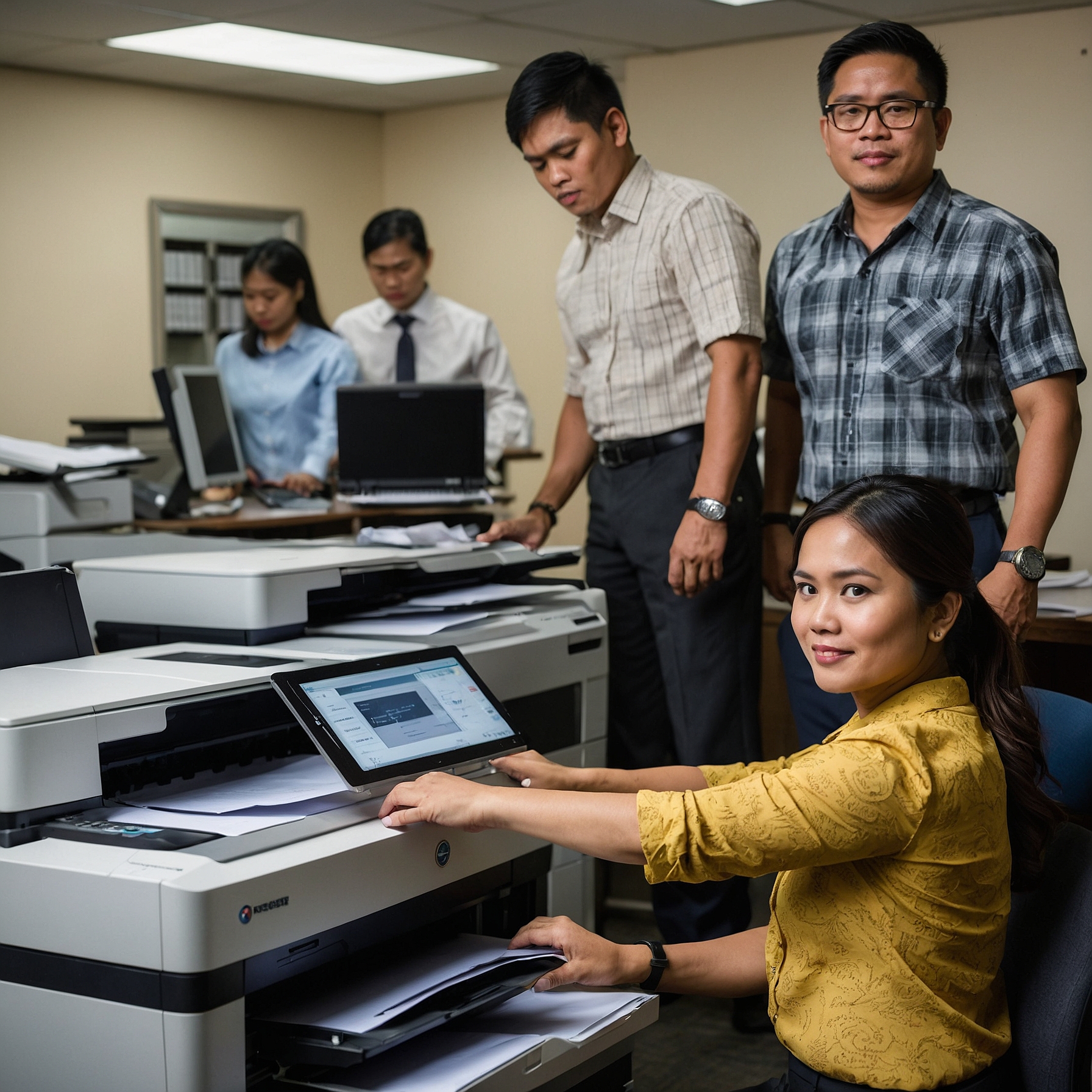
Emerging Trends and Avoiding Pitfalls in Copier Rental Agreements
As the copier rental industry evolves, emerging trends offer businesses opportunities to gain better value and efficiency from their agreements. However, understanding these trends is just as important as avoiding common pitfalls that could lead to unnecessary expenses or operational disruptions. This final section focuses on the latest developments in copier rental agreements and how businesses can sidestep potential challenges.
Emerging Trends in Copier Rental Agreements
1. Data Security Enhancements
With the increasing reliance on copiers for sensitive documents, providers now include advanced security measures in agreements. For example, contracts for high-volume copiers may specify encryption protocols and automated data wiping to ensure that confidential data is safely managed and erased before returning or recycling machines.
2. Sustainability-Focused Agreements
Providers are incorporating eco-friendly practices into their services, appealing to businesses with sustainability goals. Agreements can now include provisions for energy-efficient copiers and consumable recycling, aligning with businesses' broader sustainability practices. For instance, you can negotiate for energy-efficient models that minimize environmental impact while saving costs on power consumption.
3. Flexible Usage Terms
Businesses with fluctuating demands can now negotiate dynamic terms that adjust costs based on usage. Seasonal businesses, for example, might negotiate terms that allow for lower rates during off-peak periods, helping to reduce expenses when copier usage is minimal.
4. Customizable Equipment Options
Agreements now offer more flexibility in selecting features tailored to specific needs. Businesses can negotiate for custom color profiles for branding or specialized printing tasks, ensuring that the copier meets specific business requirements and delivers high-quality results.
5. Technology-Driven Monitoring and Support
Providers are offering remote monitoring and diagnostics, ensuring faster resolution of issues. For instance, agreements for advanced copier technology can include clauses for automated troubleshooting and maintenance alerts, reducing downtime and enhancing productivity.
Avoiding Common Pitfalls
1. Overlooking Hidden Costs
One of the most common pitfalls is the inclusion of undisclosed fees, such as administrative charges or penalties for exceeding usage limits. To avoid this, always review contracts thoroughly and request a detailed cost breakdown to ensure transparency.
2. Ignoring Termination Clauses
Some agreements impose hefty penalties for early termination, locking businesses into unfavorable terms. To avoid this, negotiate for fair termination options that include reasonable notice periods. This flexibility will give you room to adjust if your needs change during the rental period.
3. Neglecting Performance Metrics
Without clear Service Level Agreements (SLAs), businesses may experience frequent downtime or poor service quality. To ensure reliable performance, include performance guarantees that define minimum uptime and response times in your rental agreement.
4. Failing to Plan for Growth
Many businesses make the mistake of entering into static agreements that don’t account for future scalability or changing needs. Negotiate for clauses that allow for equipment additions or upgrades as your business expands, ensuring flexibility for growth.
5. Accepting Standard Agreements Without Customization
Generic rental agreements may not align with your specific needs. Customize clauses to match your business’s unique requirements, such as tailored maintenance terms or equipment features, to ensure a better fit.
Real-World Examples
Scenario 1: Avoiding Hidden Costs with Transparent Agreements
Situation: A nonprofit signed a copier rental agreement but later discovered hidden fees for exceeding usage limits.
Solution: During renewal, they requested detailed cost breakdowns and renegotiated terms to include higher usage thresholds.
Outcome: The nonprofit saved 20% annually by eliminating surprise charges.
Scenario 2: Leveraging Technology for Better Service
Situation: A logistics company faced frequent delays due to copier malfunctions.
Solution: They negotiated for remote monitoring services to identify and resolve issues quickly.
Outcome: Downtime decreased by 35%, improving overall efficiency.
Scenario 3: Scaling Up with Flexibility
Situation: A co-working space required additional copiers as its client base grew.
Solution: The rental agreement included scalability clauses, allowing the space to add more copiers without renegotiating.
Outcome: The co-working space maintained seamless operations while meeting increased demand.
FAQs
Q: How do I avoid hidden fees in copier rental agreements?
A: Request a full breakdown of costs and ensure all terms are clearly outlined in the contract to avoid surprises.
Q: Are performance guarantees negotiable?
A: Yes, you can negotiate SLAs that define specific performance metrics, such as uptime and response times, to ensure reliable service.
Q: What’s the benefit of including scalability clauses in my agreement?
A: Scalability clauses allow you to adjust your equipment fleet as your business needs evolve, ensuring cost-effectiveness and flexibility.
Q: Can I negotiate for better support terms in the agreement?
A: Absolutely. Many providers offer customized maintenance packages, including 24/7 support and priority repairs.
Q: How do I ensure my agreement aligns with sustainability goals?
A: Negotiate for eco-friendly provisions, such as energy-efficient equipment and recycling programs, to support your sustainability initiatives.
Q: What’s the role of confidentiality clauses in copier rental agreements?
A: Confidentiality clauses protect sensitive information processed by the copier, ensuring compliance with data security standards.
Q: Can rental agreements include clauses for future technology upgrades?
A: Yes, many providers offer upgrade provisions, allowing you to access the latest copier models during your rental term.
Conclusion
Understanding the emerging trends and potential pitfalls in copier rental agreements can make all the difference when securing the best deal for your business. By leveraging new opportunities such as customizable options, sustainable agreements, and technology-driven support, you can improve your copier rental experience. At the same time, carefully considering common pitfalls like hidden fees, termination clauses, and performance metrics will help ensure that your agreement is both cost-effective and aligned with your business needs.
For more information on how to get the most out of your copier rental agreement, visit our home page and explore our YouTube channel.