

Renting equipment or property often comes with a set of terms and conditions that can be challenging to understand, particularly when it comes to insurance. Whether you're leasing copiers, printers, or any other rental equipment, it's important to know what insurance terms apply to ensure you're fully covered in case of damage, loss, or other incidents. In this post, we’ll break down the essential insurance terms in rentals and how they affect your rental agreements.
What is Insurance in Rentals?
Insurance in rentals is a safeguard against potential damage, theft, or accidents involving the rented property or equipment. When you sign a rental agreement, especially for high-value items like copiers, printers, or machinery, you’ll likely be required to carry certain types of insurance. This protects both the renter (you) and the rental company in the event of unforeseen circumstances.
While many people understand the basic concept of insurance, the terms involved in rental agreements can sometimes be more specific, and it's crucial to know exactly what they mean.
Common Insurance Terms in Rental Agreements
Here are some of the most common insurance terms you'll encounter in rental agreements:
1. Liability Insurance
Liability insurance protects you from financial responsibility in case the rented equipment causes harm to a third party or damages property. For example, if a rented copier malfunctions and damages office property, liability insurance would cover the cost of repair or replacement.
What’s covered? Typically, this will cover injuries or damages caused by the rented item to others or their property.
Why it’s important? Without liability insurance, you might be held responsible for costly repairs or legal fees arising from an accident involving the rental.
For more information on understanding copier rental costs, refer to this guide on analyzing lease terms for cost efficiency.
2. Loss and Damage Waiver (LDW)
An LDW is an optional coverage that waives your responsibility for damage to the rented equipment. In the case of a loss or damage, the rental company will typically cover the repair or replacement costs, and you will not be charged for repairs or loss.
What’s covered? Loss, theft, or physical damage to the equipment, depending on the agreement.
Why it’s important? If your rented copier or other equipment is damaged, this waiver can save you from costly repairs or replacements.
You can also learn about the cost comparison of renting vs. buying equipment in this detailed article.
3. Replacement Cost Coverage
Replacement cost coverage goes beyond the standard insurance policy by ensuring that the full value of the rented equipment is covered, including depreciation. This ensures that if the equipment is lost or severely damaged, the full replacement cost will be covered.
What’s covered? Full replacement value of the item, not just its current market value.
Why it’s important? Without this coverage, you may be left paying out of pocket for the depreciated value of the equipment instead of the full cost of replacement.
If you are budgeting for copier rentals, check out our guide on how to budget for copier rentals.
4. Theft Insurance
Theft insurance covers you in the event that the rented equipment is stolen. This coverage often applies whether or not the theft occurs on your property, as long as the theft was not caused by negligence.
What’s covered? Theft or unauthorized removal of the rental equipment.
Why it’s important? Theft can happen unexpectedly, and having theft insurance in place ensures you're not stuck with the financial burden of replacing the stolen item.
Check out more about cost-saving strategies in copier rentals with this helpful article on saving money.
5. Accidental Damage Coverage
Accidental damage coverage protects you if the rented equipment is accidentally damaged while in your possession. This includes damages caused by human error or other unintended accidents.
What’s covered? Physical damage resulting from mishandling or accidents.
Why it’s important? Many rentals involve the potential for accidents, especially with delicate equipment. This coverage ensures you're not liable for costs resulting from accidents beyond your control.
6. Personal Injury Insurance
Personal injury insurance covers medical expenses if someone is injured while using the rented equipment. This is particularly relevant in rentals involving machinery or tools that could pose a risk to users.
What’s covered? Medical costs and legal fees related to injuries caused by using the rented equipment.
Why it’s important? This coverage ensures that any accident that leads to personal injury is handled swiftly, without financial burden.
How Insurance Terms Impact Your Rental Agreement
When you sign a rental agreement, understanding the insurance terms is crucial to avoid unexpected financial liabilities. Here's how these terms typically affect your rental experience:
Cost of Insurance: Insurance coverage usually adds a fee to your monthly rental charges. Be sure to check the cost of the insurance when comparing different rental options.
Required Coverage: Some rental agreements may require you to carry certain types of insurance, while others may offer optional coverage for a fee.
Exclusions: Always read the fine print. Some agreements exclude certain types of damage, theft, or accidents, and it’s important to know what is and isn’t covered.
For more tips on getting the best value from your rental, consider reading this guide on lease terms.
Conclusion
Understanding insurance terms in rental agreements is crucial for protecting both your investment and the rental company’s assets. Whether you're renting a copier, printer, or other office equipment, make sure to read the fine print of your rental agreement and select the coverage options that best suit your needs. Insurance terms such as liability insurance, loss and damage waivers, replacement cost coverage, and theft insurance all play an important role in ensuring your rental experience is secure and stress-free.
If you're considering renting office equipment, be sure to take advantage of available resources, like our home page, to explore different rental options and make the most informed decision.
For more detailed guidance, check out our YouTube channel for more insights and updates.
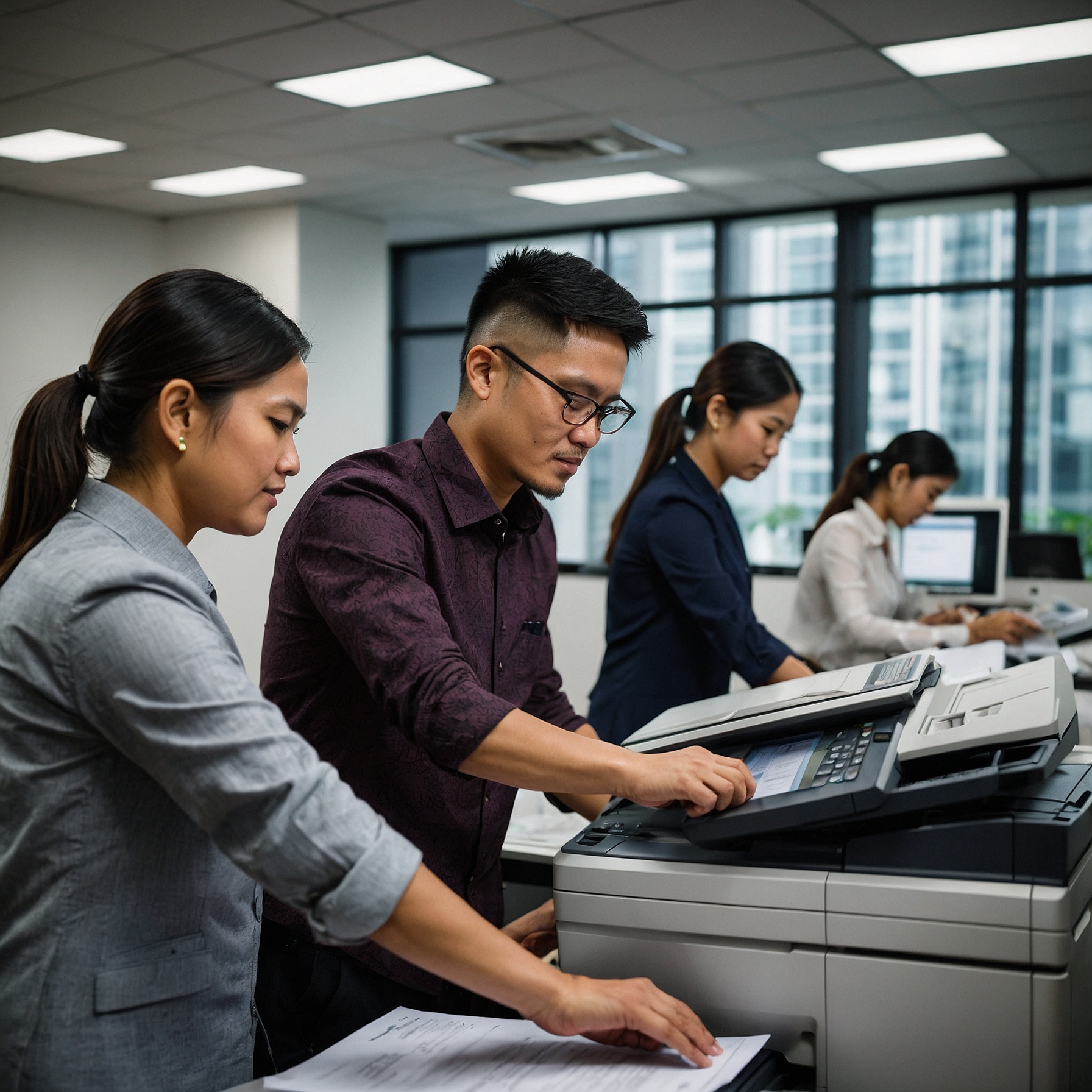
Understanding Insurance Terms in Rentals: A Guide to Navigating the Fine Print
Renting equipment or property often comes with a set of terms and conditions that can be challenging to understand, particularly when it comes to insurance. Whether you're leasing copiers, printers, or any other rental equipment, it's important to know what insurance terms apply to ensure you're fully covered in case of damage, loss, or other incidents. In this post, we’ll break down the essential insurance terms in rentals and how they affect your rental agreements.
What is Insurance in Rentals?
Insurance in rentals is a safeguard against potential damage, theft, or accidents involving the rented property or equipment. When you sign a rental agreement, especially for high-value items like copiers, printers, or machinery, you’ll likely be required to carry certain types of insurance. This protects both the renter (you) and the rental company in the event of unforeseen circumstances.
While many people understand the basic concept of insurance, the terms involved in rental agreements can sometimes be more specific, and it's crucial to know exactly what they mean.
Common Insurance Terms in Rental Agreements
Here are some of the most common insurance terms you'll encounter in rental agreements:
1. Liability Insurance
Liability insurance protects you from financial responsibility in case the rented equipment causes harm to a third party or damages property. For example, if a rented copier malfunctions and damages office property, liability insurance would cover the cost of repair or replacement.
What’s covered? Typically, this will cover injuries or damages caused by the rented item to others or their property.
Why it’s important? Without liability insurance, you might be held responsible for costly repairs or legal fees arising from an accident involving the rental.
For more information on understanding copier rental costs, refer to this guide on analyzing lease terms for cost efficiency.
2. Loss and Damage Waiver (LDW)
An LDW is an optional coverage that waives your responsibility for damage to the rented equipment. In the case of a loss or damage, the rental company will typically cover the repair or replacement costs, and you will not be charged for repairs or loss.
What’s covered? Loss, theft, or physical damage to the equipment, depending on the agreement.
Why it’s important? If your rented copier or other equipment is damaged, this waiver can save you from costly repairs or replacements.
You can also learn about the cost comparison of renting vs. buying equipment in this detailed article.
3. Replacement Cost Coverage
Replacement cost coverage goes beyond the standard insurance policy by ensuring that the full value of the rented equipment is covered, including depreciation. This ensures that if the equipment is lost or severely damaged, the full replacement cost will be covered.
What’s covered? Full replacement value of the item, not just its current market value.
Why it’s important? Without this coverage, you may be left paying out of pocket for the depreciated value of the equipment instead of the full cost of replacement.
If you are budgeting for copier rentals, check out our guide on how to budget for copier rentals.
4. Theft Insurance
Theft insurance covers you in the event that the rented equipment is stolen. This coverage often applies whether or not the theft occurs on your property, as long as the theft was not caused by negligence.
What’s covered? Theft or unauthorized removal of the rental equipment.
Why it’s important? Theft can happen unexpectedly, and having theft insurance in place ensures you're not stuck with the financial burden of replacing the stolen item.
Check out more about cost-saving strategies in copier rentals with this helpful article on saving money.
5. Accidental Damage Coverage
Accidental damage coverage protects you if the rented equipment is accidentally damaged while in your possession. This includes damages caused by human error or other unintended accidents.
What’s covered? Physical damage resulting from mishandling or accidents.
Why it’s important? Many rentals involve the potential for accidents, especially with delicate equipment. This coverage ensures you're not liable for costs resulting from accidents beyond your control.
6. Personal Injury Insurance
Personal injury insurance covers medical expenses if someone is injured while using the rented equipment. This is particularly relevant in rentals involving machinery or tools that could pose a risk to users.
What’s covered? Medical costs and legal fees related to injuries caused by using the rented equipment.
Why it’s important? This coverage ensures that any accident that leads to personal injury is handled swiftly, without financial burden.
How Insurance Terms Impact Your Rental Agreement
When you sign a rental agreement, understanding the insurance terms is crucial to avoid unexpected financial liabilities. Here's how these terms typically affect your rental experience:
Cost of Insurance: Insurance coverage usually adds a fee to your monthly rental charges. Be sure to check the cost of the insurance when comparing different rental options.
Required Coverage: Some rental agreements may require you to carry certain types of insurance, while others may offer optional coverage for a fee.
Exclusions: Always read the fine print. Some agreements exclude certain types of damage, theft, or accidents, and it’s important to know what is and isn’t covered.
For more tips on getting the best value from your rental, consider reading this guide on lease terms.
Conclusion
Understanding insurance terms in rental agreements is crucial for protecting both your investment and the rental company’s assets. Whether you're renting a copier, printer, or other office equipment, make sure to read the fine print of your rental agreement and select the coverage options that best suit your needs. Insurance terms such as liability insurance, loss and damage waivers, replacement cost coverage, and theft insurance all play an important role in ensuring your rental experience is secure and stress-free.
If you're considering renting office equipment, be sure to take advantage of available resources, like our home page, to explore different rental options and make the most informed decision.
For more detailed guidance, check out our YouTube channel for more insights and updates.