
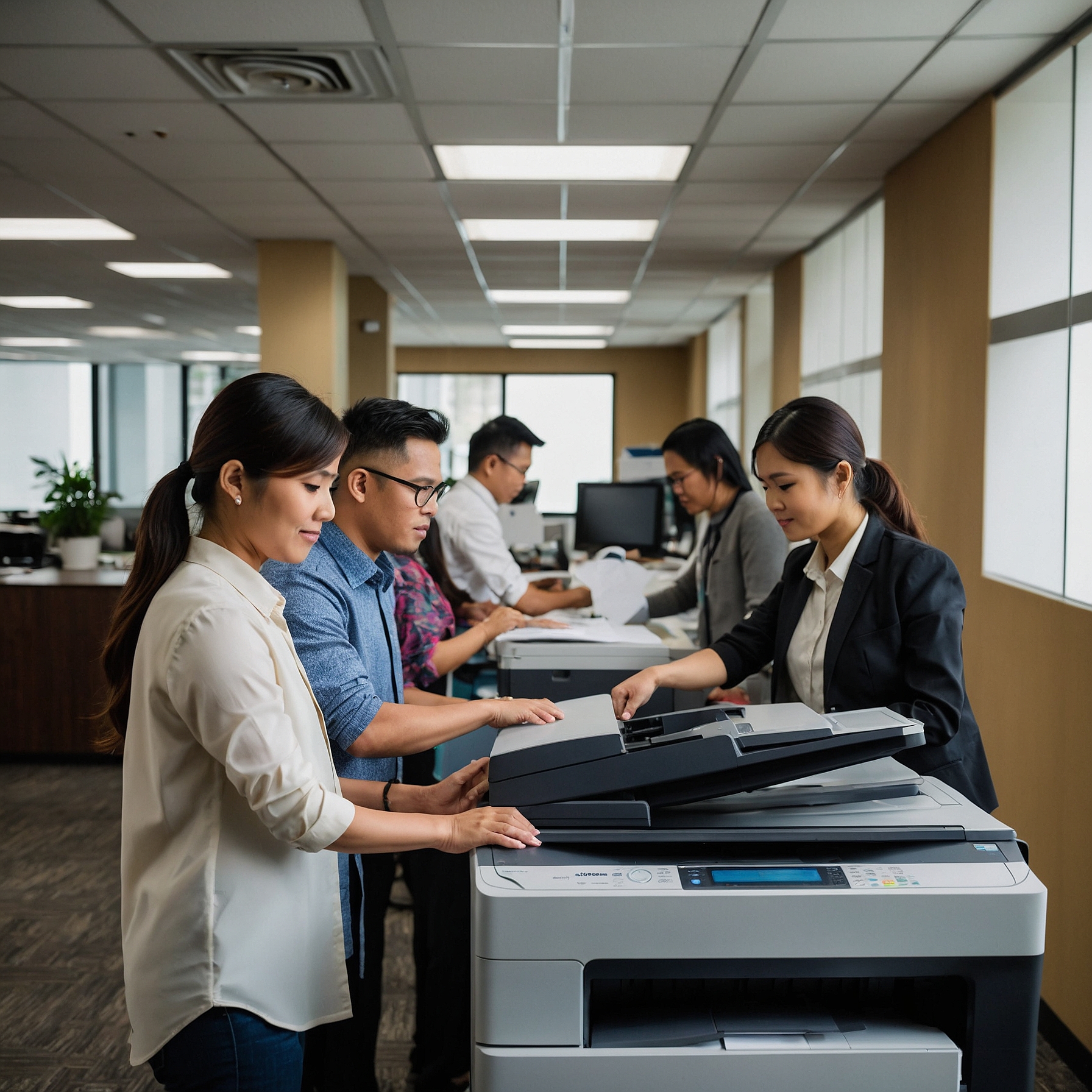
In today's complex and interconnected world, disputes are an inevitable part of both personal and business relationships. Whether it’s a disagreement with a supplier, a misunderstanding with a colleague, or a legal conflict, managing disputes efficiently is critical to maintaining smooth operations. This is where dispute resolution mechanisms come into play.
Dispute resolution mechanisms refer to methods and processes used to resolve conflicts, whether formal or informal. These mechanisms help avoid the need for litigation by offering alternative solutions that are more collaborative, cost-effective, and time-saving. This article explores the various dispute resolution mechanisms, their importance, and how they can be implemented to resolve conflicts successfully.
What Are Dispute Resolution Mechanisms?
At their core, dispute resolution mechanisms are tools that individuals or organizations use to handle disagreements. These mechanisms can be used in a variety of settings, from business transactions to personal matters, and are essential for preventing disputes from escalating into lengthy, expensive court cases.
Types of Dispute Resolution Mechanisms
There are several common dispute resolution mechanisms, each suited to different types of conflicts. These include:
1. Negotiation
Negotiation is one of the most straightforward and informal methods of resolving disputes. In a negotiation, both parties communicate directly with one another to come to a mutually beneficial agreement. This process can be done independently or with the help of a mediator.
Advantages: It’s cost-effective and allows for flexibility in finding solutions.
Disadvantages: It may not be effective if the parties are unwilling to compromise.
For example, in a copier rental agreement, a business might negotiate better terms with the service provider rather than involving legal action.
Read more about factors affecting copier rental prices.
2. Mediation
Mediation involves a neutral third party, called a mediator, who helps both parties find common ground. Unlike a judge, the mediator does not make decisions but facilitates the conversation to ensure both sides are heard and that a fair compromise is reached.
Advantages: Mediation is often faster than court proceedings, and the mediator helps ensure that both parties understand each other's perspectives.
Disadvantages: It may not always result in a resolution if one party is unwilling to negotiate.
An example of mediation could be in the case of a dispute over copier rental terms. If a client feels they are paying too much for the service, a mediator could help facilitate a solution that benefits both parties.
Learn more about how to budget for copier rentals.
3. Arbitration
Arbitration is a more formal process where an arbitrator listens to both parties and makes a binding decision. This process is legally recognized and often used in commercial disputes. Arbitration can be less formal than a court trial but still offers a definitive resolution.
Advantages: It’s legally binding and faster than litigation.
Disadvantages: It can still be expensive, and the parties may have limited recourse if they disagree with the arbitrator’s decision.
A good example of arbitration might be in the case of a commercial dispute where a business disputes the costs associated with a copier lease. Instead of going to court, both parties may agree to settle the matter via arbitration.
Explore cost comparison in renting vs. buying a copier.
4. Litigation
Litigation is the most formal and adversarial method of dispute resolution. It involves a lawsuit in court, where a judge or jury makes a final decision regarding the matter. While litigation can lead to a definitive resolution, it is often time-consuming, expensive, and stressful for all involved.
Advantages: The decision is legally binding and enforceable.
Disadvantages: It can be very costly and may damage relationships between parties.
Litigation is typically the last resort when other methods, such as negotiation, mediation, or arbitration, fail to resolve the conflict.
Learn more about analyzing copier rental lease terms.
Why Are Dispute Resolution Mechanisms Important?
Dispute resolution mechanisms are vital for a number of reasons:
Cost Efficiency: They can help avoid the high costs associated with litigation, including attorney fees, court fees, and lost time.
Time-Saving: Many dispute resolution processes are faster than traditional court cases, allowing both parties to move forward quickly.
Preserving Relationships: Especially in business, maintaining a positive relationship with other parties is essential. Dispute resolution mechanisms like negotiation and mediation allow for a resolution without damaging professional relationships.
Confidentiality: Many alternative dispute resolution methods, like arbitration, offer confidentiality, ensuring that sensitive information remains private.
Control Over the Outcome: Parties involved in negotiation and mediation have more control over the outcome compared to litigation, where a judge or jury makes the final decision.
Best Practices for Implementing Dispute Resolution Mechanisms
To successfully implement dispute resolution mechanisms, consider the following best practices:
1. Clear Communication
Open and honest communication is crucial to resolving conflicts. All parties should express their views and concerns clearly and respectfully. Active listening is just as important in understanding the other party's position.
2. Establishing a Written Agreement
Whether using negotiation, mediation, or arbitration, it’s important to have a written agreement outlining the dispute resolution process. This helps set clear expectations for all parties involved and ensures that everyone is on the same page.
3. Choosing the Right Mechanism
Not all dispute resolution mechanisms are suitable for every situation. It's important to consider the nature of the conflict, the relationship between the parties, and the desired outcome when choosing the best mechanism.
4. Timely Action
Addressing conflicts early on before they escalate can lead to quicker and more efficient resolutions. Waiting too long to act can cause emotions to escalate and may make it harder to resolve the issue amicably.
Conclusion
In any context, whether personal, professional, or legal, dispute resolution mechanisms offer an effective way to resolve conflicts in a constructive and efficient manner. By understanding the different methods—negotiation, mediation, arbitration, and litigation—individuals and organizations can choose the best approach for their specific needs.
For businesses, having a solid dispute resolution strategy can help minimize the impact of conflicts on operations and relationships. Ensuring that all involved parties understand and agree to the terms of the dispute resolution process is key to achieving a positive outcome.
If you want to learn more about how to handle challenges and disputes effectively, check out this informative video: Marga Enterprises YouTube Channel.
For more on the subject, feel free to visit our homepage at Marga Enterprises.
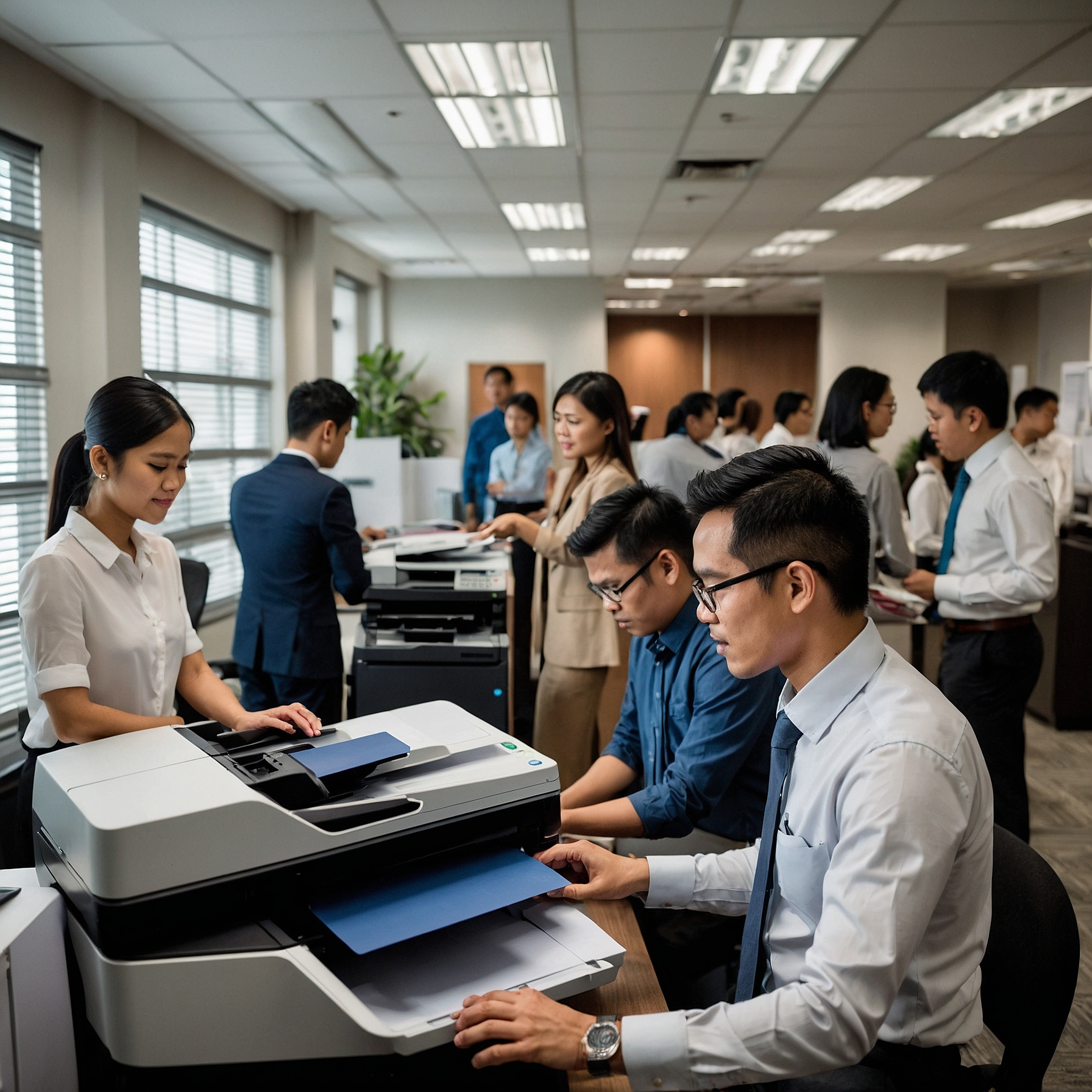
How Dispute Resolution Mechanisms Strengthen Business Operations
Dispute resolution mechanisms are more than just legal safeguards; they’re an integral part of fostering trust, accountability, and operational efficiency in copier rental agreements. In this part, we’ll dive deeper into how these mechanisms enhance business operations, ensure smoother collaborations, and protect both parties from unnecessary risks.
Enhancing Collaboration Between Renters and Providers
Establishing Trust Through Transparency
Including clear dispute resolution mechanisms in contracts demonstrates a provider’s commitment to fairness. It assures renters that their concerns will be addressed promptly and effectively.- For example, providers like Marga Enterprises often emphasize feedback and improvement for copier rentals as part of their commitment to continuous improvement.
Minimizing Communication Breakdowns
Disputes often arise from miscommunication or unclear expectations. A structured mechanism provides a communication pathway to resolve misunderstandings and maintain positive relationships.Facilitating Mutually Beneficial Outcomes
Collaborative approaches like negotiation and mediation encourage solutions that benefit both parties, avoiding a winner-takes-all scenario.
Reducing Financial Risks with Effective Mechanisms
Avoiding Prolonged Legal Battles
Litigation is costly and time-consuming. Mechanisms like arbitration save both time and money, allowing businesses to focus on their core operations.Mitigating Penalty Disputes
Many copier rental agreements include penalties for overuse, late returns, or maintenance issues. Dispute resolution mechanisms clarify these terms and ensure fair enforcement.- For instance, renters disputing rental return procedures for color copiers can rely on mediation to resolve conflicts without incurring additional costs.
Encouraging Compliance
Providers are incentivized to adhere to service guarantees when disputes can lead to binding arbitration or penalties. This compliance benefits renters by ensuring consistent service quality.
Addressing Common Disputes in Copier Rentals
Service Quality Issues
Disputes over unmet uptime guarantees or print quality inconsistencies can impact business operations. Performance guarantees tied to advanced technology in high-volume copiers often include resolution pathways to address these challenges.Fee Discrepancies
Disagreements over additional charges, such as maintenance fees or overage costs, are common. Mechanisms like negotiation and arbitration provide clarity and fairness in these situations.Contractual Obligations
Vague or misunderstood contract terms, such as choosing copiers for different event sizes, can lead to disputes. Clear resolution processes help define and enforce these obligations.
Real-Life Applications of Dispute Resolution
Preventing Downtime Disputes
Businesses reliant on high-volume printing cannot afford extended downtime. Dispute resolution mechanisms tied to high-volume copier features ensure timely maintenance and repairs.Handling Seasonal Rental Disputes
Event-based businesses often face challenges with short-term rentals. Mechanisms for addressing seasonal demand for copier rental disputes can clarify terms for peak and off-peak usage.Resolving Equipment Return Conflicts
End-of-contract disputes regarding the condition or timely return of equipment are common. A structured mechanism can simplify these processes and ensure compliance with return policies.
Future Trends in Dispute Resolution
Technology Integration
Digital platforms are streamlining dispute resolution, allowing renters and providers to resolve issues quickly through online mediation or arbitration tools.Proactive Prevention
Providers increasingly use predictive analytics to address potential conflicts before they escalate. For instance, feedback and surveys on event copier performance help identify service gaps early.Sustainability-Driven Disputes
As environmental concerns grow, disputes over eco-friendly practices are becoming more common. Resolution mechanisms now often include clauses addressing sustainability commitments.
FAQs
Q: What are the benefits of arbitration over litigation?
A: Arbitration is faster, less expensive, and ensures privacy, while litigation is more time-consuming and costly.
Q: Can disputes over fees be resolved without escalation?
A: Yes, most fee-related disputes can be resolved through direct negotiation or mediation.
Q: Are dispute resolution mechanisms legally required in rental agreements?
A: While not mandatory, including them protects both parties and ensures smoother conflict resolution.
Q: How do providers ensure compliance with resolution processes?
A: Providers outline clear steps in contracts and often include penalties for non-compliance.
Q: What happens if a dispute cannot be resolved through mediation?
A: If mediation fails, the next step is usually arbitration or litigation, depending on the contract terms.
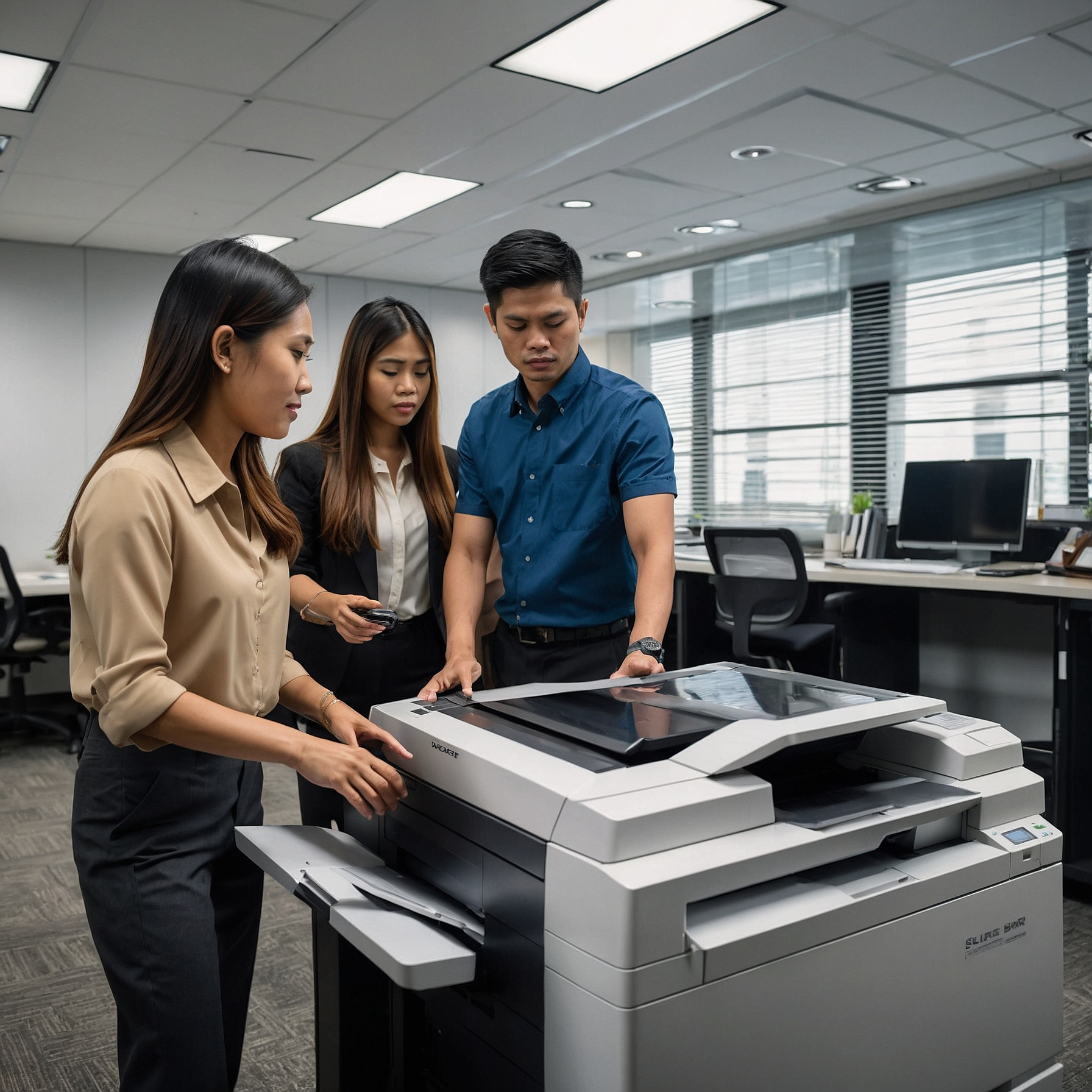
Implementing Effective Dispute Resolution Mechanisms
A well-crafted dispute resolution mechanism is not just a safeguard but a proactive tool for fostering trust, transparency, and efficiency in business relationships. In this final part, we’ll discuss practical steps to implement these mechanisms, address potential pitfalls, and explore how they align with the evolving needs of modern businesses.
Steps to Implementing Effective Dispute Resolution
Clearly Define Terms in Contracts
Ambiguity is a major source of disputes. Ensure contracts include detailed explanations of:
Service expectations, such as uptime percentages or print quality.
Fee structures, including cost analysis of high-volume copier rentals and penalties for overages.
Responsibilities of both parties regarding maintenance and return procedures.
Incorporate Multiple Resolution Pathways
A comprehensive mechanism includes negotiation, mediation, and arbitration, allowing flexibility depending on the nature of the dispute.
Set Realistic Timelines
Provide specific deadlines for each step in the resolution process to avoid unnecessary delays.
Leverage Technology
Digital platforms can streamline dispute resolution by facilitating real-time communication, sharing evidence, and tracking progress. Providers offering advanced technology in high-volume copiers often integrate these tools for seamless service.
Train Employees on Dispute Processes
Equip your team with knowledge about the dispute resolution mechanisms in your contracts. This ensures quick action when issues arise.
Common Pitfalls and How to Avoid Them
Ignoring Small Issues
Minor disagreements can escalate if left unaddressed. Regularly review feedback, such as feedback and improvement for copier rentals, to catch potential problems early.
Lack of Documentation
Always keep records of correspondence, invoices, and service reports. This documentation is crucial for resolving disputes effectively.
Overlooking Customization Needs
Generic dispute clauses may not suit all business needs. Customize your resolution process to address specific concerns, such as choosing copiers for different event sizes or high-volume printing requirements.
Failing to Update Agreements
Businesses evolve, and so do their needs. Regularly update contracts to reflect changes in technology, service expectations, or usage patterns.
Long-Term Benefits of Robust Dispute Resolution Mechanisms
Strengthened Provider Relationships
Clear and fair resolution processes build trust, leading to long-term partnerships and better service.
Enhanced Operational Efficiency
Resolving disputes quickly minimizes disruptions, keeping your business running smoothly.
Increased Legal Protection
Structured mechanisms protect both parties from costly legal battles, ensuring compliance with agreed terms.
Improved Customer Confidence
Businesses that resolve disputes efficiently demonstrate professionalism, boosting their reputation with clients and partners.
Evolving Trends in Dispute Resolution
Eco-Friendly Clauses
As sustainability becomes a priority, contracts increasingly include resolution clauses addressing environmental concerns, such as waste management or energy efficiency in sustainable practices in high-volume printing.
Global Standards
With many businesses operating internationally, dispute resolution mechanisms now often align with global legal frameworks to simplify cross-border issues.
Real-Time Monitoring and Alerts
Advanced copier technology allows real-time monitoring, enabling providers to preemptively address issues before they escalate into disputes.
The Role of Providers in Supporting Dispute Resolution
Trusted providers like Marga Enterprises play a pivotal role in ensuring disputes are resolved effectively. By offering transparent contracts, responsive customer service, and robust resolution mechanisms, they foster positive renter-provider relationships.
Providers who emphasize feedback and surveys on event copier performance continuously refine their services to prevent disputes.
Clear procedures for rental return procedures for color copiers reduce the likelihood of conflicts at the end of agreements.
FAQs
Q: How do I ensure my business benefits from dispute resolution mechanisms?
A: Customize the process to fit your specific needs, clearly outline terms in your contracts, and regularly review their effectiveness.
Q: What happens if a provider refuses to comply with arbitration?
A: Arbitration decisions are binding. If the provider doesn’t comply, legal enforcement may be necessary.
Q: Can disputes over technology upgrades be resolved efficiently?
A: Yes, mechanisms addressing technology upgrades ensure both parties align on upgrade expectations.
Q: How do dispute resolution mechanisms support sustainability goals?
A: Contracts can include clauses ensuring eco-friendly practices, resolving disputes related to environmental commitments.
Q: Are dispute resolution clauses standard in copier rental agreements?
A: While not always standard, reputable providers like Marga Enterprises include these clauses to ensure client satisfaction.
Conclusion
In conclusion, dispute resolution mechanisms are essential for businesses seeking to maintain healthy relationships with clients, suppliers, and partners. By effectively implementing these mechanisms, you can resolve conflicts more efficiently, preserve relationships, and enhance your business operations. With the right tools and a proactive approach, disputes can be handled smoothly without escalating into costly and time-consuming legal battles.
If you want to learn more about how to handle challenges and disputes effectively, check out this informative video: Marga Enterprises YouTube Channel.
For more on the subject, feel free to visit our homepage at Marga Enterprises.