
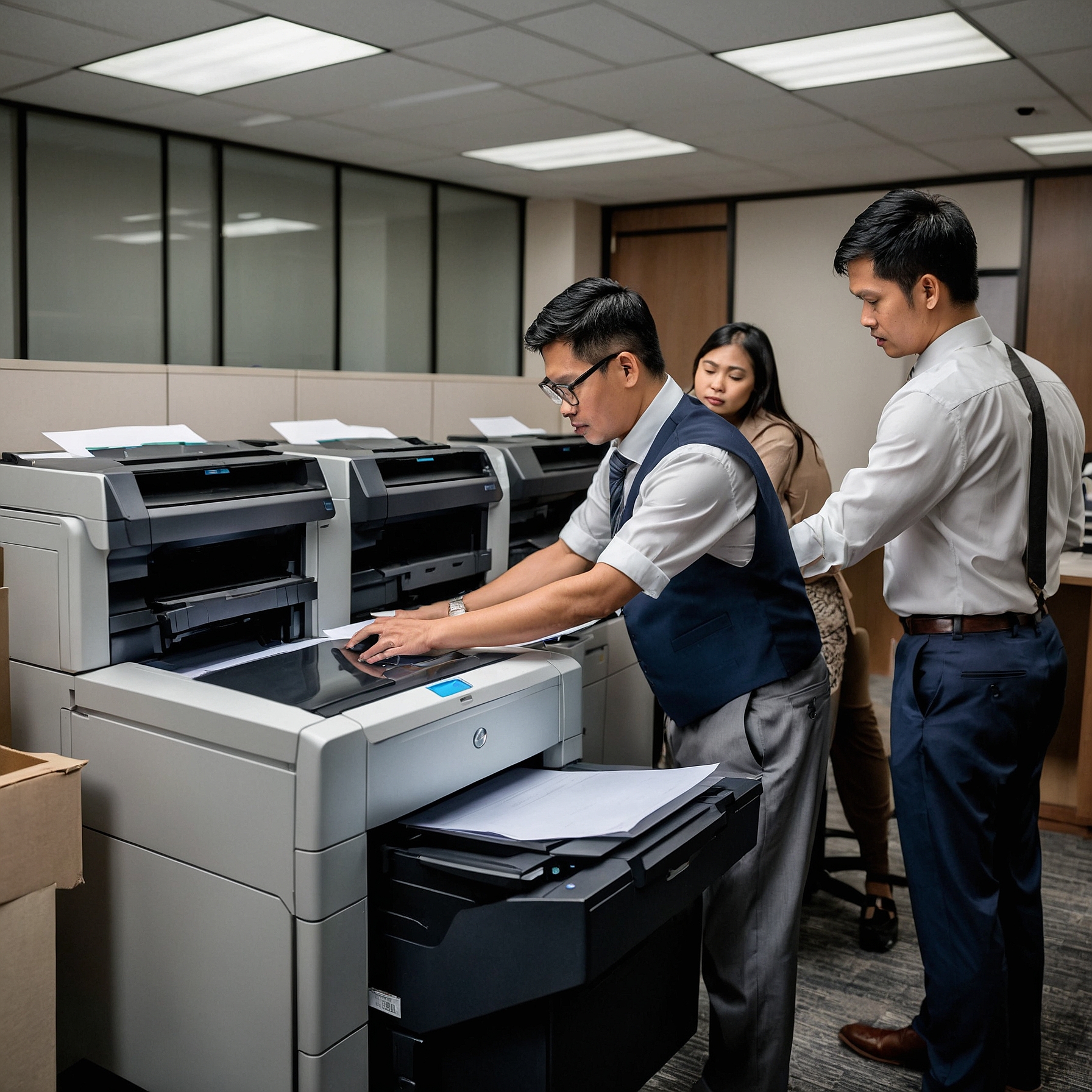
Rental agreements are essential documents for any leasing arrangement. However, when it comes to renting equipment or properties for individuals with special needs, these agreements need to be tailored to ensure accessibility, fairness, and proper accommodations. This article dives deep into the intricacies of rental agreements for special needs, addressing the unique aspects that both landlords and tenants should consider.
What Are Rental Agreements for Special Needs?
A rental agreement for special needs refers to a contract specifically designed to accommodate individuals with disabilities or other special requirements. These agreements go beyond the basic legalities of standard contracts, ensuring that the property or equipment is accessible and adaptable to the tenant’s needs. Special provisions may include modifications to the physical space, adjustments in service terms, or other considerations like financial assistance.
Key Components of Rental Agreements for Special Needs
Accessibility Provisions
Accessibility is the cornerstone of rental agreements for special needs. The property or equipment being rented must meet accessibility standards to ensure that individuals with physical, sensory, or cognitive disabilities can use them comfortably and safely. For real estate rentals, this could include wheelchair ramps, accessible bathrooms, and wide doorways. For equipment rentals, like copiers or printers, this could include specialized software, adaptive hardware, or easy-to-use interfaces.Service Modifications
Rental agreements should specify any necessary modifications to the service provided. For example, extended customer support hours or priority assistance might be needed for tenants with special needs. Landlords or rental companies may need to offer customized services such as ongoing technical support or regular equipment maintenance to meet these needs.Reasonable Accommodations
The Americans with Disabilities Act (ADA) and similar laws in other regions often require that reasonable accommodations be made to allow individuals with special needs to access services equally. This could include extra time for service calls, specialized delivery options, or the ability to make modifications to rented equipment or properties.Duration and Flexibility
For individuals with special needs, flexibility can be crucial. Rental agreements for special needs tenants may include options for flexible lease terms, allowing for longer rental periods or the ability to terminate agreements early without penalties. In the case of renting equipment, extensions or adjustments in usage terms might be necessary to accommodate specific needs.Clear Communication
Transparent communication about the rental terms, pricing, and conditions is vital. Special needs tenants should feel confident that their specific requirements will be met. Rental agreements should explicitly outline what accommodations are available, the process for requesting them, and how long the adjustments will take.
Legal Considerations in Special Needs Rental Agreements
Before entering into a rental agreement for special needs, both landlords and tenants must understand the legal framework surrounding these agreements. Different regions and countries have laws governing disability rights and accessibility. For instance, in the U.S., the Fair Housing Act and ADA regulate housing and services for people with disabilities. Similarly, in many countries, certain housing facilities must adhere to universal design standards.
It’s important for rental companies and property owners to be familiar with these laws and ensure compliance. Failure to accommodate reasonable requests or adhere to accessibility guidelines could lead to legal consequences and harm their reputation.
Common Examples of Special Needs Rental Agreements
Residential Rentals
For residential leases, special needs tenants may require specific accommodations such as ramps, grab bars in bathrooms, or wider doorways. Additionally, flexible move-in/move-out times or the ability to make non-permanent modifications to the property can be included.Equipment Rentals
Equipment rentals, such as copiers, printers, or specialized machinery, often require specific modifications. For instance, a rental company might need to provide adaptive technology for individuals with visual impairments or cognitive disabilities. It could also include maintenance services tailored to the tenant's usage and needs.Automobile Rentals
Rental companies that provide vehicles must ensure that their cars are accessible to people with disabilities. This could mean offering vehicles with hand controls, ramps for wheelchairs, or vehicles that accommodate larger mobility devices.
Factors to Consider in Special Needs Rental Agreements
Cost Considerations
Special needs accommodations might come with additional costs, but it’s important to evaluate the long-term benefits of inclusivity and accessibility. Offering reasonable pricing for individuals with special needs can foster goodwill and customer loyalty. Rental companies can also explore ways to offset these costs, such as including them in long-term rental agreements. You can explore cost comparisons here.Insurance
Rental agreements should include specific clauses for insurance coverage that addresses the potential needs of special needs tenants. For instance, in equipment rental, some equipment may need to be insured for specific risks, such as damage from improper use due to the tenant’s special requirements.Maintenance and Repairs
Providing regular maintenance and repair services can help ensure that the rental property or equipment continues to meet the tenant's needs. This includes both preventive maintenance and quick response times in case of emergencies. Be sure to clarify these terms in the rental agreement. Rental companies can learn more about saving money on copier rentals here.Termination and Renewal Terms
The agreement should clearly outline how either party can terminate the lease or agreement. Special considerations should be made for tenants whose needs may change during the lease term, ensuring that they can easily modify or end their rental agreements without penalty. More about lease terms can be found here.
Conclusion
Crafting a rental agreement that considers the unique needs of tenants with special requirements is not just about compliance; it's about creating an inclusive, supportive environment. By integrating accessibility provisions, service modifications, and legal accommodations, landlords and rental companies can provide a better experience for everyone involved. Special needs tenants deserve the same level of care and consideration as any other tenants.
As you embark on setting up rental agreements for special needs, make sure to stay informed about both legal requirements and practical needs. Explore more tips on analyzing lease terms for cost efficiency and learn how you can make your rental agreements more inclusive and accessible for all.
For further insight into this topic, check out this video.
For more about our rental services, visit Marga Enterprises.
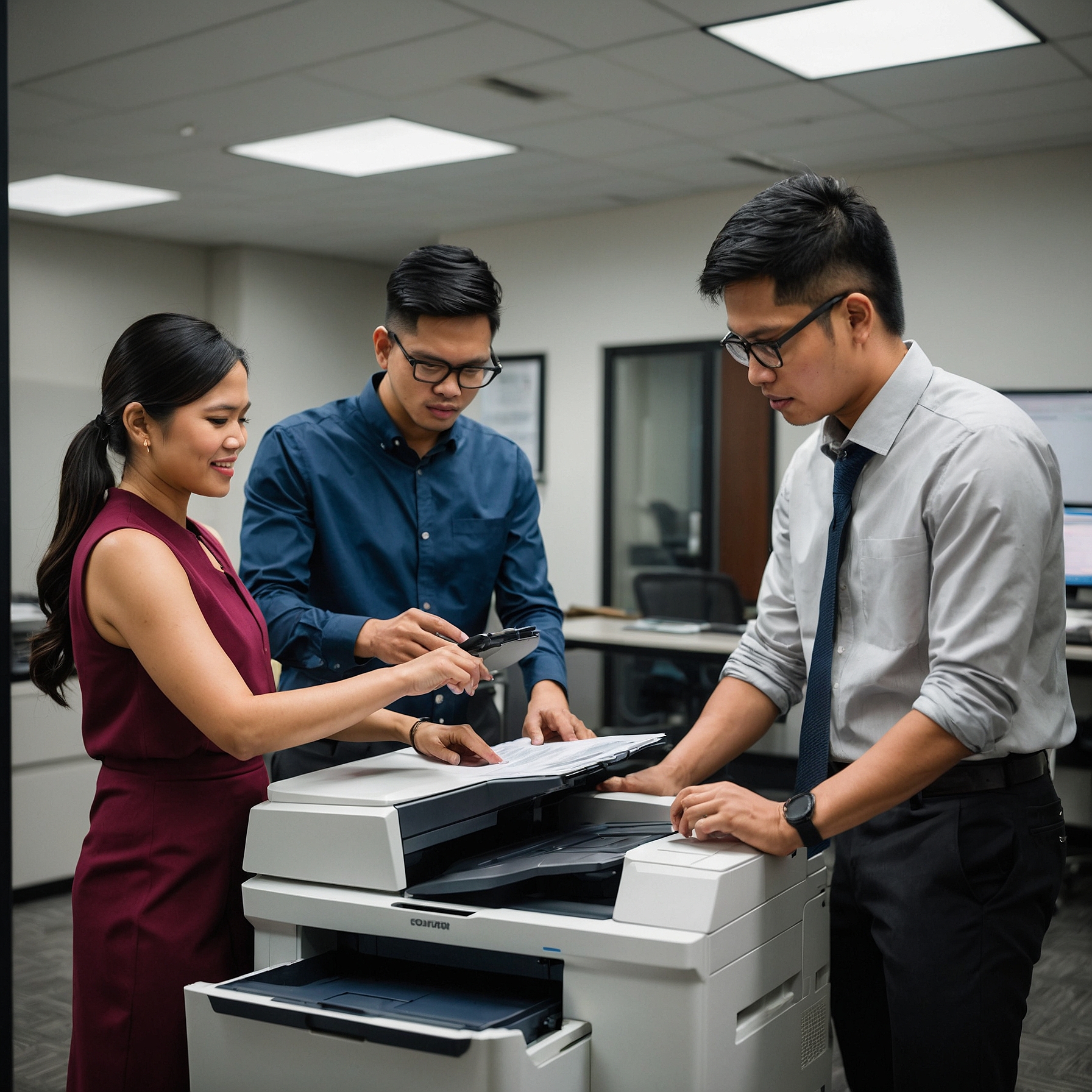
Strategies for Customizing Rental Agreements
Customizing rental agreements is not just about ticking boxes for features; it’s about strategically tailoring the terms to fit your business’s operational and financial goals. In this part, we’ll explore actionable strategies to create highly effective custom rental agreements that address specific needs while providing long-term value.
Strategy 1: Evaluate Your Business Requirements
The first step in customizing any rental agreement is understanding what your business truly needs. Consider:
- Printing Volume: High-demand environments require high-volume copier features for efficiency.
- Short-Term vs. Long-Term Use: Short-term needs, such as printer rentals for events, will have different terms compared to ongoing operations.
- Branding and Marketing: For businesses prioritizing marketing, features like custom color profiles for special projects ensure consistency in print materials.
Conducting a cost analysis of high-volume copier rentals can also help determine the most budget-friendly approach.
Strategy 2: Prioritize Flexibility
Business needs can change rapidly. A rigid rental agreement may hinder growth or adaptability, so prioritize contracts that allow for:
- Amendments in Contracts: Agreements that permit amendments in contracts help you adjust terms as your needs evolve.
- Scalability: For growing businesses, scalable options ensure your equipment can handle increased workloads. Learn more about scalability in rental agreements.
- Short-Term Upgrades: Including technology upgrades in the agreement ensures your equipment remains current without requiring a new contract.
Strategy 3: Focus on Sustainability
Sustainability is a key concern for many businesses today. Customizing rental agreements to include eco-friendly provisions can reduce costs and improve your company’s reputation. Key options include:
- Energy-Efficient Machines: Many providers now offer equipment that minimizes power consumption, reducing the environmental impact of your operations.
- Recycling Programs: Work with providers who include responsible disposal and recycling of consumables like toner and paper.
- Green Printing Practices: Opt for machines that support best practices for high-volume printing to minimize waste.
Strategy 4: Negotiate for Advanced Features
Including advanced features in your rental agreement can improve productivity and quality. Examples include:
- Custom Branding Solutions: Features like impact of color printing on branding enable businesses to create high-quality marketing materials.
- Feedback Mechanisms: Agreements that include feedback and improvement for copier rentals allow providers to refine services based on your input.
These features can often be negotiated into contracts without significantly increasing costs, particularly for long-term agreements.
Strategy 5: Learn from Case Studies
Case studies provide valuable insights into how other businesses have successfully customized their agreements. For example:
- Event-Specific Rentals: Companies hosting large conferences worked with providers offering setup and logistics of event copier rental to ensure seamless operations.
- Long-Term Flexibility: Businesses that conducted cost analysis of high-volume copier rentals negotiated scalable terms that supported their growth.
Expanded FAQ
Q: How do I know which features to prioritize in my agreement?
A: Start by evaluating your operational needs, such as printing volume, branding requirements, or event-specific needs. Tools like choosing the right high-volume copier can help guide your decision.
Q: Can rental agreements include sustainability options?
A: Yes, many agreements now include eco-friendly provisions, such as energy-efficient machines, to reduce environmental impact and waste.
Q: What should I do if I need to amend my rental agreement?
A: Work with a provider that allows amendments in contracts to adjust terms without penalties.
Q: How can I ensure my equipment stays up-to-date?
A: Include technology upgrades in your agreement to maintain access to the latest advancements.
Q: Are there options for short-term, event-specific rentals?
A: Yes, providers offering printer rentals for events and related services can create agreements tailored to specific events.
Q: Can feedback improve rental agreements?
A: Absolutely. Sharing feedback and improvement for copier rentals helps providers refine their services to better meet your needs.
Q: What are the benefits of scalable rental agreements?
A: Scalable agreements, like those offering scalability, allow businesses to expand operations without renegotiating contracts.
Q: How can case studies help in customization?
A: Case studies provide practical examples of how other businesses have tailored agreements for success, such as setup and logistics of event copier rental.
Additional FAQs
Q: Can I negotiate maintenance services into my rental agreement?
A: Yes, many providers include maintenance and troubleshooting services as part of the rental agreement. This ensures minimal downtime and consistent performance throughout the rental period.
Q: What should I consider when selecting equipment for high-volume tasks?
A: Look for machines with high-volume copier features, as they are designed to handle large print volumes efficiently.
Q: Are rental agreements different for small businesses compared to large enterprises?
A: Yes, small businesses often prioritize flexibility and cost-effectiveness, while large enterprises may require scalable solutions and advanced features like custom color profiles for special projects.
Q: How do custom agreements support branding needs?
A: Custom agreements can include features like impact of color printing on branding to ensure marketing materials are high-quality and consistent.
Q: What factors influence the cost of a custom rental agreement?
A: Costs are influenced by equipment type, contract length, included services, and additional features such as technology upgrades or sustainability provisions.
Q: Can I request feedback-based adjustments in long-term agreements?
A: Yes, providing feedback and improvement for copier rentals allows providers to fine-tune services to better match your evolving needs.
Q: Are there flexible agreements for businesses with fluctuating workloads?
A: Absolutely. Scalable agreements, like those offering scalability, are ideal for businesses with seasonal or variable workloads.
Q: How do custom agreements improve sustainability efforts?
A: Custom agreements often include energy-efficient machines and recycling programs, reducing the environmental impact of printing operations.
Q: What are the benefits of choosing a provider experienced in event rentals?
A: Providers offering specialized services like setup and logistics of event copier rental ensure smooth operations for events by managing installation, logistics, and support.
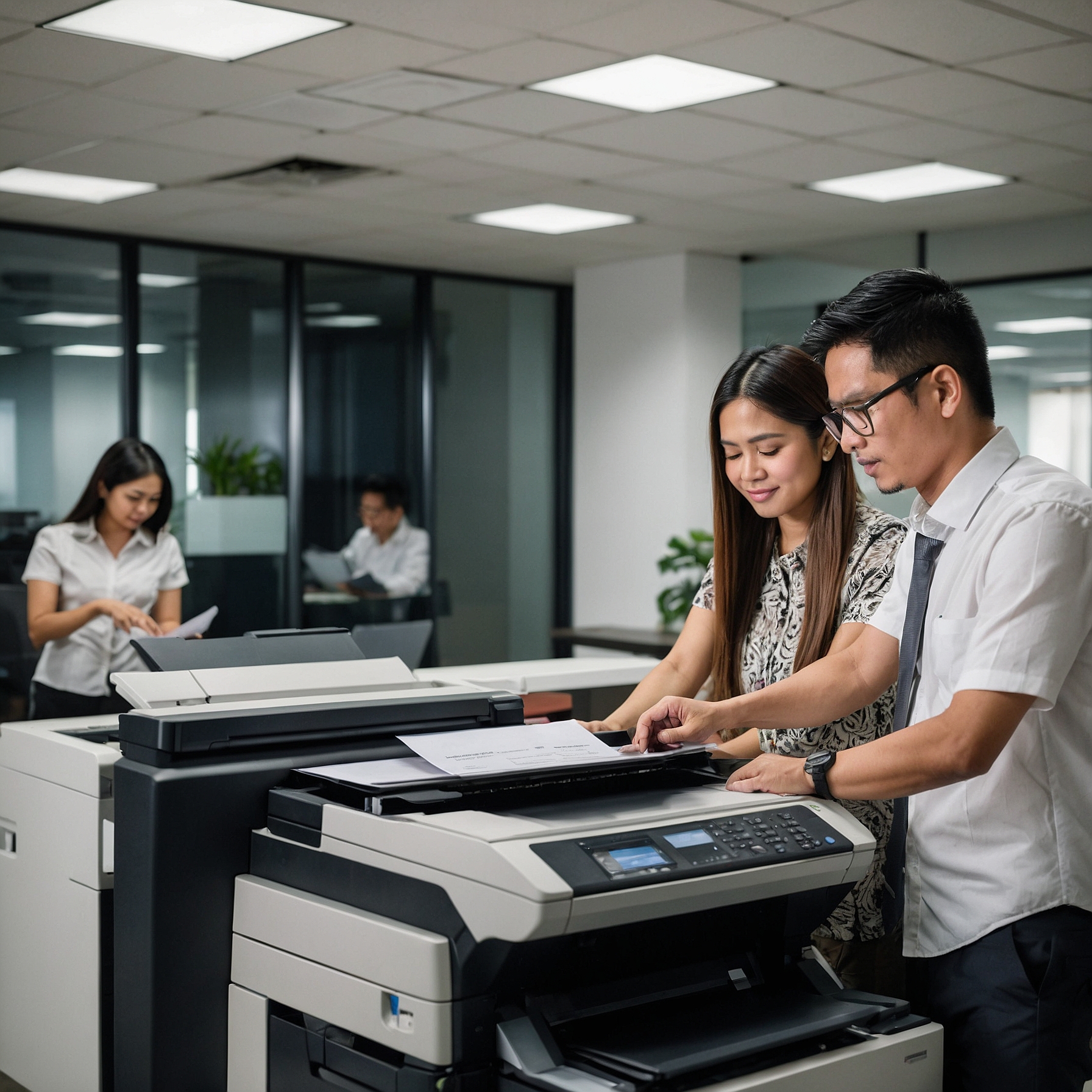
The Future of Custom Rental Agreements
In an ever-changing business landscape, custom rental agreements are becoming increasingly dynamic, incorporating technology, sustainability, and advanced features. This final section will explore how customization continues to evolve and how businesses can leverage these developments to achieve long-term success.
Emerging Trends in Custom Rental Agreements
Integration of Advanced Technology:
The inclusion of technology upgrades in rental agreements ensures that businesses stay ahead of the curve. Agreements are now designed to provide access to cutting-edge features like AI-enabled diagnostics and remote monitoring, which enhance operational efficiency.Sustainability Focus:
Green business practices are now a standard in rental agreements. Features like energy-efficient copiers, recycling programs, and reduced consumable waste are helping companies lower their environmental impact while meeting corporate social responsibility goals.Tailored Terms for Specific Industries:
Providers are offering industry-specific solutions, such as custom color profiles for special projects for marketing firms or high-speed printers for logistics companies.Flexible Pricing Models:
Businesses now demand price transparency and flexibility in rental terms. Pay-as-you-go and usage-based pricing are becoming popular options.
Building Resilience Through Customization
Custom rental agreements not only meet immediate needs but also help businesses build resilience for the future. Here’s how:
Future-Proofing:
Agreements that include scalability and upgrade options ensure businesses are ready for growth and technological advancements.Risk Mitigation:
Contracts with provisions for amendments in contracts allow businesses to adapt to changing circumstances, such as fluctuating workloads or unexpected disruptions.Data-Driven Improvements:
The integration of feedback and improvement for copier rentals ensures continuous optimization of services based on actual usage patterns and customer input.
Case Study: A Customized Rental Agreement for Events
A large retail company hosting an annual conference needed specialized printing services. By opting for a custom rental agreement, the company was able to:
- Utilize setup and logistics of event copier rental to ensure smooth installation and operations.
- Select equipment with custom color profiles for special projects to produce high-quality branded materials.
- Incorporate energy-efficient copiers to align with their sustainability goals.
This tailored agreement resulted in cost savings, operational efficiency, and improved brand visibility during the event.
Looking Ahead
As customization becomes the norm, businesses can expect even more flexibility and innovation in rental agreements. Emerging trends include:
- AI-Driven Insights: Predictive analytics will help providers offer better equipment recommendations and tailored terms.
- Global Accessibility: Agreements will cater to remote and hybrid work environments, with solutions designed for distributed teams.
- Enhanced Collaboration: Partnerships between businesses and providers will deepen, emphasizing shared goals like sustainability and efficiency.
Expanded FAQ
Q: What are the benefits of long-term custom agreements?
A: Long-term agreements with scalability and upgrade options provide stability, cost savings, and the ability to adapt to changing business needs.
Q: Can agreements include data security measures?
A: Yes, modern agreements can integrate features to protect sensitive information, ensuring compliance with data protection standards.
Q: Are there rental solutions for businesses with variable workloads?
A: Absolutely. Flexible contracts with amendments in contracts and usage-based pricing cater to fluctuating workloads.
Q: How do custom agreements support event-specific needs?
A: Event-focused agreements include features like setup and logistics of event copier rental and scalable equipment options for seamless operations.
Q: Are there options for including branding tools in agreements?
A: Yes, features like custom color profiles for special projects enable businesses to create high-quality, branded materials.
Q: Can I request a green-focused agreement?
A: Providers now offer eco-friendly rental agreements with energy-efficient machines and recycling programs, reducing environmental impact.
Q: How can I future-proof my rental agreement?
A: Include clauses for technology upgrades and scalability to keep your equipment up-to-date and adaptable to growth.
Q: Are custom agreements suitable for startups?
A: Yes, startups benefit from tailored agreements that prioritize flexibility, cost efficiency, and essential features without overextending budgets.
Q: Can I renegotiate terms during the rental period?
A: Agreements with amendments in contracts allow renegotiations to better align with evolving needs.
Call to Action
To explore customized rental agreements tailored to your business’s unique needs, contact Marga Enterprises today at 09171642540 or 09614481276. You can also email us at marga.enterprises2013@gmail.com.
Visit Marga Enterprises and discover why we are the No. 1 Copier & Printer Rental Provider in the Philippines.
Stay updated by following us on:
Let us help you create the perfect rental solution for your business!