
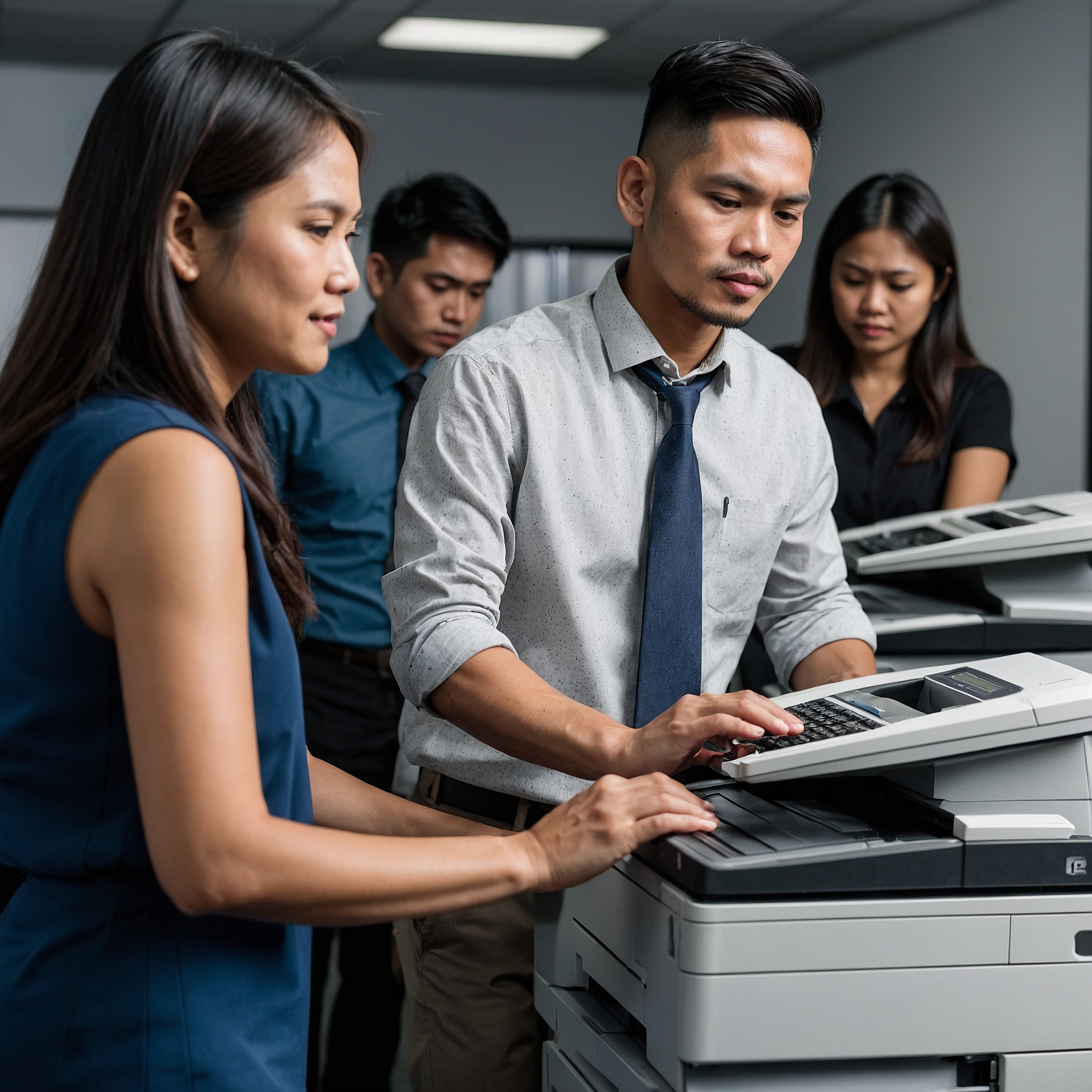
Renting office equipment such as copiers and printers can be a cost-effective solution for many businesses. However, successful rental agreement negotiations are essential to ensure you get the best deal that aligns with your business needs. Whether you're renting a copier for the first time or reviewing an existing rental agreement, knowing how to negotiate effectively can save you money and provide the equipment you need without the burden of an overwhelming contract.
In this blog post, we will discuss key tips and strategies for successful rental agreement negotiations, focusing on copier rentals, and how to optimize your agreement for cost efficiency.
Why Negotiating a Rental Agreement Matters
Negotiating rental agreements is crucial because the terms and conditions of the contract will determine your monthly payments, service charges, and other costs. Poorly negotiated agreements could result in unnecessary expenses or restrictions that affect your business's operations. By learning the ins and outs of rental negotiations, you can secure an agreement that benefits your company both financially and operationally.
Understand the Equipment You Need
Before entering any negotiation, it’s important to understand what equipment you need. If you're looking to rent a copier, assess the features required for your business. For instance, do you need color copying? Is a high-volume copier necessary? What speed and print quality do you need?
Understanding your business's needs allows you to choose the right model and avoid paying for features you don’t require. You can avoid unnecessary expenses and ensure that the equipment you rent serves its intended purpose efficiently.
Research Market Prices and Available Options
Successful rental negotiations start with research. Get familiar with market prices and available rental options to understand the standard rates. Many rental companies offer competitive pricing, but without proper knowledge, you might end up agreeing to terms that are less favorable.
It’s also wise to explore what other companies are offering. For instance, some copier rental companies provide discounts or promotions to attract customers. Others may offer flexible lease terms, such as shorter contract durations or lower monthly payments.
Key Factors Affecting Copier Rental Prices
Several factors can impact the cost of renting copiers. These include the copier model, the volume of printing, and additional services such as maintenance and repairs. Understanding these factors will help you negotiate the best deal for your business.
For example, some factors that may affect copier rental prices include:
-
Volume of Printing: The more you print, the higher the cost might be. Negotiating for a fixed cost per page or a monthly allowance can help you manage costs better.
-
Maintenance and Repairs: Ensure that the contract includes regular maintenance and repair services at no extra cost or at a discounted rate.
-
Lease Terms: The length of the rental agreement can affect monthly payments. Shorter-term contracts may have higher monthly fees, while longer-term agreements may offer more flexibility or lower monthly rates.
For a detailed analysis on factors that affect copier rental prices, check out this guide on copier rental prices.
Negotiate for Flexible Payment Terms
When entering into a rental agreement, always aim for flexibility in the payment terms. This includes negotiating payment schedules, early termination clauses, and any penalties associated with breaking the contract. Flexible payment terms can ease cash flow management and help your business avoid unnecessary financial strain.
For example, some companies may offer quarterly payments instead of monthly payments, which can help with cash flow management. On the other hand, if your business is growing quickly, you may want a clause that allows for easy equipment upgrades or extensions.
Focus on Total Cost of Ownership (TCO)
While negotiating the rental price is important, it's also crucial to focus on the total cost of ownership (TCO). TCO includes not only the rental price but also other factors like maintenance, energy consumption, and consumables (toner, paper, etc.).
By understanding the full cost involved, you can negotiate for additional services that may help reduce the overall TCO. For example, you might negotiate for a lower maintenance fee or a package that includes toner and paper costs.
To learn more about managing copier rental costs, check out this guide on budgeting for copier rentals.
Review the Lease Term Carefully
The lease term is one of the most critical aspects of a rental agreement. Ensure that you are comfortable with the length of the term, and check if there are any automatic renewal clauses that could lock you into the agreement for a longer period.
Sometimes, companies may offer better rates for longer lease terms, but this could be restrictive if your business needs change. On the other hand, shorter leases offer more flexibility but may come at a higher price. Make sure to evaluate the pros and cons of both options.
Also, consider the potential need for upgrades or changes to your equipment during the lease. It’s wise to negotiate an option to upgrade the copier or replace it with more efficient models without incurring heavy penalties.
Use Technology to Your Advantage
Today’s copier rental market offers various advanced technologies that can help improve your business operations. Many rental agreements include advanced features such as remote monitoring, automatic toner reordering, and network security tools.
When negotiating, consider asking for access to such technologies at no additional cost, as they can significantly enhance the efficiency of your rental equipment.
Keep Track of Hidden Fees and Charges
Hidden fees and charges are common in copier rental agreements. Always be sure to read the fine print of any agreement and ask the rental company about potential fees that may arise during the term of the lease.
Some fees you may encounter include:
-
Overage charges for exceeding print limits
-
Late payment fees
-
Setup or installation fees
-
Penalty fees for early termination
It’s important to clarify these fees upfront to avoid unexpected charges later on. For more on how to analyze copier rental costs and save money, check out this copier rental cost analysis.
Make Sure You Understand the Service Agreement
Finally, ensure that the service agreement is clearly defined. Most copier rentals come with a service agreement that includes maintenance, troubleshooting, and repair services. It's vital to understand the service level provided, how quickly issues will be addressed, and what happens if the machine is down for an extended period.
Service agreements should be transparent about what is covered, including:
-
Preventive maintenance
-
Emergency repair services
-
Toner replacement
-
Parts and labor
Having a clear service agreement ensures that your rental equipment operates at peak efficiency and prevents costly downtime.
Conclusion: Securing the Best Rental Agreement
Negotiating a successful rental agreement requires understanding your business’s needs, doing thorough market research, and negotiating flexible terms that protect your bottom line. By following the tips outlined in this post, you can ensure that your rental agreement meets your business’s objectives while minimizing unnecessary costs.
For more tips on securing a copier rental agreement, check out this cost comparison between renting and buying a copier.
If you're looking for expert advice on copier rental agreements, visit the Marga Enterprises homepage here.
Lastly, if you're interested in learning more about copier rental agreements, you can watch this helpful video: Successful Rental Agreement Negotiations Video.
Successful rental agreement negotiations are the key to optimizing your rental agreement, saving money, and ensuring that your equipment supports your business’s growth and efficiency. Happy negotiating!
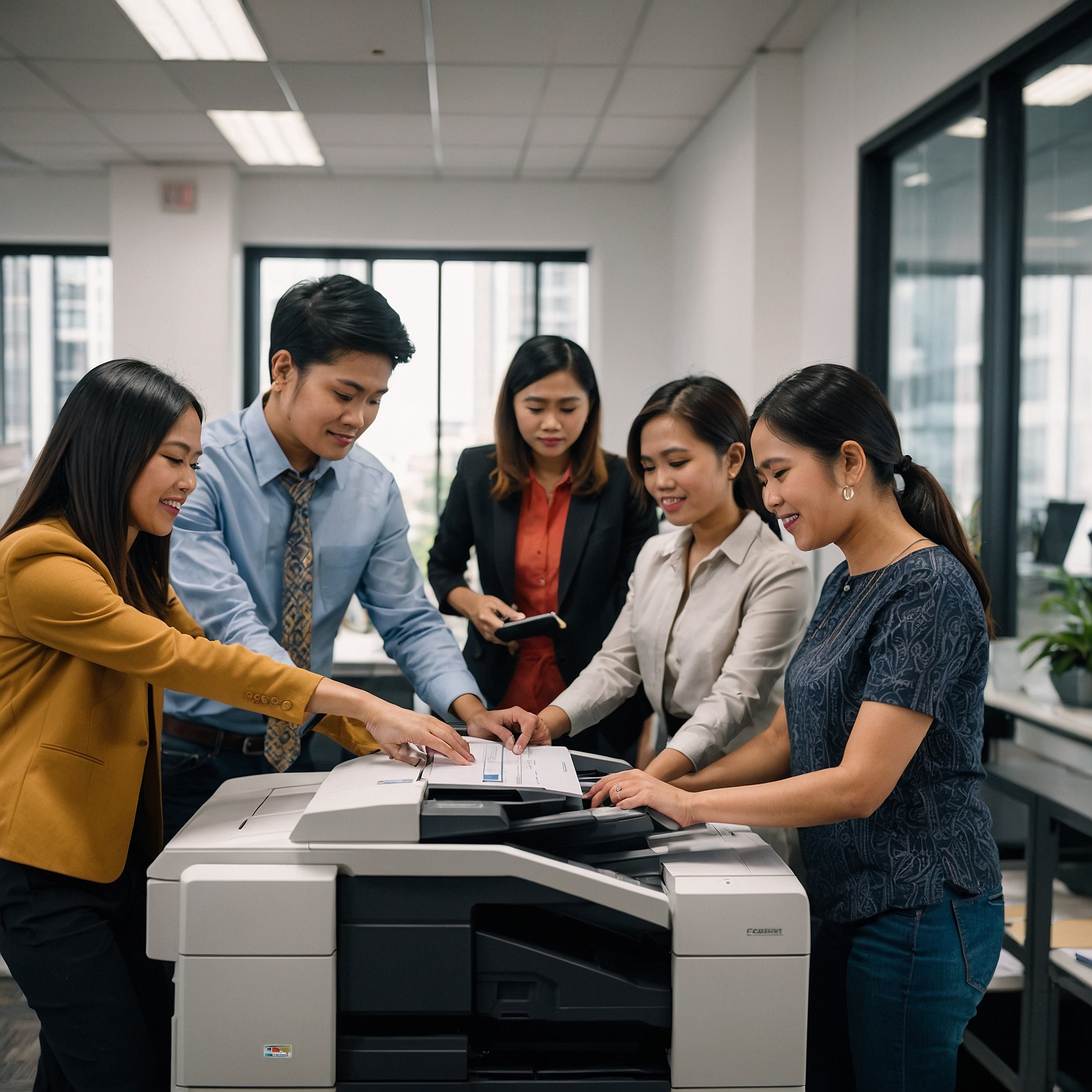
Strategies for Successful Rental Agreement Negotiations
When it comes to negotiating rental agreements, whether for copiers, office spaces, or other business assets, the process can feel daunting. A well-negotiated agreement, however, can save your business money, reduce unexpected costs, and ensure long-term success. Below, we will outline key strategies for successful rental agreement negotiations to help you achieve the best deal for your needs.
1. Understand Your Needs and Budget
Before you enter into any rental agreement negotiation, it's essential to have a clear understanding of your business's needs and your budget. For instance, if you are negotiating a copier rental agreement, think about the volume of prints your business requires, the type of documents you produce, and how often the copier will be used.
Establishing a budget is equally crucial. Consider the total cost of ownership, including regular maintenance, ink, and toner, when evaluating a rental agreement.
Key takeaway: Know your needs and financial limits before entering into negotiations.
2. Do Your Research
Thorough research is critical to successful negotiations. Whether you're negotiating for office space or a copier, understanding market trends and comparing pricing options will give you a competitive advantage.
For example, with copier rentals, understanding factors that affect copier rental prices can help you assess if the proposed terms are reasonable. Additionally, you can compare renting versus buying to see which option provides better value in the long run.
Visit this guide on factors affecting copier rental prices for more information.
Key takeaway: Do extensive research to understand pricing trends and different rental models.
3. Leverage Multiple Quotes
One of the best ways to ensure you're getting the best deal is by obtaining multiple quotes. Approach different rental companies and request quotes for the same asset or service. This will not only give you a clear picture of the going rate but also allow you to leverage one quote against another during negotiations.
You can also use this information to negotiate better terms such as lower monthly payments or reduced interest rates, especially if you’re able to demonstrate that other options are available at a better price.
Key takeaway: Use competition to your advantage by gathering multiple quotes.
4. Negotiate Lease Terms for Flexibility
Flexibility in your rental agreement can make a huge difference. Whether it's the length of the lease, the ability to upgrade equipment, or the option to terminate the contract early, these terms can significantly affect your business's financial health and operational flexibility.
For example, you may want to negotiate lease terms that allow you to upgrade to a newer model at no additional cost after a set number of months. In copier rental agreements, you can also ask for more inclusive maintenance services at a reduced cost.
Check out this article on analyzing lease terms for cost efficiency for more insights.
Key takeaway: Ensure that the terms of the lease offer flexibility to adapt to changing business needs.
5. Focus on the Total Cost of Ownership (TCO)
When negotiating, it's important to look beyond the monthly rental cost. Consider the total cost of ownership (TCO), which includes additional fees for maintenance, upgrades, and any hidden costs that may arise during the rental period.
For copiers, for instance, look into whether the rental agreement includes maintenance, repair services, or ink and toner. Understanding these costs upfront can prevent surprises down the line.
Explore this guide on how to budget for copier rentals to gain a better understanding of budgeting for equipment rental agreements.
Key takeaway: Always assess the total cost of ownership to get a clear view of the financial commitment.
6. Request Customization
Customization is a powerful negotiation tool that can ensure the rental agreement fits your business's unique needs. If the standard agreement doesn't align with your requirements, don’t hesitate to ask for custom terms.
For instance, in copier rental agreements, you might need specific features like high-volume printing or extra paper trays. For office space, you might want flexibility in terms of space usage or permission to make alterations to the property.
Key takeaway: Don't accept generic agreements. Ask for terms that cater to your specific needs.
7. Negotiate Early Termination Clauses
In some cases, you might need to exit the rental agreement earlier than planned. Therefore, negotiating early termination clauses is essential.
Ensure that the clause is fair and gives you the option to terminate the agreement without excessive penalties. This could be particularly important if your business undergoes significant changes, such as downsizing or relocating.
Key takeaway: Negotiate reasonable early termination clauses to avoid costly penalties.
8. Get Legal Advice
Finally, always consult with a legal expert before signing any rental agreement. A legal professional can help you understand the terms of the contract, ensuring there are no hidden clauses that might work against you.
A lawyer can also help with negotiating better terms, especially for high-value rental agreements, such as copier rentals or office leases.
Key takeaway: Seek legal advice to ensure your interests are protected in the agreement.
Conclusion
Negotiating a successful rental agreement involves research, preparation, and effective negotiation strategies. By understanding your needs, researching pricing, leveraging competition, and focusing on the total cost of ownership, you can secure an agreement that provides both financial and operational benefits.
Whether you’re leasing office equipment, such as copiers, or negotiating for office space, these strategies will guide you toward a more favorable rental agreement.
For more resources on copier rentals and budgeting, check out the following links:
-
Cost Comparison: Renting vs. Buying a Copier
-
Saving Money on Copier Rentals
-
How to Budget for Copier Rentals
And for further insights, you can check this YouTube video on copier rental agreements.
For all your copier rental needs and solutions, visit Marga Enterprises.
By applying these strategies, you can confidently navigate rental agreement negotiations and ensure that you make the best decisions for your business.
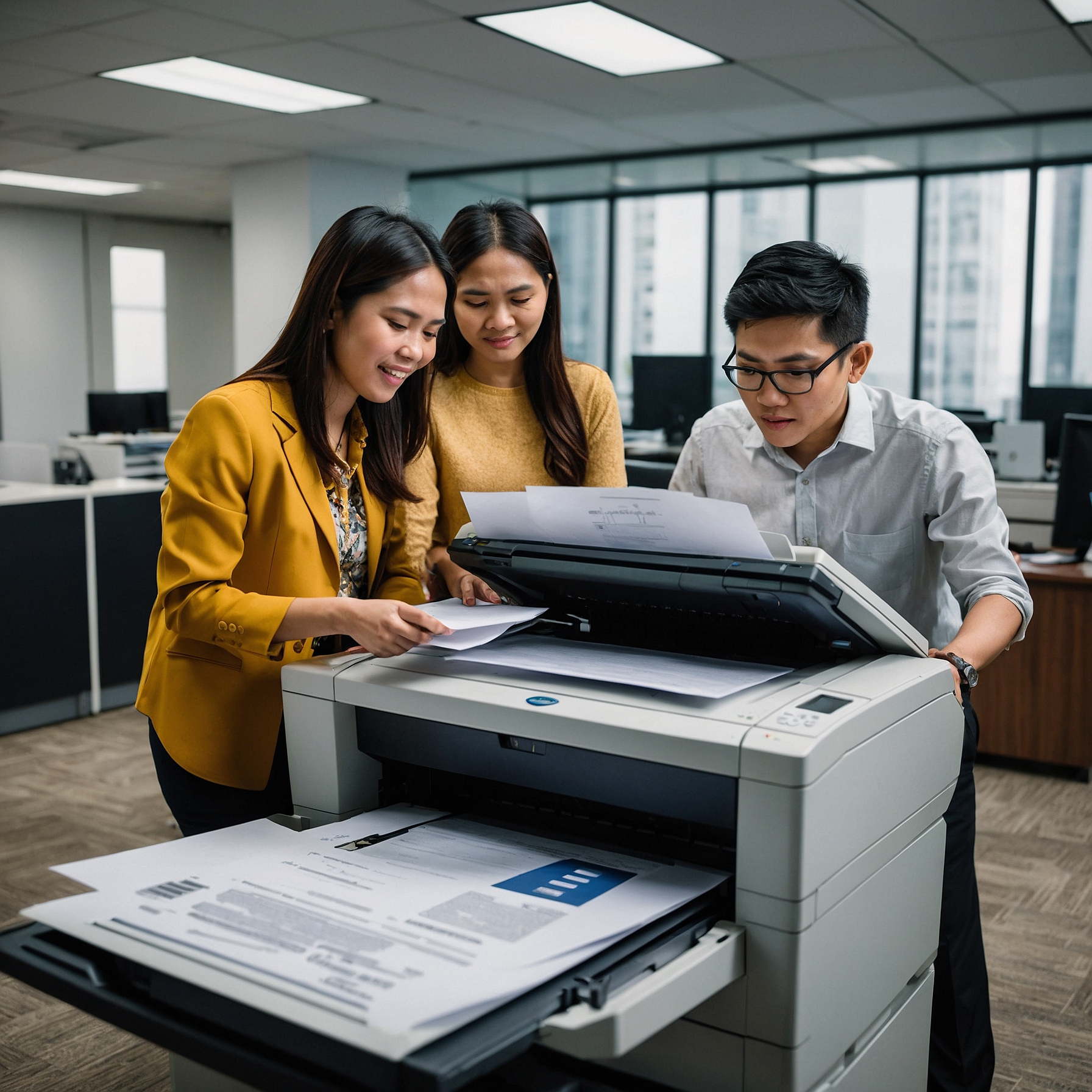
Crafting Flexible and Long-Term Rental Agreements: A Comprehensive Guide
In today’s fast-paced business world, companies are constantly searching for ways to stay flexible and cost-efficient. One key strategy that has gained popularity is renting rather than buying office equipment, particularly copiers and printers. However, crafting a flexible and long-term rental agreement requires thoughtful consideration and careful planning. This blog post delves into the essential components of crafting rental agreements that are both flexible and conducive to long-term business needs, ensuring your investment is protected while keeping your operations efficient.
The Importance of Flexible Rental Agreements
Flexible rental agreements offer businesses the advantage of adapting to changing circumstances without the long-term commitment of purchasing equipment. In particular, rental agreements for office equipment like copiers and printers provide companies with the opportunity to access the latest technology without incurring hefty upfront costs. By opting for a rental agreement, businesses can easily upgrade or adjust the terms as their needs evolve.
Flexible agreements allow businesses to make adjustments to the rental term, usage limits, and service packages based on fluctuating demands. This adaptability makes it easier to scale operations, especially for businesses experiencing rapid growth or changes in their workforce.
Key Factors to Consider When Crafting Rental Agreements
When creating a long-term rental agreement, several factors must be considered to ensure the arrangement benefits both the business and the rental provider. Below are some key elements that should be addressed in the agreement:
1. Term Length and Renewal Options
The length of the rental term is one of the most critical aspects of a rental agreement. It’s important to align the rental term with the expected duration of your business’s need for the equipment. A flexible agreement may offer shorter initial terms, such as one to three years, with options for renewal or extensions.
Many businesses prefer agreements that automatically renew at the end of each term, but it is essential to have the option to renegotiate the terms before renewal. This ensures that any changes in your business needs or financial situation can be incorporated into the agreement.
2. Service and Maintenance Provisions
One of the main benefits of rental agreements, especially for equipment like copiers, is the inclusion of service and maintenance provisions. These services should be clearly defined within the agreement, outlining the frequency of maintenance, repair procedures, and response times for technical support. A solid service package can help minimize downtime and prevent any interruptions in your business operations.
For example, businesses should ensure that the agreement includes provisions for both preventative maintenance and emergency repairs. This will help ensure that the equipment remains in optimal condition throughout the rental term.
3. Cost Structure and Payment Terms
An effective rental agreement should clearly outline the cost structure, including any upfront payments, monthly fees, and additional charges for overage usage or late payments. Some agreements include a fixed monthly fee, while others may have variable costs based on usage, such as the number of copies made or the number of pages printed.
When crafting the agreement, businesses should carefully review the total cost of the rental, including hidden fees or additional charges that could affect the overall financial impact. To get a better sense of how rental agreements compare, consider looking at factors affecting copier rental prices, such as maintenance costs, machine quality, and contract flexibility.
For a more detailed cost comparison, check out Renting vs. Buying a Copier, which provides insight into the financial benefits of renting over purchasing.
4. Usage Limits and Overages
Most rental agreements come with specific usage limits, such as a maximum number of copies or prints allowed each month. It’s important to ensure that the agreement includes clear guidelines about overage charges if these limits are exceeded. These charges should be reasonable and not cause an undue financial burden on the business.
5. Upgrade and Downgrade Options
Over the course of a long-term rental agreement, a business may need to upgrade or downgrade its equipment to better meet its needs. Therefore, it’s important to include provisions that allow for easy upgrades or downgrades of the equipment during the term of the agreement. This is especially useful for businesses that experience changes in volume or need more advanced technology as their operations grow.
To ensure you’re making the best choice when renting office equipment, you can also check out How to Budget for Copier Rentals, which can provide you with practical tips for staying within your budget while maximizing equipment use.
6. End-of-Term Options
At the end of the rental term, businesses should have options to either purchase the equipment at a discounted price, renew the agreement for a new term, or return the equipment altogether. This flexibility ensures that businesses are not locked into outdated technology and can make the best choice depending on their future needs.
Additional Considerations for Crafting Effective Rental Agreements
While the above components are essential, other important aspects of rental agreements include:
-
Insurance Requirements: Depending on the type of equipment, businesses may be required to carry insurance to cover damages or loss. It’s important to specify who is responsible for providing this coverage.
-
Security Deposits: Some rental agreements require a deposit, which should be clearly outlined along with the terms for its return at the end of the lease.
-
Early Termination Clauses: In case the business needs to terminate the contract early, the terms and fees for early termination should be clearly defined in the agreement.
Conclusion
Crafting flexible and long-term rental agreements is a crucial strategy for businesses looking to optimize their office equipment investments. By considering factors like term length, service provisions, cost structures, and upgrade options, businesses can create agreements that provide both flexibility and long-term value.
When crafting your rental agreements, it’s essential to work with reputable rental providers who understand your business needs. Whether you're looking for more information on how to budget for copier rentals, saving money, or analyzing lease terms, the following resources can help you make informed decisions:
-
Saving Money on Copier Rentals
-
Analyzing Lease Terms for Cost Efficiency
By making sure your rental agreements are well-structured and adaptable, you’ll position your business to thrive in an ever-changing environment.
For more insights and updates, feel free to check out our YouTube Channel for more helpful tips.
Finally, always remember to explore the full range of services and products offered by Marga Enterprises to ensure your business is equipped with the best rental options available!
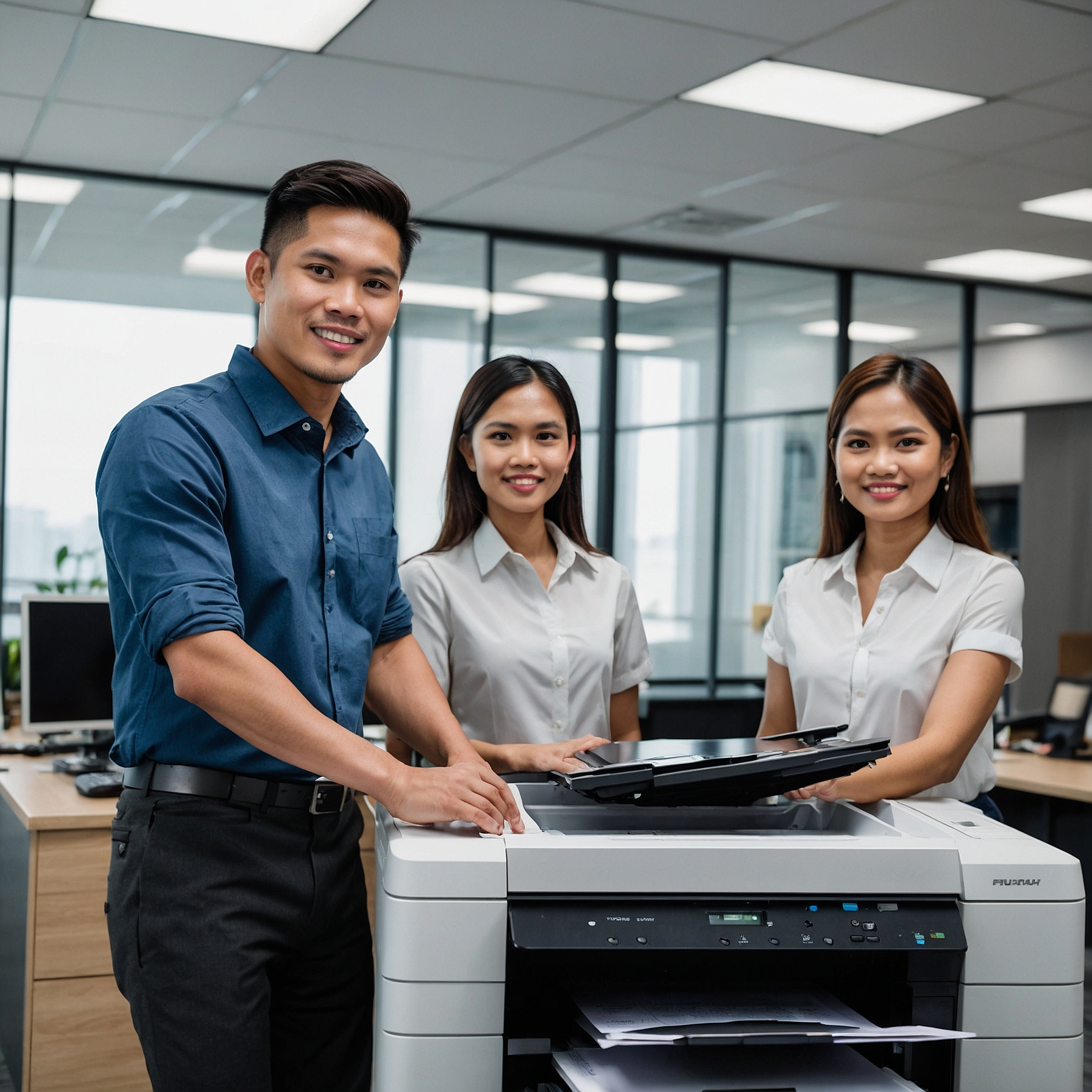
What is Copier Rental?
Copier rental is a service that allows businesses to lease copiers for flexible durations, ranging from short-term needs like events to long-term office use. This option is perfect for startups, event organizers, and established businesses looking to access high-quality copiers without the large upfront costs associated with purchasing. Whether it’s a single copier for a project or multiple units for larger operations, copier rentals provide the flexibility to meet your unique requirements.
To explore the available options, check out our page on copier rental. For environmentally conscious businesses, we also offer eco-friendly copier rental, which helps minimize your carbon footprint while fulfilling your printing and copying needs.
For businesses focused on productivity, our office copier rental solutions are designed to streamline workflow and boost efficiency. To manage your budget effectively, refer to our detailed guide on copier rental cost analysis, providing insights on how to balance expenses while ensuring quality.
If you’re considering renting versus purchasing, explore our comparison of copier rental vs. purchasing. Renting provides unparalleled flexibility, enabling businesses to scale operations and access the latest copier technology without significant financial commitment.
To ensure clear and transparent terms, check out our copier rental agreements. We offer both short-term copier rental and long-term copier rental options to suit your business goals.
Benefits of Copier Rentals for Businesses
For startups, copier rentals are a cost-effective way to access high-quality equipment. Learn more about our tailored solutions in copier rental for SMBs. Larger organizations can benefit from renting high-volume copier rental machines to efficiently manage demanding tasks.
Businesses with remote work setups can also benefit from mobile copier rental solutions, ensuring dependable printing and copying for remote teams. Explore our options for copier rental for events to find scalable solutions designed for temporary or event-based needs.
Long-term copier rental agreements are especially beneficial for managing expenses with fixed monthly rates. This allows businesses to maintain financial transparency and allocate resources more efficiently across other important areas.
For added peace of mind, our services include copier rental insurance and maintenance support, ensuring your copiers perform optimally with minimal downtime.
Start Renting Today
Copier rentals offer a practical, flexible, and budget-friendly solution for businesses of all sizes. Whether you're weighing copier rental vs. purchasing, looking for eco-friendly copier rental, or searching for a high-volume copier rental, we have the perfect plan to suit your needs.
For answers to common questions, visit our copier rental FAQs. Explore our customizable copier rental agreements and find the ideal rental plan to support your business today. Let us help enhance your business’s efficiency and flexibility with a rental plan designed for success.
To learn more about copier rentals and how Marga Enterprises can support your green initiatives, contact us today at 09171642540 or 09614481276. You can also reach us via email at marga.enterprises2013@gmail.com. Let’s work together to build a greener, more sustainable future for generations to come. Visit Marga Enterprises and find out why we are the No. 1 Copier & Printer Rental Provider in the Philippines.
Join our growing community on Facebook and Youtube for exclusive content and discussions designed to propel your business forward. Stay updated on our posts and be part of the conversation!