

When entering into a contractual agreement, businesses and individuals need to ensure that the terms remain relevant and feasible throughout the course of the agreement. Understanding amendments and modifications in agreements is key to maintaining flexibility and ensuring that all parties' needs are met over time. Amendments and modifications serve as essential tools in this regard, allowing parties to adjust terms to meet changing needs, market conditions, or unforeseen circumstances. In this post, we will explore the differences between amendments and modifications in agreements, why they are important, and how they can affect business operations.
What Are Amendments and Modifications?
While both amendments and modifications involve changes to an agreement, they are distinct in their purposes and legal implications. Understanding amendments and modifications in agreements is essential for managing any contract, especially when the needs or terms evolve.
-
Amendment: This refers to a formal change or addition made to an existing contract. An amendment is typically used to correct, clarify, or update the terms of the original contract, without fundamentally altering its nature.
-
Modification: A modification, on the other hand, is a more extensive change that may alter the agreement's terms in a significant way. Modifications can affect obligations, deadlines, or any other component of the agreement.
Key Differences Between Amendments and Modifications
Understanding amendments and modifications in agreements requires a look at their differences, as these changes have various implications for contract management:
-
Nature of Change: Amendments tend to be minor tweaks or adjustments, while modifications can involve substantial changes that may even change the contract’s core.
-
Formal Process: An amendment requires a formal written process and mutual agreement between both parties. Modifications, while still requiring agreement, may not always be as formal.
-
Scope: Amendments are generally narrower in scope compared to modifications, which can fundamentally alter how the agreement is executed.
Why Are Amendments and Modifications Important?
In the dynamic environment of business, agreements made at one point in time may need to be adjusted to reflect current realities. Understanding amendments and modifications in agreements is crucial for keeping business operations efficient and relevant.
-
Adapting to New Circumstances: As businesses grow and evolve, so do their needs. What might have been a perfect agreement at one time may no longer be practical. For example, with copier rental agreements, businesses might find they need more advanced features or different pricing models as they expand.
-
Ensuring Flexibility: Amendments and modifications give the parties involved the flexibility to ensure their agreement still serves their best interests.
-
Avoiding Legal Issues: Contracts that are not updated when necessary can lead to disputes. Understanding amendments and modifications in agreements helps clarify intentions and ensure that both parties remain aligned throughout the duration of the agreement.
-
Cost Efficiency: Particularly in agreements related to rentals, like copier leases, adjustments may be necessary to keep costs in line with the business’s evolving budget or goals.
For instance, copier rental agreements may need to be amended to reflect changes in usage, or modifications might be required to include additional features or extend the rental term.
How Do You Amend or Modify an Agreement?
Changing the terms of a contract, whether through amendment or modification, requires a clear process. While each agreement is unique, the following general steps apply when understanding amendments and modifications in agreements:
-
Review the Original Agreement: Before making any changes, it is crucial to thoroughly review the existing terms of the agreement. Understand the areas that require changes, whether it’s payment terms, deadlines, or deliverables.
-
Negotiate the Changes: Both parties must agree to the proposed amendments or modifications. Open communication and negotiation are essential to ensure that the changes reflect the needs of both sides.
-
Document the Changes: Any amendments or modifications should be documented in writing. This ensures that the changes are legally enforceable and that both parties have a clear understanding of the new terms.
-
Sign and Finalize: After drafting the amendment or modification, both parties must sign the new document. This finalizes the change, ensuring that the new terms replace or supplement the original agreement.
For example, when modifying a copier rental agreement, it may involve altering the rental terms, the number of devices rented, or changing the services included in the agreement. Documenting these changes helps avoid future misunderstandings.
Types of Changes Typically Made in Agreements
Several common types of changes occur in amendments or modifications to business agreements. Understanding amendments and modifications in agreements can help you foresee when these changes might be necessary:
-
Pricing Adjustments: Changes in market conditions or financial circumstances may require adjustments to the pricing or payment terms. For example, a copier rental agreement may include price increases or discounts based on usage or duration.
-
Service Changes: New services or features may be added or removed from the agreement. A modification to a copier rental agreement may include upgrading to a high-performance model.
-
Extension of Timeframes: Business needs may change, requiring an extension or shortening of deadlines. This is particularly common in service agreements where timelines are often subject to change.
-
Scope Changes: If the scope of services or deliverables changes, the agreement must be modified to reflect the new expectations.
Practical Considerations for Businesses
When making amendments or modifications to agreements, consider the following:
-
Clarity: Ensure that the changes are clearly documented to avoid confusion later on.
-
Legal Review: Consult with legal experts to ensure the modifications are legally valid and enforceable.
-
Consistency: Ensure that all changes align with the overall business objectives and do not conflict with other agreements.
-
Impact Assessment: Assess the potential impact of the changes on the overall contract and business operations.
For example, adjusting the terms of a copier rental agreement to reduce costs or include additional equipment can significantly improve business operations and productivity.
How Amendments and Modifications Relate to Copier Rental Agreements
When managing copier rental agreements, understanding amendments and modifications in agreements is essential. The business world is constantly evolving, and the need for flexibility in agreements is more important than ever.
For instance, businesses may want to explore options such as upgrading to a color copier rental or modifying the terms based on increased usage. Some factors that may influence amendments in copier rental agreements include:
-
Usage Changes: If your business needs more copies per month than originally agreed upon, modifying the agreement to increase the allowed usage is essential.
-
Cost Adjustments: Changes in costs, such as increases in energy prices or service fees, may necessitate an amendment to maintain financial balance.
-
Technology Upgrades: Technology improvements may require an amendment to upgrade your copier’s capabilities.
To get a better understanding of how amendments and modifications can work in copier rentals, read more about factors affecting copier rental prices and explore how to effectively budget for copier rentals to ensure your business remains efficient and cost-effective.
Conclusion
In summary, amendments and modifications are critical tools for adapting contracts to meet changing circumstances. Understanding amendments and modifications in agreements allows businesses to stay flexible and ensures that agreements remain relevant and enforceable. By understanding how and when to amend or modify an agreement, businesses can avoid costly legal disputes and better align their agreements with current needs.
For more detailed insights into copier rentals and how you can modify agreements to suit your business needs, consider exploring the following resources:
-
Factors Affecting Copier Rental Prices
-
Cost Comparison: Renting vs. Buying a Copier
-
How to Budget for Copier Rentals
-
Saving Money on Copier Rentals
-
Analyzing Lease Terms for Cost Efficiency
Finally, learn more about managing your agreements effectively by visiting Marga Enterprises.
Stay updated on helpful tips and solutions by checking out this YouTube link.
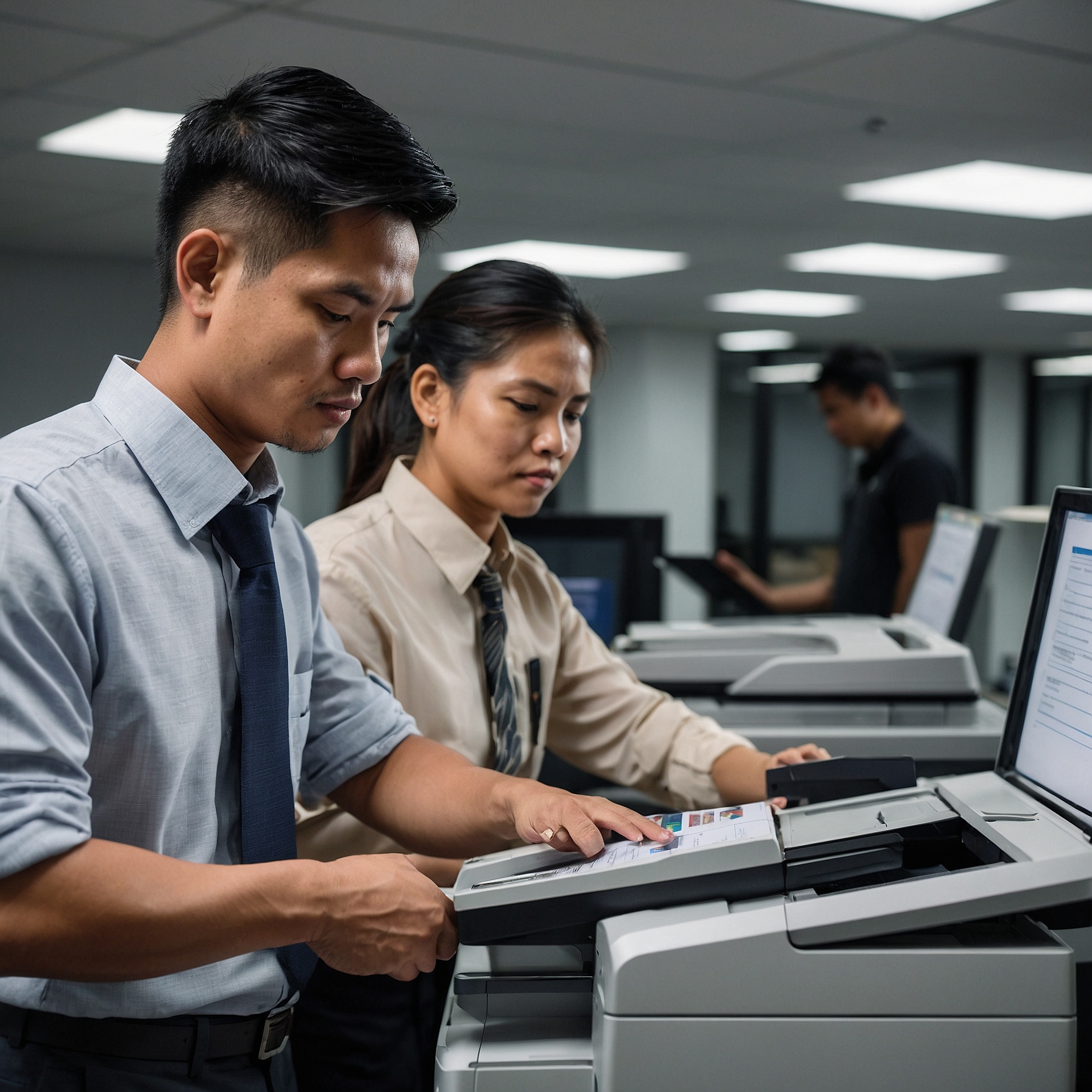
Important Considerations for Amendments and Modifications
In any contractual agreement, amendments and modifications are essential tools to adapt to changing circumstances or address unforeseen challenges. Whether it's a business contract, a lease, or a service agreement, understanding how and when to make amendments and modifications is crucial. This blog post will explore the key considerations to keep in mind when amending or modifying contracts, with a focus on ensuring that the process is smooth, legally binding, and aligned with your business goals.
What Are Amendments and Modifications?
Before diving into the specifics, let’s define what amendments and modifications are in the context of a contract.
-
Amendments are formal changes made to the original terms of an agreement. These changes can be significant or minor, depending on the nature of the contract and the reason for the amendment.
-
Modifications refer to alterations or adjustments in the performance of a contract. Modifications can include changes in the scope of work, price, timelines, or delivery terms, and they generally require mutual consent from all parties involved.
Both amendments and modifications serve to adjust the original terms to reflect new circumstances, but they differ in their scope and execution.
Why Are Amendments and Modifications Necessary?
There are several reasons why amendments and modifications are necessary in contracts. Some common scenarios include:
-
Changes in Business Conditions: As businesses evolve, so do their needs. For example, you may need to amend your copier rental agreement due to a change in your company’s scale, such as upgrading to higher-volume printing.
-
Unforeseen Events: External factors, such as a sudden increase in the cost of materials or a change in regulatory requirements, may necessitate an amendment or modification.
-
Mutual Agreement Between Parties: Sometimes both parties involved in the contract may agree to make adjustments that better suit their evolving needs.
-
Legal Compliance: Amendments may be necessary to ensure the contract remains compliant with new laws or regulations.
Understanding the circumstances that require an amendment or modification is the first step in ensuring that any changes to your contracts are well-grounded.
Key Considerations for Amendments and Modifications
When making changes to a contract, whether through amendments or modifications, several important factors must be taken into account to avoid misunderstandings or legal complications. Here are the most critical considerations:
1. Documenting the Change Properly
A common mistake when modifying a contract is failing to document the changes appropriately. Always ensure that amendments and modifications are written clearly and signed by all parties involved. This formal documentation should outline:
-
The specific clauses being amended or modified
-
The reason for the change
-
The date when the modification will take effect
-
Any new terms or obligations agreed upon by both parties
By having a clear and concise written record, you safeguard your business against future disputes or misunderstandings.
2. Obtaining Mutual Consent
For an amendment or modification to be legally valid, all parties involved must consent to the changes. If you’re the party proposing the change, be prepared to explain the reasons behind it and negotiate with the other party. For example, if you’re looking to modify a copier rental agreement due to a change in your business needs, you will need to communicate the new terms clearly and make sure the lessor agrees.
3. Ensuring Legal Compliance
Every amendment or modification must comply with local laws and regulations. Failure to comply can render the change void or even lead to legal consequences. Before making any modifications, it’s advisable to consult with legal counsel to ensure that the new terms are enforceable and align with legal standards.
For example, if your rental agreement includes clauses regarding payment terms, make sure that any changes align with consumer protection laws or financial regulations.
4. Impact on Existing Terms
Consider how the amendment or modification will affect the existing contract. For instance, will the changes impact the payment schedule or the delivery terms of the contract? Always evaluate the broader impact of any modifications to ensure the new terms don’t inadvertently create other issues.
If you are modifying the payment terms of a copier rental agreement, ensure that any changes don’t conflict with your business’s cash flow or budgeting strategies.
5. Consulting Stakeholders
In some cases, amendments or modifications may require approval from other stakeholders or decision-makers within your organization. For example, if your company has a finance team, it’s important to ensure they are involved in decisions that affect budgets or payment terms. Similarly, if the changes affect employees or suppliers, their input and approval may also be necessary.
6. Effect on the Contract’s Duration
Amendments can also impact the duration of the contract. For example, extending the terms of a copier rental agreement or adjusting the delivery deadlines can change the overall timeline of the agreement. It’s important to evaluate how the modification affects the contract’s timeframe and adjust it accordingly.
7. Reviewing the Modification Period
Some contracts may specify a period during which modifications can be made. Make sure that any proposed changes fall within this period, and if they don’t, you may need to renegotiate the terms or agree to new conditions.
How to Amend or Modify a Contract
Here’s a general step-by-step process for making amendments or modifications to an existing contract:
1. Review the Original Contract
Ensure you understand the terms, especially any clauses related to changes, amendments, or modifications.
2. Propose the Change
Discuss the proposed amendment or modification with the other party, outlining the reasons and the benefits for both sides.
3. Draft the Amendment or Modification
Once both parties agree, draft a written document detailing the changes. Ensure clarity and specificity to avoid ambiguity.
4. Sign the Amendment or Modification
Once the amendment or modification has been drafted, both parties should sign the document. This makes the change legally binding.
5. Keep a Record
Retain copies of the original contract and the amended agreement for future reference and potential legal protection.
Conclusion
Amendments and modifications are integral to keeping contracts up-to-date and relevant in changing circumstances. Whether you’re adjusting a copier rental agreement or any other business contract, it’s crucial to consider the above factors to ensure the changes are legally valid and reflect the needs of both parties. Always ensure that any changes are clearly documented, legally compliant, and agreed upon by all stakeholders to prevent future disputes.
For more information on important contract considerations, feel free to explore our resources on copier rental agreements, cost comparisons for renting vs. buying, and budgeting for copier rentals.
Learn more about effective cost-saving strategies in copier rentals by reading our guide on saving money on copier rentals or analyzing lease terms for cost efficiency.
For a deeper understanding of how to manage your rental agreements, watch this video.
Visit our homepage for further assistance with all your rental needs: Marga.biz.

Future Trends in Modifications: A Look into the Future
The world of modifications—whether in technology, business operations, or consumer products—has always been in constant evolution. As industries progress, trends emerge that shape the way we engage with products, services, and systems. In this blog post, we'll delve into the future trends in modifications, focusing on how they will impact businesses and consumers alike. We'll also touch upon areas such as cost-efficiency, technology integration, and how businesses can adapt to these shifts for a competitive edge.
Understanding Modifications in Today’s Context
Before diving into future trends, it’s essential to understand what modifications entail in today’s fast-paced world. At its core, modification refers to the process of altering or customizing an existing product, system, or service to better meet the needs of users or adapt to emerging technologies. In many cases, businesses make modifications to enhance efficiency, reduce costs, or improve user experience.
From adjusting business models to modifying products or services based on customer feedback, the goal of modifications is always to increase value, improve functionality, and stay ahead in a competitive market.
Technological Innovations Driving Future Modifications
One of the most exciting trends in modifications is the rapid growth of technology. Innovations like Artificial Intelligence (AI), the Internet of Things (IoT), and machine learning are at the forefront of shaping the future of modifications across industries.
-
Artificial Intelligence and Automation: AI-driven systems and automation are expected to streamline various processes in business operations. For example, AI-powered predictive maintenance is set to change how equipment and machinery are serviced. Companies will increasingly rely on AI to anticipate system failures and make real-time modifications before issues arise.
-
Integration of IoT in Modifications: The Internet of Things is becoming more integrated into our daily lives, particularly in business operations. IoT devices collect data that businesses can use to modify their processes, products, or services. For instance, connected printers and copiers can send real-time data on usage patterns, enabling businesses to adjust their strategies to minimize downtime and optimize efficiency.
-
Customization Through AI and Big Data: AI and big data are also enabling businesses to modify products or services to meet specific customer needs. This trend is especially relevant in industries like retail, where consumer preferences are constantly evolving. Companies can collect vast amounts of data, analyze it, and create personalized experiences for each customer. This level of customization has the potential to revolutionize how businesses engage with their clientele.
Modifications in Copier Rentals: Future Cost Trends
In the copier rental industry, one significant area of modification is the shift towards more cost-effective and flexible rental agreements. Businesses today are looking for ways to manage expenses while maintaining the functionality of essential equipment. The future of copier rental modifications will be driven by a few key factors:
-
Flexible Lease Terms: Gone are the days of rigid, long-term contracts. Future copier rentals will likely see more flexible terms, allowing businesses to scale up or down based on their needs. The flexibility in terms of the number of machines, rental periods, and service packages will empower businesses to manage their costs effectively. Learn more about how lease terms can be optimized for cost efficiency here.
-
Energy-Efficient and Eco-Friendly Models: As sustainability becomes a growing concern, businesses will modify their copier rental choices to include more energy-efficient models. Not only do these models lower energy consumption, but they also help reduce the overall environmental footprint. With increasing demand for eco-friendly solutions, copier rental companies will need to adjust their offerings to include models that comply with these green standards. Explore cost comparisons and options for eco-friendly rentals here.
-
Predictive Maintenance for Cost Savings: Predictive maintenance is becoming a game-changer in the copier rental industry. Instead of relying on traditional reactive maintenance, businesses can now take advantage of predictive technologies that monitor the condition of machines and flag potential issues before they cause significant disruptions. This modification helps to avoid downtime and lowers repair costs, making copier rental agreements more cost-effective in the long run. Find out how to save money on copier rentals with predictive solutions here.
Cost-Efficiency and Budgeting for Modifications
Another area where businesses will need to adapt in the future is in budgeting for modifications. As technology advances, businesses will need to be more strategic with their spending. However, it’s not just about making modifications to cut costs—businesses must find ways to innovate while ensuring that the changes made bring long-term benefits.
In copier rentals, for example, businesses will need to budget for modifications that allow them to take advantage of more advanced, energy-efficient equipment. As these modifications become more widespread, companies will need to account for potential upfront costs but weigh them against long-term savings in energy, maintenance, and operational efficiency.
Additionally, businesses must remain mindful of the hidden costs that come with modifications. While adopting new technologies may seem like an investment, it's important to analyze the full scope of costs—whether it’s in training, integration, or ongoing support. Read more about how to budget effectively for copier rentals here.
The Impact of Consumer Preferences on Modifications
Consumer behavior is one of the most influential factors in driving modifications. As consumers become more tech-savvy and conscious of their environmental impact, their preferences will dictate the direction in which businesses modify their offerings.
For example, the demand for customized and personalized experiences is on the rise. Businesses that don’t adapt to these changing preferences may find themselves falling behind their competitors. The modification of products and services to align with consumer expectations will be crucial in the future.
In the copier rental market, for instance, consumers may demand more advanced features like touchscreen interfaces, cloud integration, and wireless printing. Companies that fail to adapt to these expectations will struggle to stay competitive.
Conclusion
The future of modifications across industries is an exciting one. With the constant evolution of technology, businesses must be agile and proactive in making modifications that improve efficiency, cut costs, and enhance customer satisfaction. In industries like copier rentals, companies will need to embrace flexible leasing terms, energy-efficient models, and predictive maintenance to stay competitive and cost-effective.
As businesses continue to evolve, those that successfully adapt to future trends in modifications will not only remain relevant but will also thrive in an increasingly digital and eco-conscious marketplace.
For more insights on modifications and how they can transform your business, visit Marga Enterprises and check out this helpful video.