
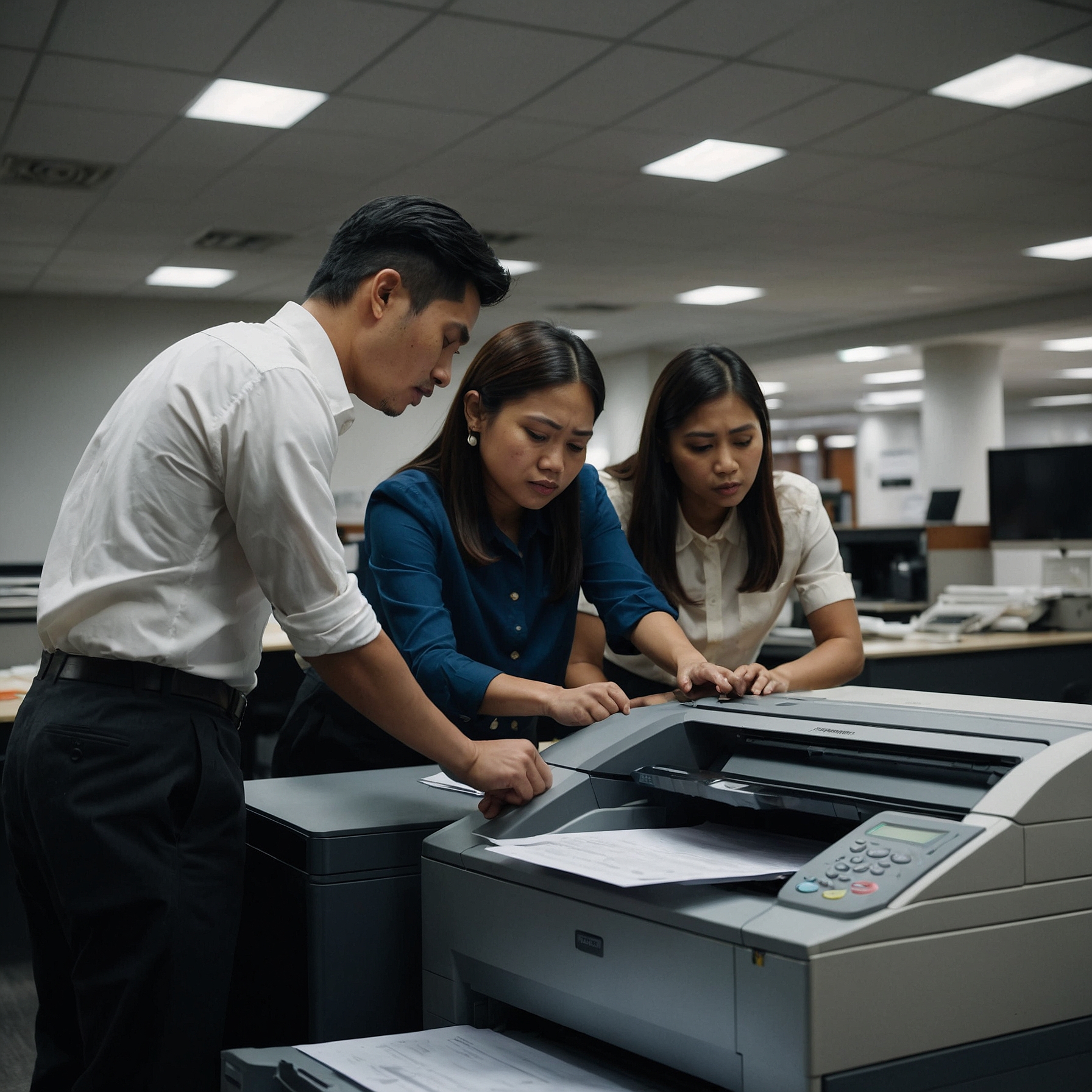
When it comes to acquiring office equipment—like copiers and printers—businesses often face a key decision: Should you rent or purchase? Each option offers a unique user experience and comes with its own set of benefits and trade-offs. In this blog post, we’ll explore the user experience: rental vs. purchase, covering key aspects such as cost, convenience, flexibility, and long-term value.
Whether you're a startup looking to save on upfront costs or an established firm optimizing operations, understanding the day-to-day impact of your choice is essential.
Understanding the User Experience
The user experience goes beyond simple ownership or leasing. It includes how easy the equipment is to maintain, how responsive the support is, and how smoothly the entire process—from acquisition to usage—fits into your workflow. Let's break down how rental and purchase options differ in real-world usage.
1. Initial Setup and Commitment
Renting: Fast and Flexible
Renting typically involves minimal paperwork, faster approval processes, and quicker installation. Providers usually offer ready-to-use machines with service agreements in place. This means you can start operating with little downtime or planning.
For example, companies that choose to rent often receive technical support and regular maintenance as part of the package, removing the burden from your internal team. Learn more about the convenience of rental vs. purchase here.
Purchasing: Slower But More Permanent
When you purchase, the process involves larger upfront costs and possibly more time spent researching, choosing, and financing the right model. You're fully responsible for setup, configuration, and future servicing.
This might be ideal for businesses with long-term stability and IT staff, but it could be a hurdle for small businesses that need to stay nimble.
2. Cost and Financial Experience
Renting: Predictable and Manageable
Rental agreements offer fixed monthly payments, making budgeting more predictable. You avoid the initial capital outlay and can allocate resources to other priorities like marketing, hiring, or expansion.
In fact, for growing companies, the flexibility of renting allows for upgrades as needed—without taking a financial hit. Explore more about financial planning with rentals.
Purchasing: Ownership Has Its Price
Buying equipment outright means you're investing capital upfront. While it might seem cost-efficient long-term, it ties up funds that could be used elsewhere. Additionally, maintenance and repair costs fall entirely on you after the warranty expires.
Some owners also find it challenging to keep up with technology upgrades, which can limit productivity if the device becomes outdated.
3. Maintenance and Support
Rental: Hassle-Free Maintenance
One of the strongest points in favor of renting is the hands-off experience when it comes to servicing. Most rental agreements include regular maintenance, on-site support, and even device replacement in case of breakdowns.
This reduces downtime and ensures business continuity—something that many users highlight as a major plus in rental-based setups.
Purchase: DIY Support Burden
With ownership comes responsibility. If something goes wrong, your internal team or third-party technicians will need to handle it. This might not be a problem for tech-savvy businesses, but for others, it introduces risk and added stress.
4. Flexibility and Scalability
Renting: Built for Growth
If your printing needs change frequently—such as during peak seasons or temporary projects—renting offers the ability to scale up or down without major commitments. Many businesses in the event or construction industry prefer this route for its adaptability.
Check out market trends for rentals vs. purchases to see how companies are evolving.
Purchasing: Good for Stability
Purchasing makes more sense if your operations are stable and predictable. There's no recurring monthly cost once the equipment is paid off, and you can use it for as long as it's operational. However, this model is less flexible if your business needs evolve rapidly.
5. Technology and Upgrades
Rental: Stay Up-to-Date
Rental agreements often allow for free or low-cost upgrades to newer models as part of the contract. This means you always have access to current technology, which boosts productivity and security.
Purchase: Prone to Obsolescence
Technology evolves fast. A purchased printer that’s top-of-the-line today may feel outdated in two years. Upgrading means selling the old equipment (usually at a loss) and buying again—adding complexity to your operations.
6. Real-World Insights: Case Studies
A number of businesses have shared their firsthand experiences comparing rental and purchase models. For example, one company found that renting cut their printing downtime by 40% thanks to included maintenance. Another startup said that purchasing gave them more customization control, but the repair costs over time were higher than expected.
You can read more case studies on rental vs. purchase here.
Summary: Which One Is Better?
| Category | Rental Experience | Purchase Experience |
|---|---|---|
| Setup & Installation | Fast and easy | Slower, more involved |
| Cost & Budgeting | Predictable monthly fees | Higher upfront cost |
| Maintenance & Support | Included and hassle-free | DIY or third-party |
| Scalability | Easily scalable for growth or seasonal needs | Fixed capacity |
| Upgrades | Access to latest technology | May become outdated |
| Ownership | Temporary use | Full ownership and control |
Final Thoughts
When considering the user experience: rental vs. purchase, it really comes down to your business model, cash flow, and operational priorities.
Choose rental if you value flexibility, minimal maintenance, and predictable costs.
Choose purchase if you prefer long-term ownership and have the resources to manage maintenance and upgrades yourself.
Both models have their place—what matters most is choosing the one that fits your workflow, team capacity, and future goals. And if you're still unsure, consult with a professional who can help assess your needs based on current usage and future projections.
To dive deeper into the financial side, visit our resource on planning your finances around rental vs. purchase.