
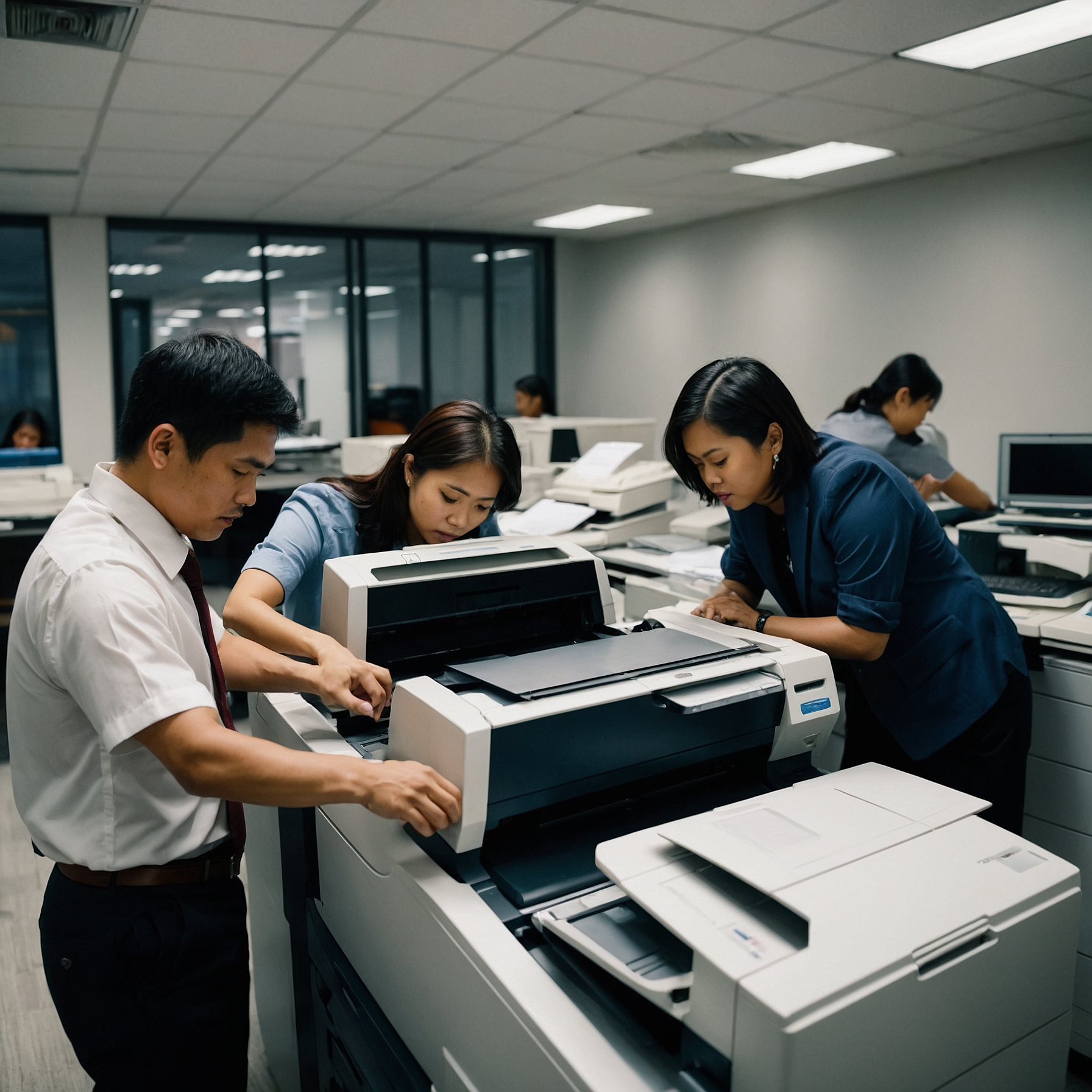
Printer rentals are an excellent solution for businesses that need high-quality equipment without the long-term commitment of purchasing. But before you sign any contract, it’s crucial to understand what you’re agreeing to—especially when it comes to liability. This guide breaks down everything you need to know about understanding liability in printer rentals, helping you avoid costly mistakes and ensuring peace of mind throughout your rental period.
What Is Liability in Printer Rentals?
In a rental agreement, liability refers to the responsibilities and risks assigned to either the renter (your business) or the rental provider. These responsibilities include damage, maintenance, theft, misuse, and non-compliance with contract terms.
If you’re not clear on who handles what, you could end up paying for issues that were avoidable. That’s why understanding liability in printer rentals is a key step before committing to any printer lease or rental deal.
Why Liability Clauses Matter
Every printer rental contract contains liability clauses that define:
Who is responsible if the printer gets damaged
What happens if the machine is stolen
Who pays for repairs and maintenance
What warranties apply (if any)
Penalties for improper use or early termination
These terms can significantly affect your operational budget and business continuity. You can explore common terms in more depth by checking key terms in printer rental contracts.
Common Liability Scenarios to Consider
Let’s take a look at several real-world situations where liability comes into play:
1. Accidental Damage
If an employee accidentally spills coffee on the printer, are you responsible for repair costs?
Most contracts will place this type of liability on the renter unless a damage waiver or insurance coverage is in place.
2. Wear and Tear
What about gradual decline in performance?
This usually falls under normal use and is covered by the rental provider’s maintenance plan. However, be sure to check your contract or explore warranty and service agreements for specific coverage.
3. Unauthorized Repairs
If you decide to hire your own technician, it may void the warranty or service clause, making you liable for any future issues. Always follow the service terms agreed upon in the contract.
4. Theft or Loss
In many cases, if the printer is stolen or lost while in your custody, you may be responsible for its full replacement cost. Clarify this in your contract to ensure you're properly insured.
Understanding Your Responsibilities as a Renter
As a renter, you are typically expected to:
Operate the equipment according to guidelines
Keep the printer in a secure, safe location
Inform the provider immediately in case of issues
Avoid any unauthorized repairs or modifications
Maintain the printer in good condition
These are often written in the contract under "Renter Obligations," and failing to meet them may result in penalties. For more about common clauses, visit common clauses in rental agreements.
How to Minimize Your Liability
Now that you understand the risks, here’s how to protect your business:
1. Review the Fine Print
Take time to go over the entire rental agreement. You can use this guide to understanding printer rental contracts as a checklist.
2. Negotiate Custom Terms
Some providers allow customization. For example, you might request a longer grace period before penalties apply. Learn how to tailor your agreement with this article on customizing printer rental contracts.
3. Add Equipment Insurance
Insurance may be offered by your provider or you can get a third-party plan. Make sure theft, fire, and accidental damage are covered.
4. Request a Liability Waiver
Some companies offer a liability waiver or damage protection plan for an additional fee. This can reduce your out-of-pocket costs in case something goes wrong.
What Happens in Case of Disputes?
Disagreements can happen, especially over what’s considered “normal wear” versus “user damage.” Good contracts include a clear dispute resolution process. This is usually handled through mediation or a third-party assessment. You’ll also want to understand how termination works by reviewing termination clauses in printer rental contracts.
Long-Term vs. Short-Term Liability
The length of your rental agreement can also impact your liability:
Short-term contracts often have higher per-month fees but may come with fewer obligations.
Long-term contracts may reduce your monthly cost, but they also come with stricter maintenance, liability, and termination clauses.
For a deeper comparison, explore contract length: short-term vs long-term.
Industry-Specific Liabilities
Certain industries have unique concerns. For example:
Healthcare: HIPAA compliance may add data security obligations.
Legal firms: Confidentiality breaches through printing errors can be a liability.
Learn more about tailored contracts in industry-specific rental contract considerations.
Case Studies: What Businesses Have Learned
In one case study, a marketing agency faced unexpected repair costs after letting a freelance staff member operate the printer without proper training. Their agreement didn’t cover third-party user damage.
In another case, a school secured a favorable liability waiver by committing to a long-term rental plan, saving them from paying out-of-pocket for damages caused by students.
Read more real-world examples in case studies: printer rental contracts.
Final Thoughts
Understanding liability in printer rentals isn’t just about legal safety—it’s about protecting your time, money, and peace of mind. Whether you’re renting for a few months or several years, make sure your agreement clearly defines responsibilities on both sides.
Before signing, ask questions, request modifications when needed, and always clarify the terms surrounding damage, theft, misuse, and maintenance. And if you’re ever unsure, refer back to resources like understanding liability in printer rentals.
Take Action Today
Review your current rental agreement or request a sample from your provider. Don’t wait for a problem to arise—get clarity now. Liability doesn’t have to be a risk if you understand your rights and responsibilities from the start.