
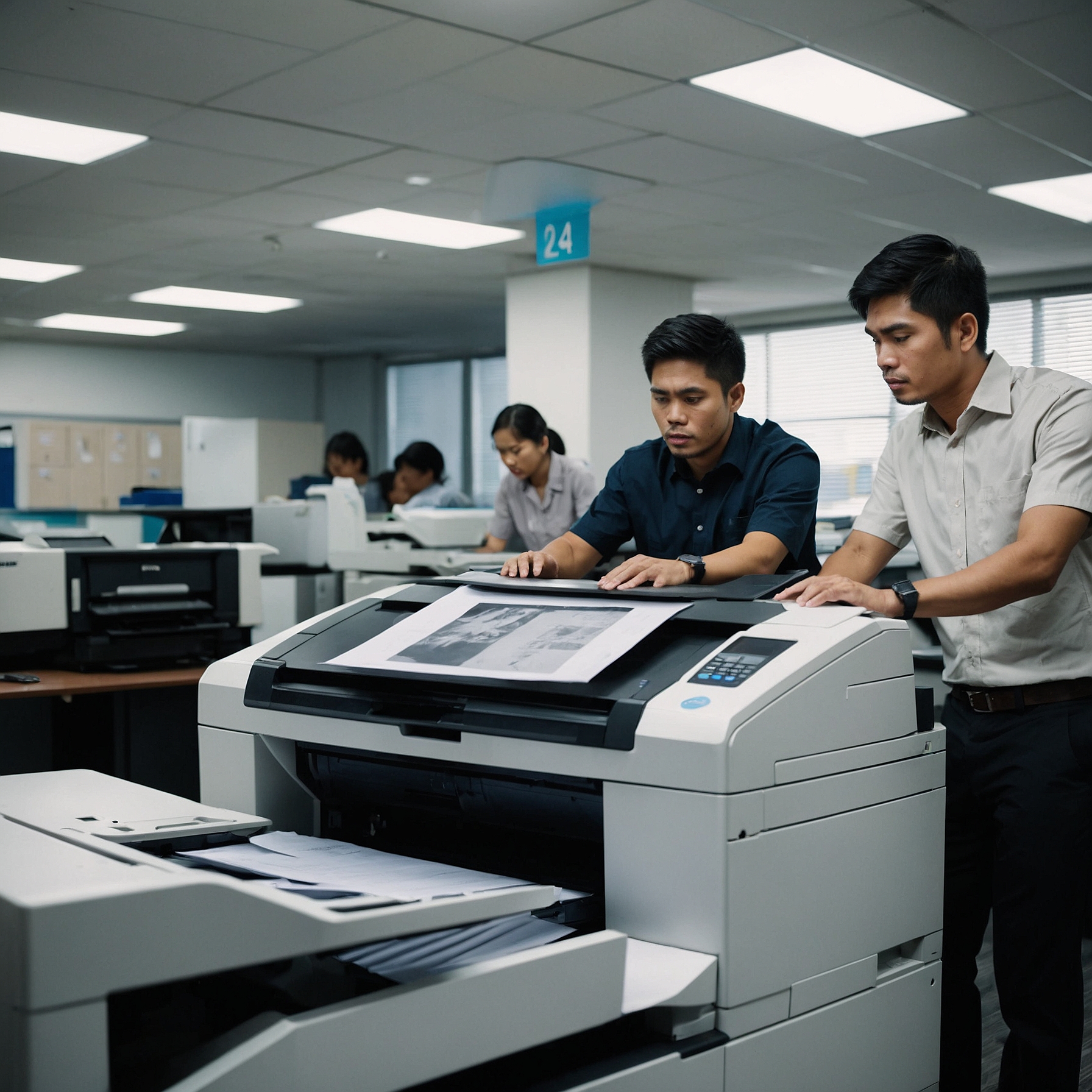
Sustainable Practices in High-Volume Printing
Focus keyword: Sustainable Practices in High-Volume Printing
Word count: ~1,500 words
In today’s fast-paced business world, high-volume printing remains essential for many organizations. From educational institutions to large-scale corporations, the need for efficient document production is constant. However, the environmental impact of large-scale printing—excessive paper use, high energy consumption, and non-recyclable waste—can be significant.
Thankfully, sustainable practices in high-volume printing are now more accessible than ever. Businesses are learning how to reduce their carbon footprint while still meeting productivity goals. In this blog post, we’ll explore key strategies, technologies, and best practices that can make high-volume printing more eco-friendly and cost-effective.
Why Sustainability Matters in High-Volume Printing
High-volume printing refers to producing thousands—even millions—of pages regularly. While essential for many operations, this practice consumes a considerable amount of resources.
Environmental Concerns:
Deforestation: Excessive paper usage contributes to the depletion of forests.
Energy Use: Traditional copiers and printers consume high levels of electricity.
Waste Generation: Toner cartridges, spoiled prints, and non-recycled paper contribute to landfill waste.
Adopting sustainable practices in high-volume printing is no longer optional. It’s a business imperative—for both environmental responsibility and operational efficiency.
1. Choose Energy-Efficient Printing Equipment
One of the most direct ways to promote sustainability is by using energy-efficient machines. High-volume copiers and printers with ENERGY STAR® certification consume less electricity and offer power-saving modes like sleep and auto-off.
Modern units also allow centralized print management, reducing idle printing and unnecessary reprints. For businesses looking to optimize operations, renting an efficient copier can be a cost-effective solution.
👉 Learn more about the impact of high-volume copiers on business operations and how they contribute to sustainability and productivity.
2. Use Recycled and FSC-Certified Paper
Paper remains the largest consumable in high-volume printing. Shifting to recycled or FSC-certified paper makes a significant difference in reducing deforestation and lowering emissions from paper production.
Paper Sourcing Tips:
Opt for 30% or more post-consumer waste (PCW) paper.
Check for FSC® certification (Forest Stewardship Council), which ensures sustainable forestry.
Train staff on how to load paper correctly to avoid jams and wastage.
Proactive paper supply management also reduces overordering and spoilage. You can explore more about managing paper supply for high-volume copiers.
3. Implement Print Management Software
Print management systems help organizations track and control printing activities. By setting printing limits and promoting duplex (double-sided) printing, companies can drastically reduce paper consumption.
Features to Look For:
User authentication to avoid unauthorized or accidental printing.
Reporting tools that analyze print volumes by department or user.
Default settings for black-and-white and duplex printing.
These solutions not only enhance security but also drive sustainability. It aligns printing behavior with environmental goals without affecting productivity.
4. Use Eco-Friendly Toner and Cartridges
Printer cartridges are often overlooked in sustainability efforts. Yet, millions of non-biodegradable toner cartridges end up in landfills each year.
Here’s how to reduce the impact:
Choose remanufactured or refillable toner cartridges.
Partner with vendors that offer cartridge recycling programs.
Use high-yield cartridges to reduce replacement frequency.
Some high-volume copiers now support toner recycling systems built into the machine itself. This minimizes toner waste and maintenance downtime.
5. Shift Toward Digital Alternatives
Not all documents need to be printed. Encouraging digital workflows wherever possible can significantly reduce overall print volume. Consider the following practices:
Send reports and memos via email or cloud-based platforms.
Store records digitally using secure document management systems.
Use e-signatures for approvals instead of printing documents.
Reducing unnecessary printing not only supports sustainable practices in high-volume printing but also saves money and time.
6. Conduct Regular Maintenance and Calibration
Poorly maintained machines often produce poor-quality prints, causing reprints and increased resource use. Preventive maintenance ensures that devices are running efficiently.
Sustainability Through Servicing:
Calibrate color settings to avoid waste from mismatched tones.
Clean printer heads and rollers regularly.
Schedule professional maintenance checks for optimized performance.
For industries that rely heavily on printing, such as schools or government offices, this step is especially important. See how high-volume copier rental for specific industries helps balance demand with eco-responsibility.
7. Educate Your Team
Sustainability starts with awareness. Even the most advanced equipment or best policies won’t work unless your team is committed.
What to Teach:
The importance of printing only when necessary.
Proper use of print settings to avoid accidental large runs.
Reporting maintenance issues to avoid reprints or delays.
Run internal campaigns or quick training sessions to build eco-conscious printing habits. The more your staff understands the impact, the more engaged they’ll be in your sustainability goals.
8. Consider Renting Instead of Buying
Buying a high-volume printer is a big investment—and often not the most sustainable choice. Renting allows you to access the latest, energy-efficient models without the long-term environmental impact of ownership and disposal.
Rental services often include:
Regular maintenance and servicing
Cartridge return programs
Machine upgrades to more sustainable models
For more insights on this, explore sustainable practices in high-volume printing through copier rentals.
Conclusion: A Greener Future Starts with Every Page
The environmental impact of printing doesn’t have to be overwhelming. By incorporating sustainable practices in high-volume printing, your business can take a big step toward eco-responsibility without sacrificing efficiency.
From switching to energy-efficient equipment and sustainable paper to optimizing usage through software and education, the path to green printing is more achievable than ever.
Start small. Track your progress. And remember: every page saved, every cartridge recycled, and every watt conserved contributes to a more sustainable future for your organization—and the planet.