
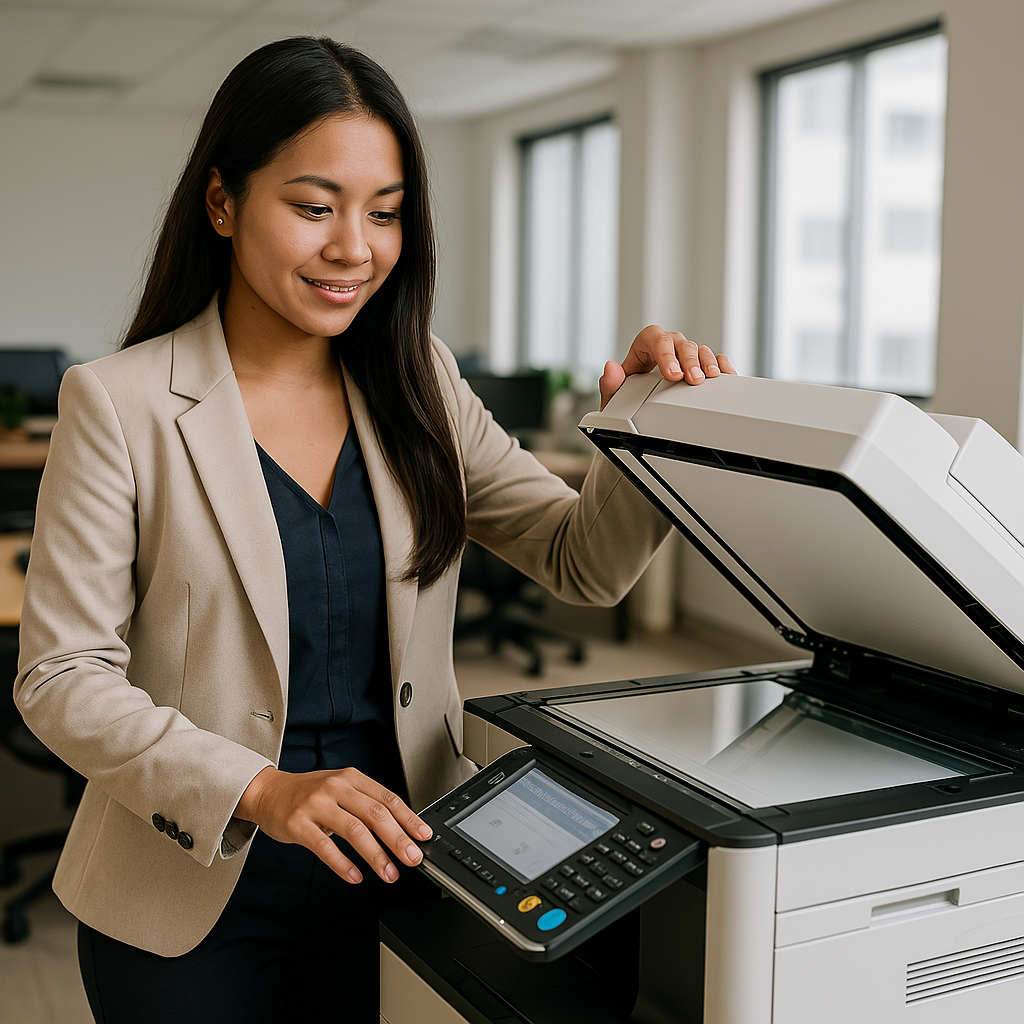
Short-Term vs. Long-Term Rentals: Understanding the Average Cost of Printer Rentals
When it comes to managing office equipment, particularly printers, more businesses are choosing to rent instead of buy. But as you explore printer rental services, one major decision you'll face is choosing between short-term vs. long-term rentals. Each option has its advantages and cost implications, depending on your business needs, event duration, or project scope.
In this post, we’ll break down the average cost of printer rentals, compare the benefits and drawbacks of short-term and long-term options, and help you decide which rental model fits your budget and operations best.
Why Rent a Printer Instead of Buying?
Before diving into costs, let’s quickly recap why many companies opt to rent:
Cost efficiency for temporary or seasonal needs
Access to modern, high-quality equipment without upfront investment
Maintenance and technical support are usually included
Scalability for growing or shifting business operations
Whether you're a startup managing cash flow or a large company handling a short-term event, printer rentals offer financial flexibility.
Short-Term vs. Long-Term Rentals: Key Differences
Both options serve specific needs. Let’s define them clearly:
Short-Term Rentals: Typically range from one day to a few months. Ideal for events, trade shows, or temporary office setups.
Long-Term Rentals: Generally extend from six months to several years. Perfect for ongoing office operations with predictable usage.
Each rental type impacts pricing, support, and contractual terms.
Average Cost of Printer Rentals
According to industry insights from Marga Copier Rentals, here’s what you can expect:
| Rental Type | Average Monthly Cost | Typical Use Case |
|---|---|---|
| Short-Term Rental | ₱3,500–₱7,000 | Events, seasonal work, or pop-up offices |
| Long-Term Rental | ₱2,000–₱5,500 | Corporate offices, schools, call centers |
Short-term rentals often cost more per month due to setup, delivery, and maintenance bundled into shorter periods. Long-term contracts typically offer lower monthly rates because costs are spread out over time.
You can explore more on these averages here.
Factors That Affect Printer Rental Costs
Several elements influence the total cost of your rental:
Printer Type and Features – Color, multifunction (MFP), and high-speed printers are priced higher than basic monochrome models.
Print Volume – Higher monthly output means higher-capacity machines and potentially higher costs.
Contract Inclusions – Check if consumables, paper, repairs, and maintenance are covered.
Delivery and Setup – Especially relevant for short-term rentals.
Location – Remote or outside major cities may incur extra charges.
Dive deeper into these pricing drivers here.
Short-Term Rentals: Pros and Cons
Pros:
Fast and flexible setup
No long-term commitment
Ideal for events, trials, or sudden needs
Cons:
Higher monthly cost
May involve one-time delivery/setup fees
Limited model availability during peak seasons
Need help budgeting for short-term printer use? Check out this guide.
Long-Term Rentals: Pros and Cons
Pros:
Lower monthly cost
Full maintenance and service support
Ideal for growing businesses and consistent needs
Cons:
Contract lock-in
Early termination fees
Less flexibility for tech upgrades during the term
Considering long-term financial impact? Learn about planning ahead here.
Hidden Costs to Watch Out For
Even with a seemingly good deal, rental contracts can include extra charges:
Excess usage fees for going beyond your page limits
Replacement toner or ink costs (if not included)
Service call fees in some short-term contracts
Insurance requirements for damage/loss
To avoid surprises, understand your full agreement. Here's a helpful article on hidden costs.
Cost-Saving Tips for Printer Rentals
Want to make the most of your rental budget? Consider these tips:
Assess print volume accurately to avoid overpaying for capacity
Choose the right plan (not just the cheapest) that includes consumables
Negotiate service response time if uptime is crucial
Look for bundled packages that combine printer + service + toner
More practical savings strategies are discussed here.
Industry-Specific Cost Considerations
Some industries have unique printing demands. For example:
Law firms need high-security and document tracking
Real estate offices require color printing for marketing
Educational institutions benefit from bulk printing packages
Get tailored insights in this industry-specific guide.
Which Is Right for You: Short-Term or Long-Term?
To decide, ask yourself:
Is your need project-based or ongoing?
Do you expect high or low volume?
Is flexibility or cost your top priority?
If your business is growing, a long-term rental provides stability and savings. But if you're hosting an event, testing a new branch, or dealing with short-term overflow, short-term rentals offer flexibility without commitment.
Final Thoughts: Print Smart, Spend Smarter
Whether you're looking at a day-long conference or planning for the next few years, understanding the difference between short-term vs. long-term rentals can save your business time and money.
Always compare not just the sticker price, but the total value—including service, consumables, and hidden costs. And don’t hesitate to ask your provider about bundling options or cost trends that may affect your long-term expenses.
For a full breakdown of pricing transparency and trends, explore this article.
Ready to explore printer rentals that fit your budget?
Visit Marga Copier Rentals to compare pricing, service plans, and the best rental options tailored to your business.