
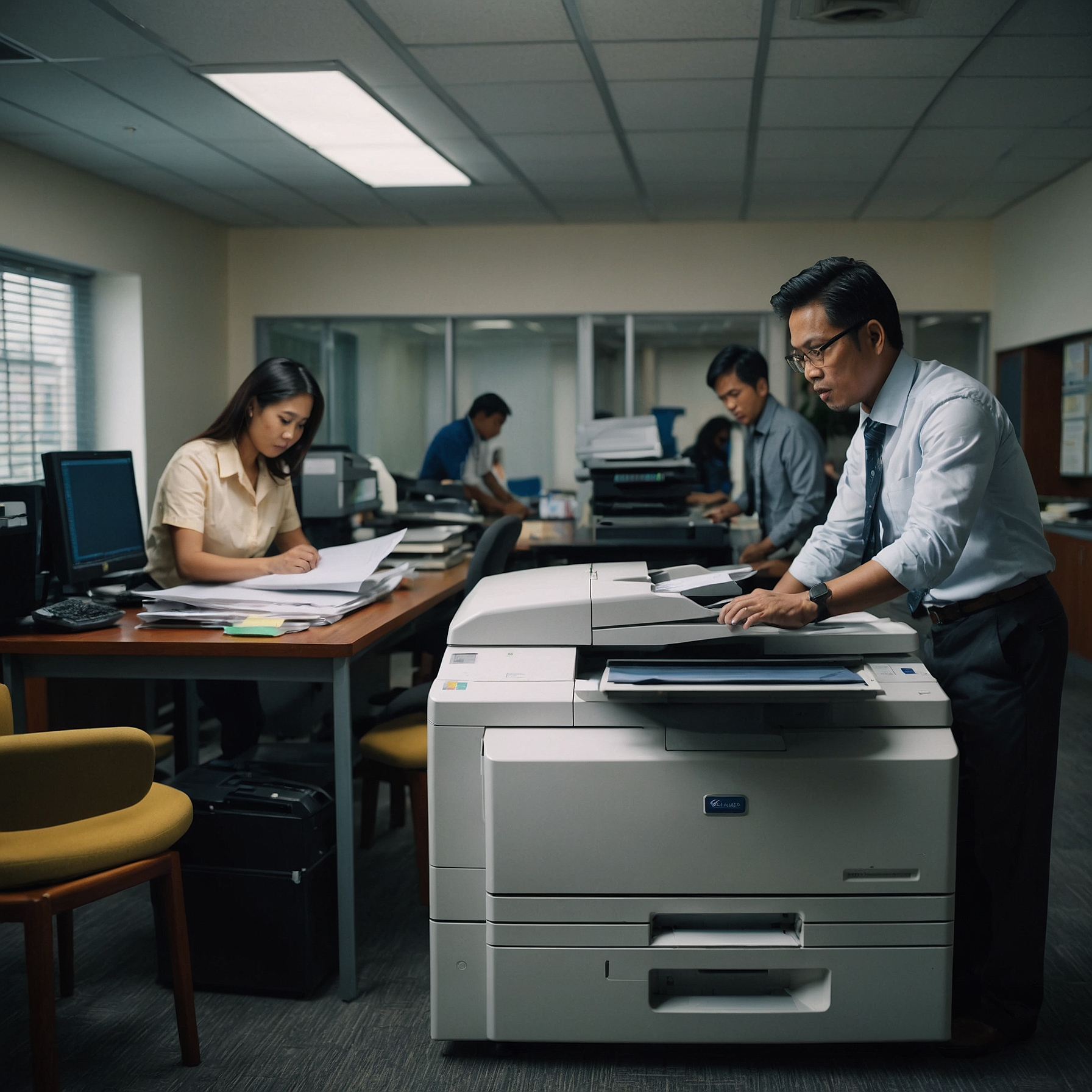
Setup and Logistics of Event Copier Rental
When planning an event, whether it’s a conference, convention, trade show, or seminar, ensuring that all logistical aspects are covered is key to a smooth and successful experience. Among the many considerations is the availability of equipment, including copiers. Event copier rentals are often an essential part of managing on-site printing, copying, and document distribution. This guide will take you through the setup and logistics of event copier rental, providing a simple and structured approach to ensure that everything runs smoothly.
Why Renting a Copier for Events Makes Sense
Renting a copier for an event makes sense for several reasons. First and foremost, it removes the need for your company or event organizers to purchase expensive equipment that may only be used for a short time. Additionally, renting allows you to access top-quality machines, better suited to high-volume tasks. Whether it’s for handouts, brochures, or quick document duplications, event copiers need to meet high expectations for performance and reliability. Setup and logistics of event copier rental ensure that your copier selection, delivery, and support are tailored to your event’s unique needs.
Step 1: Assessing Your Copier Needs
Before you start the rental process, it's important to assess your event's needs. Consider factors like the size of the event, the number of attendees, and the type of documents that will need to be copied. Are you expecting high volumes of printed materials? Will there be a lot of color printing, or is black and white sufficient?
Key Questions to Ask:
How many copies will need to be made during the event?
What types of documents will be printed (brochures, presentations, handouts)?
Will you need additional features such as scanning or faxing?
If you're unsure about the specifics, renting a copier that can handle a variety of functions, including color printing and duplex printing, is a good choice. Larger events, such as conferences with over 500 attendees, may require multiple copiers or higher-capacity models. On the other hand, smaller events may only need one or two units.
Choosing Copiers for Different Event Sizes can provide valuable insight into making the right choice based on event scale.
Step 2: Choosing the Right Copier Model
Once you know your requirements, the next step is to choose the right copier. It's important to match your needs with the capabilities of the copier. Factors to consider include:
Speed: For high-volume events, choose copiers with high output speeds to prevent delays.
Paper Capacity: Consider copiers with larger paper trays to reduce the frequency of reloading.
Connectivity: Make sure the copier is compatible with your devices, especially if attendees will be printing documents directly from their laptops or smartphones.
Size and Space: Ensure that the copier fits within your designated event space, keeping in mind whether it's in a high-traffic area or tucked away for back-end usage.
For a more in-depth look at what to consider when selecting copiers, take a look at Choosing Copiers for Different Event Sizes.
Step 3: Rental Agreements and Terms
Once you've chosen the copier(s) that fit your event's needs, it's time to set up a rental agreement. Copier rental agreements will vary depending on factors such as duration, volume, and the type of copier being rented. Be sure to review the agreement thoroughly, including:
Rental Rates: Different copiers come with different rental prices, and these can be affected by features and the length of the rental period.
Additional Costs: Some rental companies charge extra for maintenance, delivery, or overages on print volume.
Delivery and Pickup: Confirm whether the rental company provides delivery and pickup services. If not, you may need to arrange your own logistics.
Support and Maintenance: It’s essential to clarify if there’s 24/7 support or if you'll have to manage repairs if something goes wrong during the event.
For more information on rental rates, you can explore the Rental Rates for Event Copiers page, which outlines different pricing structures and rental options.
Step 4: Delivery, Setup, and Testing
The next step in the copier rental logistics is ensuring timely delivery, setup, and testing. Make sure the rental company delivers the copier at least a day before the event begins. This will give you enough time to:
Set Up the Copier: Position the copier in an easily accessible location for your event staff and attendees. Ensure it’s within reach of the necessary power outlets and has adequate lighting.
Test the Copier: Test the copier for basic functions, such as printing, scanning, and duplexing. Ensure that the print quality is high, and that the copier operates without any issues. This is also the time to troubleshoot any connectivity issues.
Prepare Supplies: Ensure that there are enough paper, ink, or toner cartridges for the copier's expected volume of use. It’s always better to have extra supplies on hand.
Step 5: Support During the Event
A crucial part of your event copier logistics is ensuring that there’s support readily available during the event. While most reputable rental companies offer 24/7 assistance, it's good practice to establish a point of contact before the event begins.
If something goes wrong, you’ll need to know how to handle:
Jams and Malfunctions: A copier breakdown can disrupt your event. Have backup plans in place, such as additional units or a dedicated support hotline.
Printer Queues and Paper Issues: Ensure that your staff is trained to clear jams and manage paper refills promptly.
Establishing good communication with the rental company and providing event staff with training on basic troubleshooting can prevent delays and keep things running smoothly.
Step 6: Post-Event Removal and Feedback
Once your event concludes, it’s time for the copier to be removed. Confirm the pickup time with the rental company and ensure that the copier is in good condition for collection. You may also want to provide feedback about the copier's performance, as this can help you make more informed decisions for future events.
If you plan on hosting multiple events, consider setting up a long-term rental relationship with the company. This can often lead to discounts, priority support, and more tailored services for your events.
Conclusion
The setup and logistics of event copier rental are essential elements that play a key role in the success of any event. By carefully assessing your needs, choosing the right copier model, understanding rental terms, and ensuring support during the event, you can avoid any potential hiccups and keep things running smoothly.
Remember, a successful event requires not only a good copier but also the right setup and logistics. Whether you're hosting a small conference or a large trade show, the right copier rental will help ensure that attendees can print, copy, and distribute documents efficiently.
For more information on the rental process and to choose the best copier for your event, visit the Choosing Copiers for Different Event Sizes page, or explore our Rental Rates for Event Copiers.
By planning ahead and keeping these logistics in mind, your next event copier rental will be seamless, efficient, and hassle-free.