
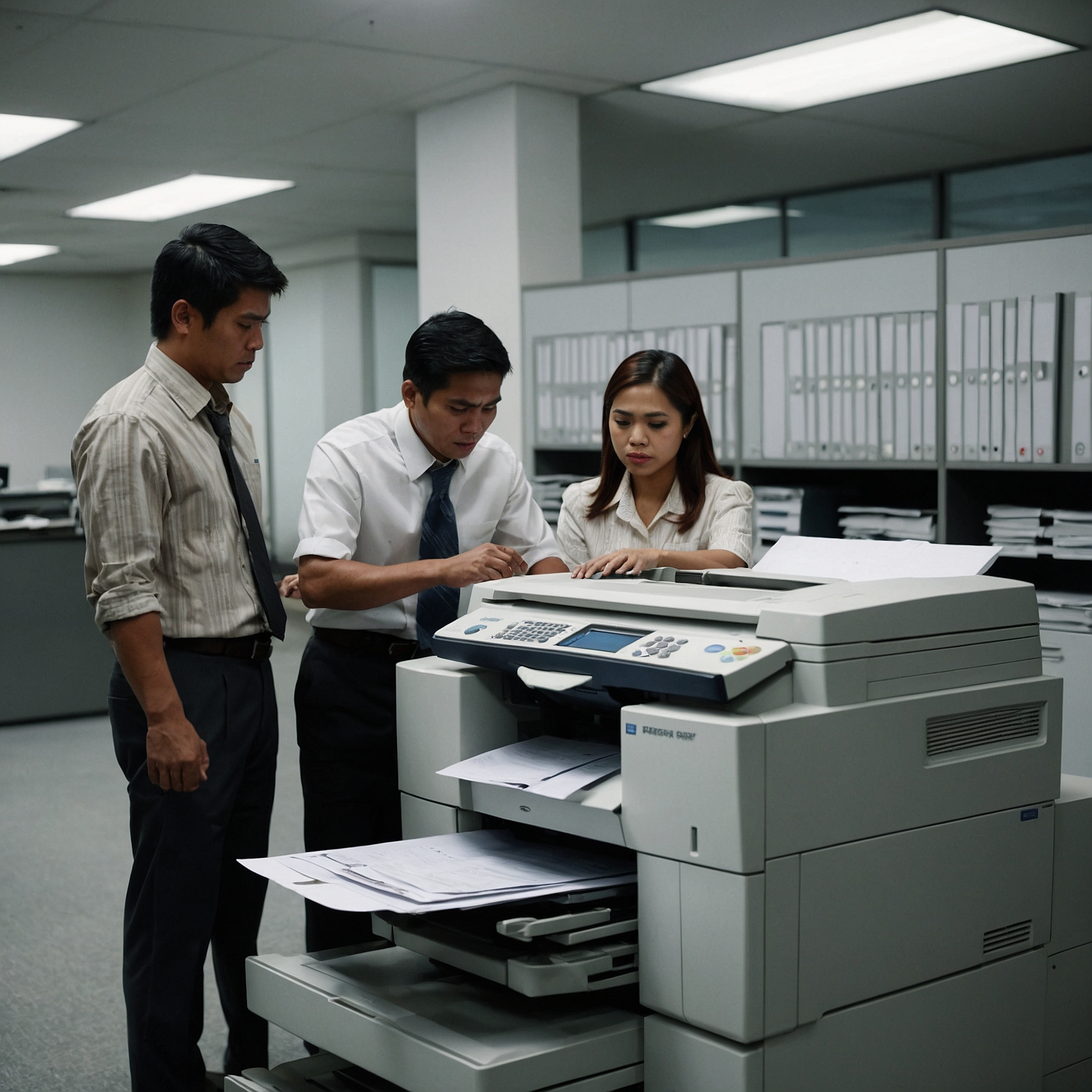
In today’s hybrid and fully remote work environment, one essential piece of equipment often overlooked is the printer. Whether you’re a freelancer, a corporate employee, or a small business owner working from home, a reliable printer can make all the difference in your productivity and document management. That’s why many professionals are now asking an important question: What’s better—renting vs. buying printers for remote work?
This article breaks down the key considerations, pros and cons, and future-proofing strategies in the ongoing debate on Renting vs. Buying Printers for Remote Work.
But a common question arises: Should you rent or buy a printer for remote work? This article breaks down the key considerations, pros and cons, and future-proofing strategies in the debate on Renting vs. Buying Printers for Remote Work.
Why Printers Still Matter in Remote Work
You might think, “Do I still need a printer in a paperless world?” The answer is: yes, especially if your work involves signing, scanning, or managing sensitive documents. Many professionals still rely on physical prints for contracts, invoices, legal documents, and secure backups.
Remote workers need cost-efficient, space-saving, and low-maintenance printers—and that’s where the decision between renting vs. buying becomes crucial.
The Case for Buying Printers
Buying a printer outright seems like a one-time, budget-friendly decision. Here are the advantages:
✅ Upfront Ownership
You pay once and the printer is yours. There’s no recurring monthly cost or contract commitment. For users with very light printing needs, this might seem practical.
✅ Full Control
Ownership gives you the freedom to modify or upgrade your equipment at any time, without the restrictions that often come with rental contracts.
✅ Long-term Use
If well-maintained, a good printer can last for years. For tech-savvy users who can handle maintenance and minor troubleshooting, this offers long-term value.
But the reality is not so simple.
Buying may lead to hidden costs:
Expensive ink replacements
Outdated models that become incompatible
No warranty or support after a few years
The Case for Renting Printers
As remote work becomes the norm rather than the exception, many professionals are leaning toward printer rental solutions that offer more flexibility and peace of mind.
✅ Low Upfront Cost
Instead of a large cash outlay, rentals allow you to pay a manageable monthly fee—perfect for freelancers, startups, and remote employees on a budget.
✅ Maintenance Included
Printer rentals usually come with free technical support, replacement parts, and regular maintenance. That means no worrying about ink levels, jammed paper, or costly repairs.
✅ Flexibility to Upgrade
Need a scanner? Color prints? Larger page capacity? Renting makes it easy to upgrade or downgrade your printer based on evolving needs without buying new equipment each time.
✅ Ideal for Temporary Setups
If your remote work setup is temporary or project-based, renting avoids long-term commitments and depreciation of equipment.
For more insights, explore this guide on long-term remote work printer solutions.
Renting vs. Buying Printers for Remote Work: Head-to-Head Comparison
| Feature | Buying | Renting |
|---|---|---|
| Initial Cost | High | Low |
| Maintenance | Self-managed | Included |
| Flexibility | Low | High |
| Upgrade Options | Costly | Easy |
| Best For | Long-term, low-use | Short to medium-term, scalable needs |
Questions to Ask Before Deciding
To make the right choice, ask yourself the following:
How often do I print per month?
Can I afford downtime for repairs or replacements?
Is my remote work setup temporary or permanent?
Do I have the technical know-how to maintain a printer?
Still unsure? Read this detailed comparison on Renting vs. Buying Printers for Remote Work to dive deeper into tailored solutions based on your work style.
Expert Reviews and Recommendations
If you’re leaning toward buying, choose a reliable model that balances cost and performance. If you’re considering rentals, work with providers that offer customizable packages for remote workers.
You can explore real customer feedback and expert picks in this helpful post on reviews of remote work printers.
Looking Ahead: Future Trends in Remote Work Printing
The remote work trend isn’t fading anytime soon—and neither is the need for printing. As more companies support hybrid models, the demand for portable, wireless, and cost-effective printing solutions is growing.
Expect to see:
Cloud-integrated printers
Eco-friendly models with low-energy use
Subscription-based print supply delivery
Fully managed print services for remote teams
Stay ahead by reading about future trends in remote work printer rentals and how to align your decision with upcoming innovations.
Final Thoughts: Which One Is Right for You?
Ultimately, your decision on Renting vs. Buying Printers for Remote Work depends on your usage, budget, and long-term work plans.
Choose buying if:
You have consistent, low-volume needs
You prefer full ownership and minimal recurring expenses
You’re tech-savvy and can handle your own maintenance
Choose renting if:
You value flexibility and support
You anticipate changing printing needs
You want to avoid large upfront costs and enjoy peace of mind
For most remote workers, renting provides a practical, scalable solution that evolves with your workflow and reduces technical headaches.
Explore more helpful guides: