
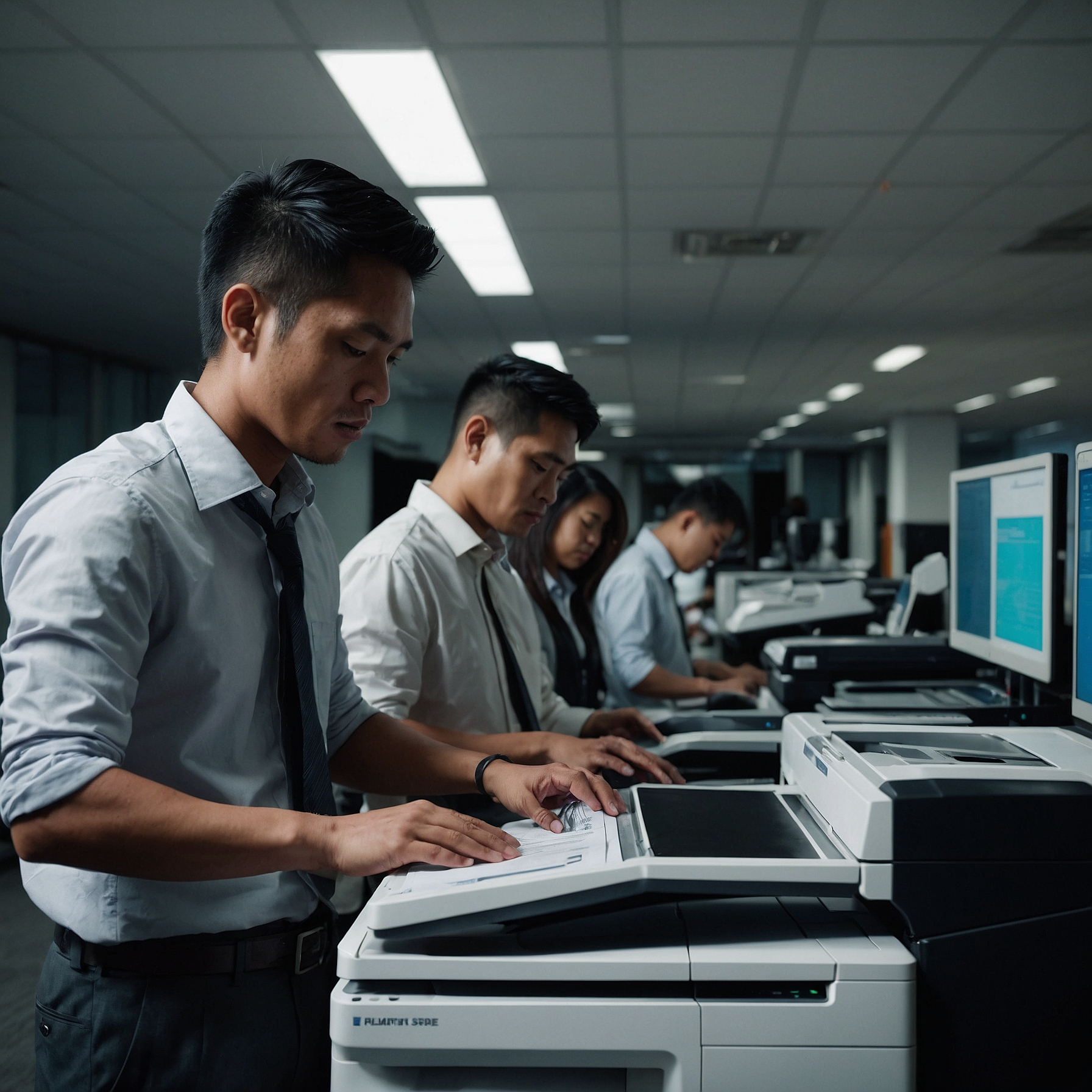
When it comes to equipping your business with essential tools like printers and copiers, the big question is always: Should you rent or buy? This Renting vs. Buying comparison explores the pros and cons of each option to help you make the smartest, most cost-effective decision.
Whether you're a small startup or a growing enterprise, understanding the financial and operational implications of renting versus buying can save you thousands in the long run.
Understanding the Basics
Before diving into the details, it’s essential to understand what each option entails.
Buying: You pay upfront (or finance) to own the equipment outright. You’re responsible for maintenance, repairs, and eventual upgrades.
Renting: You pay a monthly or quarterly fee to use the equipment. Most rental contracts include maintenance and upgrades.
Each has its merits depending on your needs, budget, and business structure.
1. Initial Costs and Budget Flexibility
One of the most significant differences between renting and buying is the upfront cost.
Renting
Low or no upfront cost.
Ideal for businesses with limited capital.
Predictable monthly expenses help with budgeting.
Negotiating printer rental costs can even lead to flexible payment terms that fit your cash flow.
Buying
High upfront investment.
May require financing or leasing options.
Asset appears on your balance sheet.
If your business has sufficient cash reserves, buying might make sense, but it ties up capital that could be used elsewhere.
2. Maintenance and Support
Another major factor in the Renting vs. Buying comparison is who handles upkeep and repairs.
Renting
Most rental agreements include full-service maintenance.
No surprise repair costs.
Fast equipment replacement in case of failure.
Understanding rental agreements and costs helps you know what services are included.
Buying
You’re responsible for all repairs and maintenance.
Long-term ownership can lead to expensive servicing fees as the machine ages.
You must schedule and manage service contracts.
Renting provides peace of mind, especially for businesses without in-house tech support.
3. Equipment Upgrades and Flexibility
Technology moves fast. How easy is it to keep up?
Renting
Easy to upgrade to newer models as part of your contract.
Adaptable to seasonal or growing demands.
You won’t get stuck with outdated hardware.
This flexibility supports long-term financial planning without having to worry about depreciation.
Read more about long-term financial planning for printer rentals.
Buying
You own the equipment—but that means you’re stuck with it.
Upgrading means selling or trading in older models (often at a loss).
Not ideal if your business scales quickly.
4. Cost Over Time
Let's talk about the total cost of ownership vs. the total cost of renting.
Buying
Typically cheaper in the long run if you use the equipment for many years.
But you bear the cost of depreciation, repairs, and upgrades.
Renting
Potentially more expensive over a long period, but it includes more services.
Predictable expenses allow for better financial forecasting.
Cost-effective for short- to medium-term needs or frequent tech updates.
A detailed cost analysis of renting vs. other solutions can help you calculate what fits your business best.
5. Tax Implications
Renting
Payments are considered an operating expense, which is fully deductible.
Great for companies looking to reduce taxable income.
Buying
Equipment may qualify for depreciation under Section 179 or similar local laws.
Requires more detailed accounting and tracking.
Always consult with your accountant to determine which option offers the best tax benefits for your situation.
6. Transparency and Hidden Fees
Transparency matters, especially in service agreements.
Price transparency in printer rentals ensures you know what you're paying for and what's included.
Ownership sometimes hides costs like installation, training, or service delays.
7. Industry-Specific Needs
Your choice might also depend on your industry:
A creative agency might need frequent upgrades to handle high-resolution prints.
A logistics company might need multiple basic printers that are easy to maintain.
Seasonal businesses may prefer short-term rentals for peak periods.
Check out industry-specific printer rental costs to see what others in your field are doing.
8. Market Trends and Insights
According to recent market research on printer rental costs, rental models are becoming more popular for startups and medium-sized businesses that prioritize flexibility and service.
Learn about cost trends in printer rentals to see how prices may shift over time.
Final Verdict: Rent or Buy?
| Factor | Rent | Buy |
|---|---|---|
| Upfront Cost | Low or None | High |
| Maintenance | Included | Your Responsibility |
| Equipment Upgrades | Easy and Flexible | Costly and Manual |
| Long-term Cost | Higher but predictable | Lower if used long-term |
| Tax Benefits | Operating Expense Deduction | Depreciation |
| Ideal For | Startups, growing businesses, short-term | Established businesses, long-term use |
Conclusion
The Renting vs. Buying comparison comes down to one thing: your business priorities. If you want flexibility, peace of mind, and predictable costs, renting is likely your best option. But if you’re looking for long-term savings and can handle the responsibilities of ownership, buying might be the better route.
Make the choice that supports your growth—not just today, but for the future.
Need help deciding? Talk to our team at Marga Enterprises for a cost consultation tailored to your business needs.