
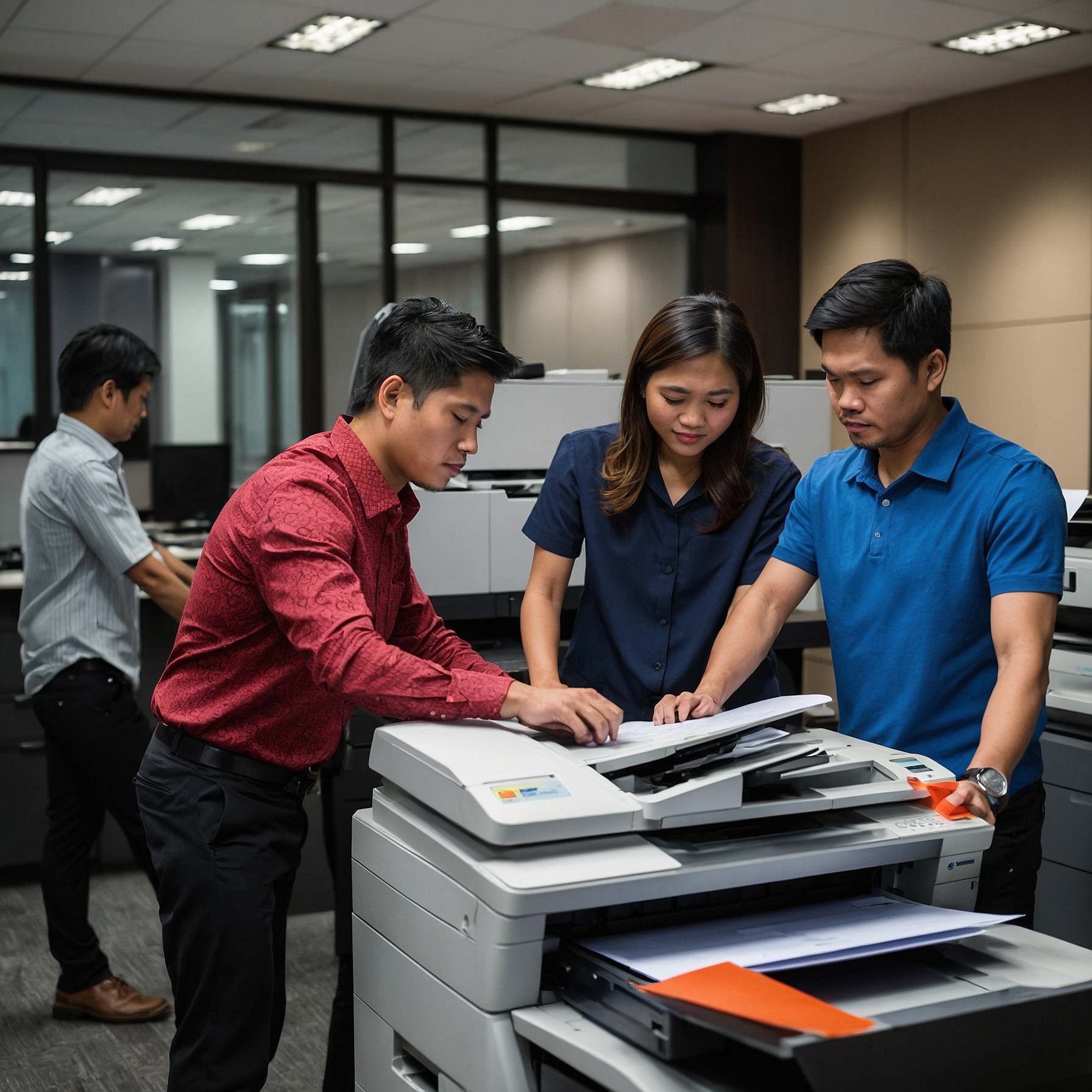
Printer Rental Market Trends: What's Driving Growth and Innovation in 2025
The printer rental industry is evolving rapidly to meet the changing needs of modern businesses. From startups to large corporations, more organizations are embracing rental solutions instead of investing in costly hardware upfront. Whether for sustainability, flexibility, or cost-efficiency, the printer rental market is gaining momentum—and the trends driving this shift are worth exploring.
In this blog post, we’ll examine key Printer Rental Market Trends in 2025, including what businesses are looking for, how providers are responding, and where the industry is headed. Whether you're an office manager, event coordinator, or IT decision-maker, understanding these trends can help you make smarter, future-ready choices.
Why Businesses Are Choosing Printer Rentals
Traditional printer ownership often comes with hidden costs—maintenance, consumables, obsolescence, and lack of scalability. Renting offers a smarter alternative for companies looking for:
Lower upfront costs
Up-to-date technology
Flexible terms
Built-in service support
Recent case studies highlight how companies have benefited from printer rentals across various industries. For instance, this collection of successful printer rental case studies shows real-world applications of printer rental solutions in retail, education, events, and healthcare.
1. Shift Toward Subscription-Based Printing
One of the biggest printer rental market trends is the rise of subscription-style rental models. Much like SaaS (Software as a Service), businesses are now opting for Printing-as-a-Service (PaaS)—a recurring plan that includes printer hardware, regular maintenance, ink refills, and sometimes even paper.
This model offers several benefits:
Predictable monthly expenses
Hassle-free technical support
Automatic upgrades when newer models are available
Top providers are adapting their offers to this trend. For an overview, check out this guide to printer rental providers.
2. Growth in Remote and Hybrid Work Solutions
The hybrid work model is here to stay, and it’s reshaping how businesses handle office printing. Many companies now opt for portable printer rentals, small-scale desktop units, or cloud-enabled devices that can be deployed in employees' homes or satellite offices.
Printers with wireless connectivity, app integration, and remote monitoring are now essential features. These devices support productivity in non-traditional work environments without sacrificing security or output quality.
3. Demand for Sustainable Printing Solutions
Eco-conscious practices are no longer optional. Businesses are actively seeking energy-efficient printers, low-waste consumables, and rental providers with green policies. The sustainability factor plays a major role in rental decisions.
This growing trend is supported by platforms like Sustainability in Printer Rentals, which explores how printer rental companies are reducing carbon footprints through responsible recycling, energy savings, and digital alternatives.
Examples of green features businesses now demand include:
Duplex (double-sided) printing
Ink-saving modes
Refillable toner systems
Energy Star certified machines
4. Increased Focus on Cost-Efficiency and ROI
Companies are becoming more budget-conscious than ever, especially in competitive sectors. Printer rental offers a leaner financial model with measurable ROI.
Instead of spending thousands on a high-end machine that may be underutilized, businesses can match their rental to exact output needs. Some providers even offer usage analytics and automated supply restocking, ensuring efficiency and no wasted resources.
In fact, many users have shared how they benefited from scalable rental plans in this roundup of printer rental customer reviews.
5. Integration with Business Technology
Modern printers are no longer standalone machines. They now integrate with:
Cloud services like Google Drive and OneDrive
Document management systems (DMS)
CRM and ERP platforms
This seamless integration improves document workflow, enhances security, and speeds up approval processes—especially for distributed teams.
In response to this, top vendors are offering printers pre-configured with connectivity features. The Top Printer Rental Companies are already providing machines that support digital transformation initiatives in offices of all sizes.
6. Rental for Short-Term Needs and Special Projects
Not every printer rental is for long-term office use. More and more businesses are renting printers for:
Trade shows
Conventions
Seasonal offices
Short-term project teams
This flexibility is crucial for companies that operate with variable needs throughout the year. It’s part of a wider trend of modular and on-demand services that cater to dynamic business environments.
7. The Future of Printer Rentals: AI and Automation
Looking ahead, printer rental services are incorporating AI-powered maintenance alerts, automated troubleshooting, and predictive supply ordering. These features reduce downtime and make rentals even more appealing.
To learn more about where this industry is headed, explore this article on the Future of Printer Rentals.
Expect to see:
Voice-activated printing
Biometric access for secure printing
Machine learning algorithms that adapt printer settings to user behavior
Conclusion: Stay Ahead with Smart Rental Choices
The printer rental industry is no longer a backup plan—it’s a smart, strategic option for modern businesses. The Printer Rental Market Trends in 2025 point to a more flexible, tech-savvy, and eco-conscious printing landscape.
Whether you’re looking to scale operations, reduce costs, or enhance your remote work setup, renting printers can help you do more with less. With top providers now offering cutting-edge features and customer-focused solutions, there has never been a better time to explore printer rental for your business.
Explore More Resources: