
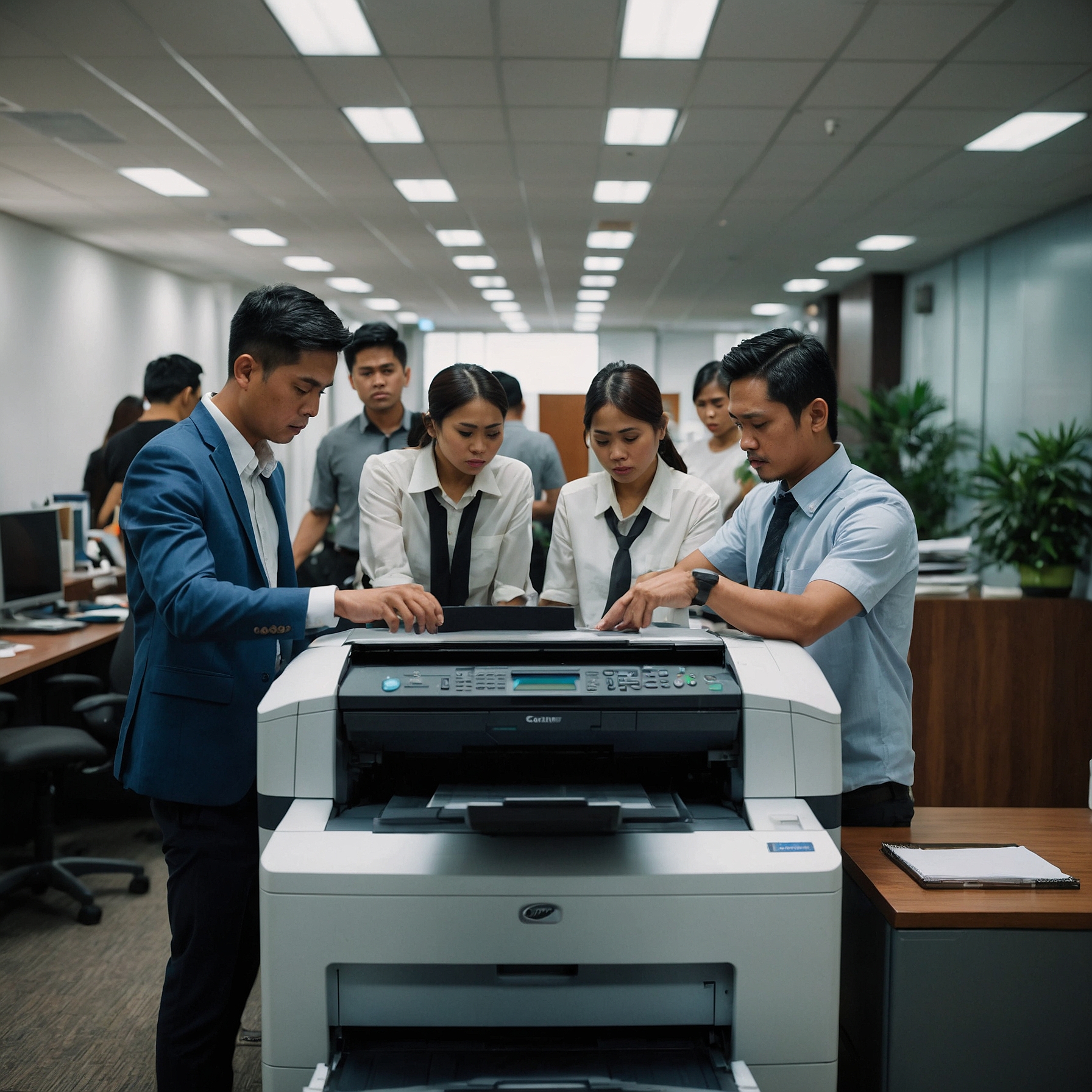
Printer Rental Financial Planning: A Smart Strategy for Every Business
When it comes to managing business expenses, printing costs often go under the radar—until they spike. Whether you're running a startup or managing a large office, printer rental financial planning plays a critical role in long-term cost efficiency and operational productivity.
Rather than buying a printer outright, many businesses opt to rent, spreading out costs while gaining access to modern equipment and maintenance support. But without a financial plan, even a rental can become a burden. In this article, we’ll walk you through how to plan your finances wisely around printer rentals to support business growth without overspending.
Why Financial Planning for Printer Rentals Matters
Printers are essential, but they aren’t cheap—especially when factoring in maintenance, consumables, and upgrades. Financial planning helps you:
Avoid overspending on unnecessary features
Manage monthly operating budgets
Align printer capacity with real needs
Prepare for contract renewals and upgrades
Maintain operational efficiency without surprise costs
With the right strategy, printer rentals can enhance business agility while keeping finances in check.
1. Start With Cost Awareness
The first step in printer rental financial planning is understanding the actual costs involved. These include:
Monthly rental fees
Setup and delivery charges
Maintenance and service fees
Consumables (toner, paper, etc.)
Overage fees for exceeding print volume
A comprehensive cost breakdown will allow you to compare packages and avoid hidden expenses. This resource on understanding rental agreements and costs is a great starting point for navigating printer rental pricing.
2. Analyze Needs Based on Usage
Not every business prints the same volume or type of documents. Financial planning should reflect your specific usage needs, such as:
Black & white vs. color printing
Average monthly page volume
Scanning and copying requirements
Department-specific needs
Planning around your actual usage helps you choose the right plan and avoid penalties for overuse—or overpaying for underused capacity. To compare cost efficiency, explore this guide on cost analysis: renting vs. other solutions.
3. Set a Monthly Print Budget
Set a fixed monthly print budget based on your cost analysis and rental plan. This gives you control and predictability, especially helpful when projecting quarterly or annual expenses.
Your budget should include:
Base rental cost
Estimated variable usage
Emergency maintenance buffer
Upgrade or replacement allowance (if applicable)
This proactive budgeting model can help you avoid last-minute financial shocks.
4. Factor in Long-Term Cost Trends
Printer rental pricing isn’t static. Changes in market demand, supply chain issues, or tech upgrades can influence rental fees. Including future cost trends in your financial plan prepares your business for upcoming changes.
For example, this article on cost trends in printer rentals offers insights into where the market is heading—and how to adapt accordingly.
If you’re planning to scale your business in the next 2–5 years, this kind of foresight will help you secure better contracts or renegotiate favorable terms.
5. Understand Contract Terms Before Committing
Before you sign any rental agreement, ensure you understand the fine print:
Minimum contract length
Termination penalties
Monthly print limits
Service and repair turnaround times
Upgrade or trade-in options
Financial planning isn't just about money—it's about avoiding risks. This guide on negotiating printer rental costs explains how to ask the right questions before you commit.
6. Customize Your Plan by Industry
A school’s printing needs are different from a law firm’s or a real estate company’s. Industry-specific cost planning ensures you don’t overpay for features you don’t need—or miss out on critical functions.
Learn how your sector compares with this resource on industry-specific printer rental costs.
7. Don’t Forget Market Research
Market research helps you evaluate competitive pricing and package features across different vendors. Knowing the average costs others pay in your area or industry can be a powerful negotiation tool.
Refer to this overview of market research on printer rental costs to make informed decisions.
8. Monitor and Adjust Regularly
Printer usage and business needs evolve. Schedule regular reviews (monthly or quarterly) to:
Check for under/over-usage
Track consumable expenses
Review service performance
Reassess whether your current plan still fits
If needed, use these insights to renegotiate or upgrade your rental package. This proactive approach protects your budget and improves efficiency.
9. Seek Transparency From Providers
Choose rental partners who offer transparent pricing and full disclosure on costs. Avoid vague or bundled pricing that hides hidden fees.
Check out this guide on price transparency in printer rentals to learn what to expect from a reliable provider.
10. Plan for Growth: Long-Term Financial Strategy
Lastly, plan for the long haul. As your business grows, so will your printing needs. A smart financial plan includes:
Scheduled upgrade reviews (e.g., every 12 or 24 months)
Projections for future print volumes
Transition plans if you move offices or expand teams
Vendor flexibility for scaling
Learn how to align your printer strategy with business growth in this article on long-term financial planning for printer rentals.
Conclusion
Printer rental can be a smart, flexible solution—if you plan it right. With thoughtful printer rental financial planning, your business can save money, avoid waste, and stay operationally efficient.
By understanding your needs, budgeting accordingly, and choosing transparent providers, you gain control over printing expenses and ensure that your office stays productive—without breaking the bank.
Ready to take control of your printer rental finances?
Explore the resources linked throughout this guide to make informed decisions and build a printer rental strategy that fits your business goals.