
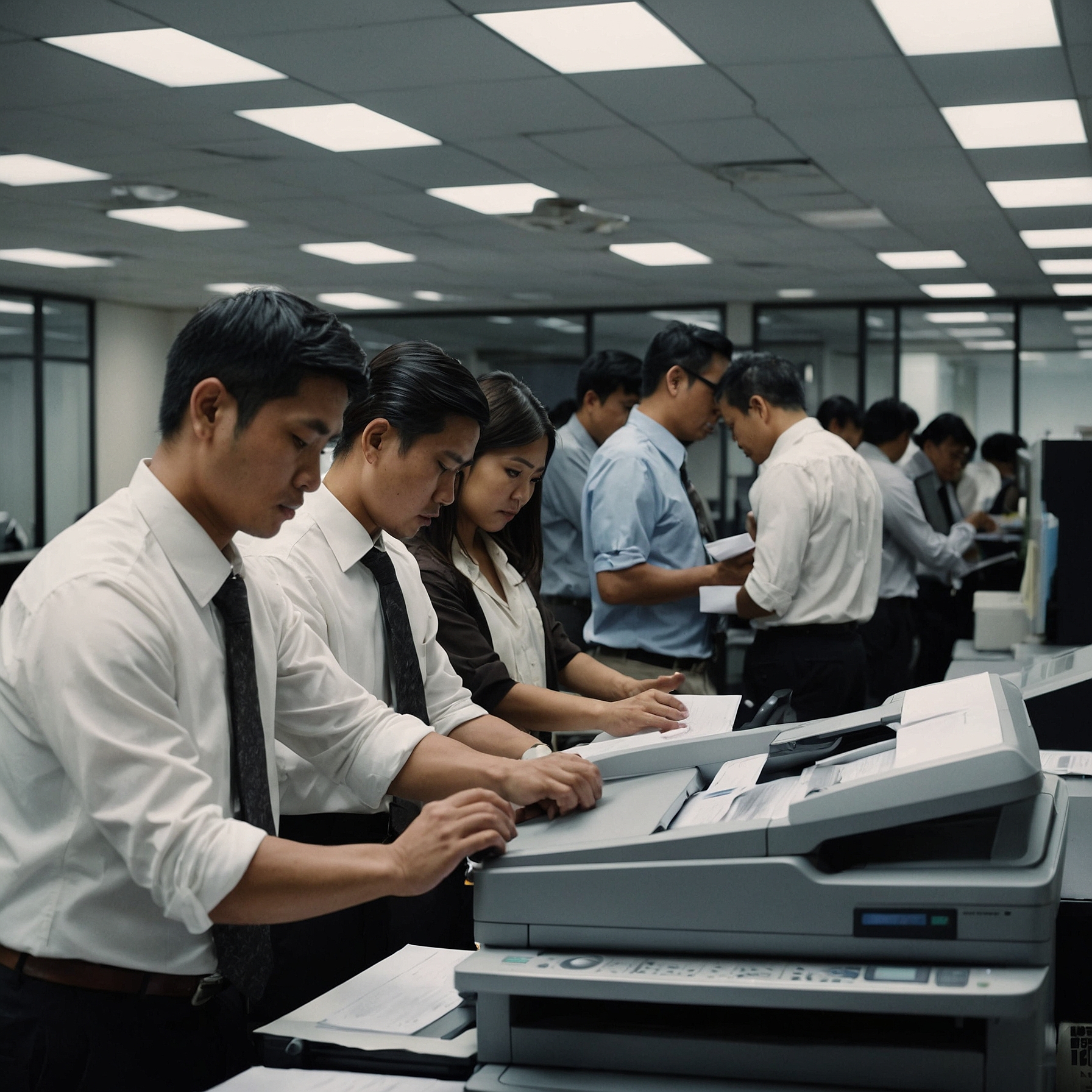
When it comes to managing office operations, having the right equipment is crucial for efficiency and productivity. One of the key pieces of equipment for many businesses is the office copier. However, purchasing an office copier outright can be a significant financial investment. This is where office copier rental costs come into play. Renting an office copier can offer businesses a more flexible and cost-effective solution. In this post, we’ll break down the various factors that influence office copier rental costs, along with helpful insights to guide your decision-making process.
The cost of renting an office copier can vary greatly depending on several factors. Understanding these factors can help businesses make informed decisions that fit their budget and needs.
1. Type of Copier
There are different types of office copiers available, ranging from basic models to high-end multifunction devices. Office copiers can come with varying features such as color printing, scanning, faxing, and even document management solutions. Naturally, copiers with more advanced features will generally come at a higher rental cost. You’ll also need to consider whether you need a desktop model for a small team or a floor-standing model for a larger office. Read more about the types of office copiers here.
2. Monthly Usage
The amount of copying, printing, and scanning your office does each month directly impacts the rental price. Most copier rental services offer tiered pricing based on the estimated monthly usage, often measured by the number of copies or prints. If your office needs to print a high volume each month, expect to pay a higher rental fee. Some providers may offer cost-per-copy pricing, while others may have an all-inclusive monthly fee.
3. Lease Term
Office copier rental costs also depend on the length of the lease term. Longer-term contracts typically come with lower monthly payments, while shorter-term contracts may be more expensive. However, committing to a long-term lease may not always be the best choice if your business needs change frequently or if you anticipate a reduction in copier usage. Weigh the pros and cons of a short-term vs. long-term lease before making a decision.
4. Additional Features and Add-ons
In addition to the base rental cost, there may be additional fees for extra features or services. Some businesses may require optional add-ons such as:
Remote monitoring services to keep track of copier performance and maintenance needs. Learn about remote monitoring of office copiers here.
Copier training for office staff, ensuring everyone knows how to operate the machine efficiently and prevent unnecessary breakdowns. Get more details on copier training here.
5. Maintenance and Repairs
Most copier rental agreements include basic maintenance services, but some providers may charge extra for repairs or consumables (like toner and paper). Be sure to understand what is covered under your rental agreement and whether you’ll incur additional costs for repairs, replacement parts, or supplies.
6. Location and Vendor
The rental cost can also vary depending on where your business is located. Different regions and countries have varying pricing models, as well as competition among service providers. It’s important to get quotes from several vendors to ensure you’re getting the best deal.
How to Evaluate Your Office Copier Needs
Before jumping into a copier rental agreement, it’s essential to evaluate the specific needs of your office. Understanding what features you need, how often the copier will be used, and whether additional services like training or remote monitoring are necessary will help you choose the right copier at the right price. Check out our guide on evaluating your office copier needs here.
Benefits of Renting an Office Copier
Renting an office copier comes with several advantages, especially for businesses that need flexibility and cost-effective solutions.
1. Lower Upfront Costs
Unlike purchasing a copier outright, renting allows businesses to spread the cost over time. This is particularly beneficial for small businesses or startups that need the equipment but may not have the capital for a large upfront investment.
2. No Maintenance Worries
Most copier rental agreements include regular maintenance and repair services. This means that your office copier will always be in working order without having to worry about maintenance schedules or unexpected repair costs.
3. Access to the Latest Technology
By renting, your business can always access the latest copier technology without being tied to an outdated machine. This ensures that your office operations run smoothly, with access to faster, more efficient equipment.
4. Flexible Terms
As business needs change, so do copier requirements. Renting a copier gives you the flexibility to upgrade or downgrade your equipment without the long-term commitment associated with purchasing.
How to Lower Office Copier Rental Costs
While the costs of office copier rental vary, there are ways to reduce the overall expense:
Assess your usage: Make sure you are not overpaying for unnecessary print volume. A cost-per-copy plan might be more suitable for your needs.
Shop around: Get quotes from multiple vendors and negotiate terms. Many rental companies are willing to adjust pricing, especially for long-term customers.
Choose the right copier: Avoid renting an overpowered copier that your office doesn’t need. Opt for a copier that fits your office’s workflow and demands.
Conclusion
Renting an office copier is an excellent option for many businesses. By considering factors like the type of copier, your office’s monthly usage, and additional services required, you can make an informed decision that suits both your operational and financial needs. Whether you’re looking to save on upfront costs or ensure your copier is always well-maintained, renting offers significant benefits. Just be sure to evaluate your specific needs and shop around for the best deal.
For more information on making the right copier choice for your business, check out the additional resources provided.