
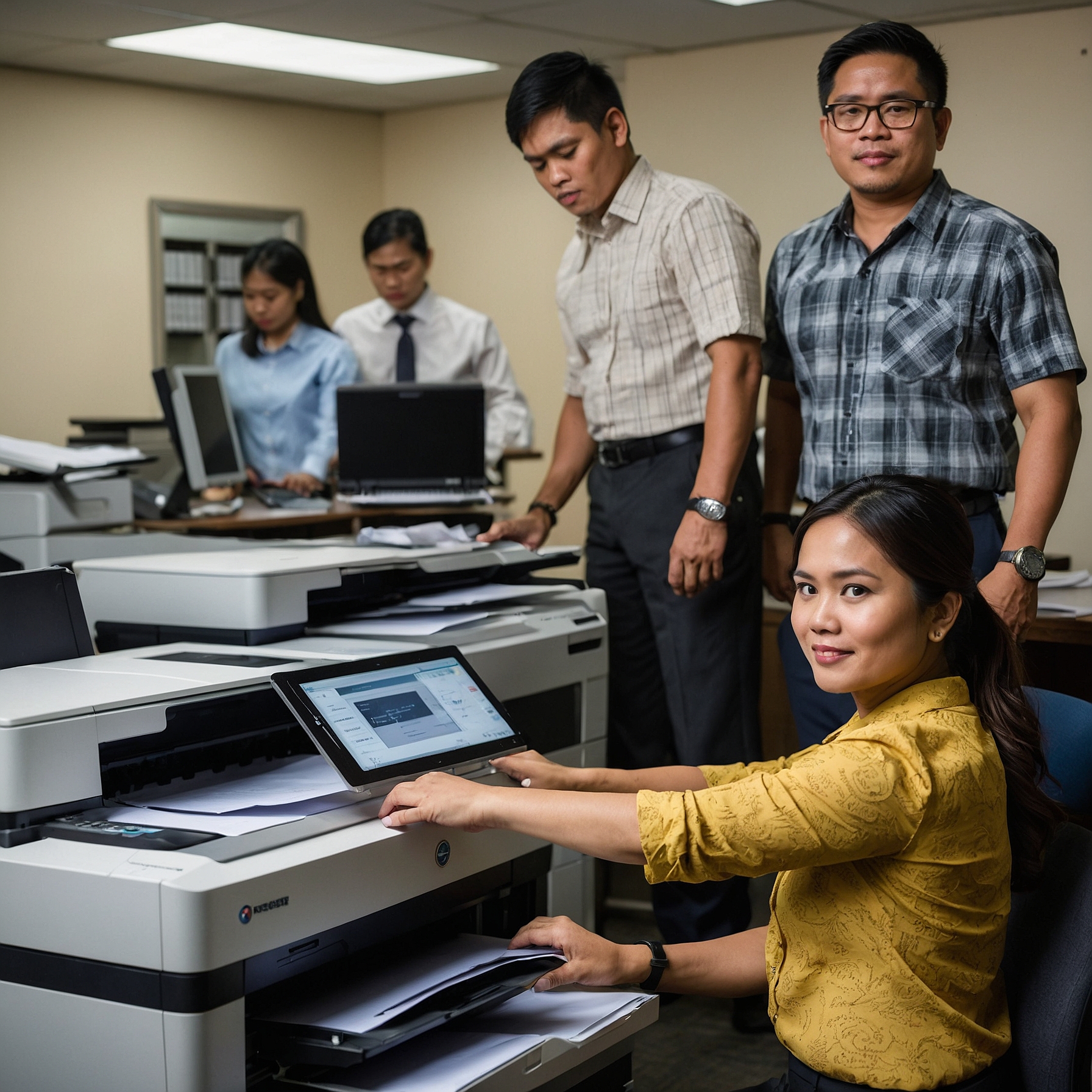
Managing Paper Supply for High-Volume Copiers: A Complete Guide
In any office or organization with intensive printing demands, managing paper supply for high-volume copiers is essential. When your copier fleet is handling thousands of pages daily, a consistent and efficient paper management strategy ensures smooth operations, minimizes downtime, and controls costs. This guide will help you understand how to streamline your paper supply and maintain productivity in high-output environments.
Why Paper Supply Management Matters
High-volume copiers are designed for businesses and institutions that print in bulk—such as schools, print shops, law firms, and government offices. These machines can handle tens of thousands of pages per month, but even the most advanced copier can't function without a reliable supply of quality paper.
Without proper paper management:
Your operations may face unexpected delays.
Copier parts may wear out faster due to poor paper quality.
Print quality and overall performance may be compromised.
Whether you own or rent your machines, managing paper supply for high-volume copiers should be a top operational priority.
Assess Your Monthly Paper Usage
Before you can manage paper effectively, you need to know how much you actually use. Track your monthly output across departments. For example:
Administrative tasks: reports, memos, schedules
Marketing: brochures, flyers, promotional prints
Billing: invoices, statements, receipts
Estimate your average number of printed pages per month, and plan for at least 10–15% buffer stock to handle emergencies or seasonal surges.
Choose the Right Paper Type and Quality
Not all paper is the same. High-volume copiers perform best with paper that meets the machine’s specifications for weight, brightness, and thickness.
Here are a few paper features to keep in mind:
Weight: For general office printing, 70–80gsm is standard.
Brightness: Higher brightness (above 90) produces sharper prints.
Finish: Matte paper is ideal for text; gloss or coated paper is better for high-quality images.
Using high-quality paper also helps reduce jams and wear on internal components. For long-term cost savings, it’s better to use paper designed specifically for copiers rather than lower-cost, multipurpose alternatives.
Organize Paper Storage and Inventory
Once you know what paper to use and how much, the next step is to store it correctly.
Tips for effective paper storage:
Keep paper in a cool, dry place to prevent warping and moisture absorption.
Store reams flat and sealed in their packaging until ready to use.
Use First In, First Out (FIFO) to avoid stale or damaged paper.
A well-organized storage area minimizes waste and improves supply accuracy, which is vital in high-output environments.
Automate Paper Ordering and Monitoring
Modern office systems make it easier than ever to stay on top of supply levels. Many high-volume copiers include sensors that monitor paper tray usage and alert staff when supplies run low.
To go one step further:
Set reorder alerts with your office supply vendor.
Use inventory management software that integrates with your copier usage data.
Consider subscription-based paper delivery services for fixed monthly needs.
These automation solutions ensure you never run out of paper and reduce the risk of downtime.
Train Your Staff on Proper Handling
Even the best supply system can fail if staff mishandles paper. Train employees on:
Loading paper correctly into trays
Checking for damaged sheets before use
Avoiding overfilling trays, which can lead to jams
Clear labeling of different paper types (e.g., A4, legal size, glossy paper) also helps prevent errors and speeds up the print process.
Consider a Copier Rental Solution
If you find that managing high-volume printing, including paper supply, is becoming a burden, it might be time to consider outsourcing. Rental solutions often come with managed paper supply and maintenance support.
Marga Enterprises offers full-service high-volume copier rentals that can help reduce internal workload. You’ll benefit from:
Flexible paper supply options
Equipment optimized for large print volumes
Maintenance and feedback systems for continuous improvement
Reducing Costs Without Sacrificing Quality
Managing paper efficiently can significantly reduce printing costs. Pair that with renting a high-volume copier and you may save even more. Reducing costs with high-volume copier rentals is not only about the machine but also about operational support—like paper supply management, preventive maintenance, and usage monitoring.
Embracing Modern Copier Technology
Advanced high-volume copiers come equipped with smart trays, paper sensors, and usage analytics. These features can help forecast supply needs, reduce waste, and avoid errors.
If you're comparing models, check out this guide on advanced technology in high-volume copiers. Understanding which features best support your paper supply needs can help you make an informed rental or purchase decision.
Digital vs. Traditional High-Volume Copiers
Your paper supply strategy may also depend on the type of copier you use. High-volume digital copiers vs. traditional models differ in speed, resolution, and paper handling capabilities. Digital units often support better automation for paper management and provide data for smarter restocking decisions.
Continuously Improve Through Feedback
Paper usage trends evolve over time. You may notice waste patterns or seasonal demand spikes. This is why it’s helpful to regularly review and improve your system. Collecting user feedback and analyzing copier usage reports helps in refining supply strategies.
To learn more about implementing a continuous improvement model, read Feedback and Improvement for Copier Rentals.
Final Thoughts
Managing paper supply for high-volume copiers may seem like a small task—but it has a big impact on daily productivity and cost-efficiency. By understanding your needs, organizing storage, training staff, and exploring automation or rental solutions, you can keep your copier fleet running at full capacity.
Whether you’re managing an in-house print department or a growing business with high print demands, taking paper supply seriously means fewer interruptions and a more professional workflow.