
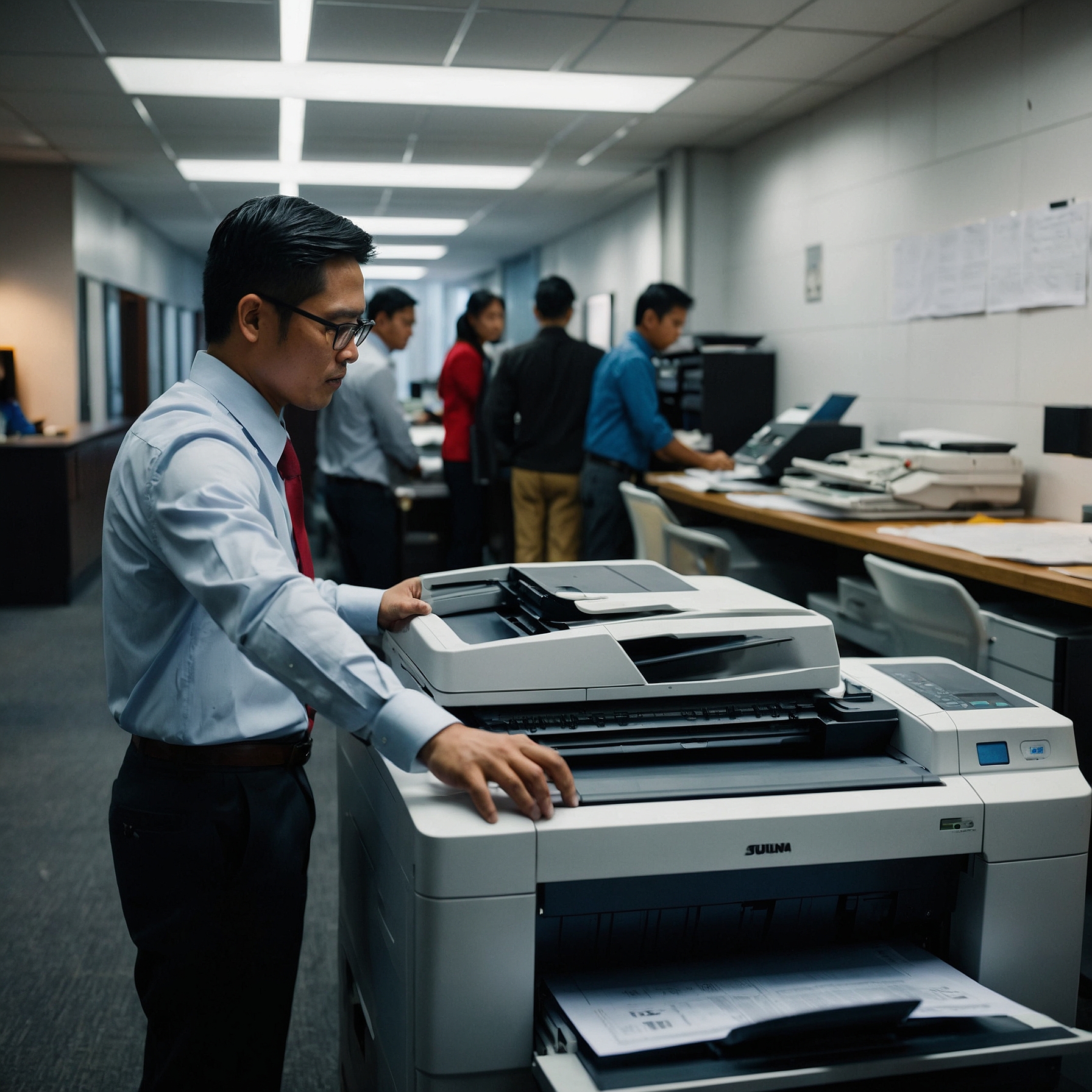
When it comes to renting office equipment like printers and copiers, businesses often face a key decision: should they go for a long-term or a short-term rental agreement?
Understanding the long-term vs. short-term rental terms is essential for making an informed and cost-effective choice. Whether you're a startup managing tight budgets or an established company scaling operations, this guide will help you weigh the pros and cons of each option.
In this article, we’ll break down the differences, advantages, and limitations of both rental types, and guide you toward choosing the right fit for your business.
What Are Long-term and Short-term Rental Terms?
Let’s start with the basics:
Short-term rentals usually range from a few days to a few months. These are ideal for temporary setups, short projects, or emergency replacements.
Long-term rentals typically last from one year to several years. These are better suited for ongoing operations and long-term use.
Understanding your specific needs can help determine which rental structure is most beneficial.
Benefits of Short-term Rental Terms
Short-term rental agreements come with several unique advantages:
1. Flexibility
Short-term contracts allow businesses to scale up or down quickly. This is useful for:
Seasonal businesses
Short-term events or trade shows
Pilot projects
You can rent equipment only when needed—without long-term commitments.
2. Lower Initial Costs
There’s no need to commit to a large upfront investment. You simply pay for the time and usage.
3. Easy Upgrades
If your business is still exploring options, short-term rentals let you test various models without being tied to a contract.
4. Fast Replacement
In emergencies—such as a breakdown of an owned printer—a short-term rental fills the gap while your unit is being repaired.
📘 Learn more about what’s usually included in rental contracts in this guide to clauses in rental contracts.
Limitations of Short-term Rental Terms
While flexible, short-term rentals also have some drawbacks:
Higher Monthly Costs: Rates are usually higher compared to long-term deals.
Limited Customization: You may not have much control over the equipment features or services.
No Ownership Path: Unlike lease-to-own options, short-term rentals rarely lead to equipment ownership.
Benefits of Long-term Rental Terms
Now, let’s look at long-term rentals and how they benefit growing or stable businesses.
1. Lower Monthly Payments
Due to the longer commitment, providers often offer discounted rates, helping you save in the long run.
2. Bundled Maintenance and Support
Many long-term agreements include preventive maintenance, repairs, and supply refills at no extra cost. This ensures consistent uptime.
📘 See how Marga PH structures rental agreements with built-in maintenance terms.
3. Consistency in Operations
Using the same device long-term improves workflow consistency. Employees get used to the features and workflows, increasing efficiency.
4. Customization and Integration
With long-term plans, you can often choose models, add accessories, or integrate with other office systems.
Limitations of Long-term Rental Terms
Still, long-term rentals aren’t for everyone:
Commitment Risk: If your needs change, canceling or modifying a long-term contract may incur penalties.
Slower to Adapt to Tech Changes: You may not upgrade as easily to newer models.
Potential for Overcapacity: Businesses that downsize or shift workflows may find themselves paying for more than they need.
📘 Consider reviewing this article on how to negotiate rental terms to avoid pitfalls in long-term agreements.
Key Differences Between Long-term vs. Short-term Rental Terms
| Feature | Short-term Rentals | Long-term Rentals |
|---|---|---|
| Contract Length | Days to few months | 1 year and above |
| Cost per Month | Higher | Lower (bulk discounts) |
| Flexibility | High | Limited (penalties for early exit) |
| Maintenance Included | Optional | Often bundled |
| Equipment Customization | Limited | High |
| Ideal For | Events, short projects, backups | Daily operations, growing teams |
Choosing What’s Right for You
Ask yourself these questions:
How long will I need the equipment?
If it’s under six months, short-term is likely best.Is my workload predictable or seasonal?
Seasonal = short-term. Predictable = long-term.Do I need technical support and maintenance?
Long-term plans are usually more inclusive.What is my budget?
Long-term options offer more value over time, but short-term is easier to start.
📘 Read our article on understanding printer rental conditions to better evaluate your current situation.
Renewal and Exit Options
Always review the renewal terms and exit clauses in your contract.
Some providers allow you to convert a short-term rental to long-term if your needs change. Others offer rolling renewals for added flexibility.
📘 Check out this guide on renewal terms in printer rental agreements to prepare ahead of time.
Final Thoughts
When it comes to long-term vs. short-term rental terms, there’s no one-size-fits-all answer. Each business has unique needs, and the right solution depends on your usage, budget, and flexibility requirements.
If you’re still undecided, consider starting with a short-term rental to test the waters. Many providers—including Marga PH—offer flexible packages that can scale as your business grows.
Key Takeaway:
The main difference between long-term vs. short-term rental terms lies in your business goals. Choose flexibility with short-term rentals, or commit to long-term solutions for better value and stability.