
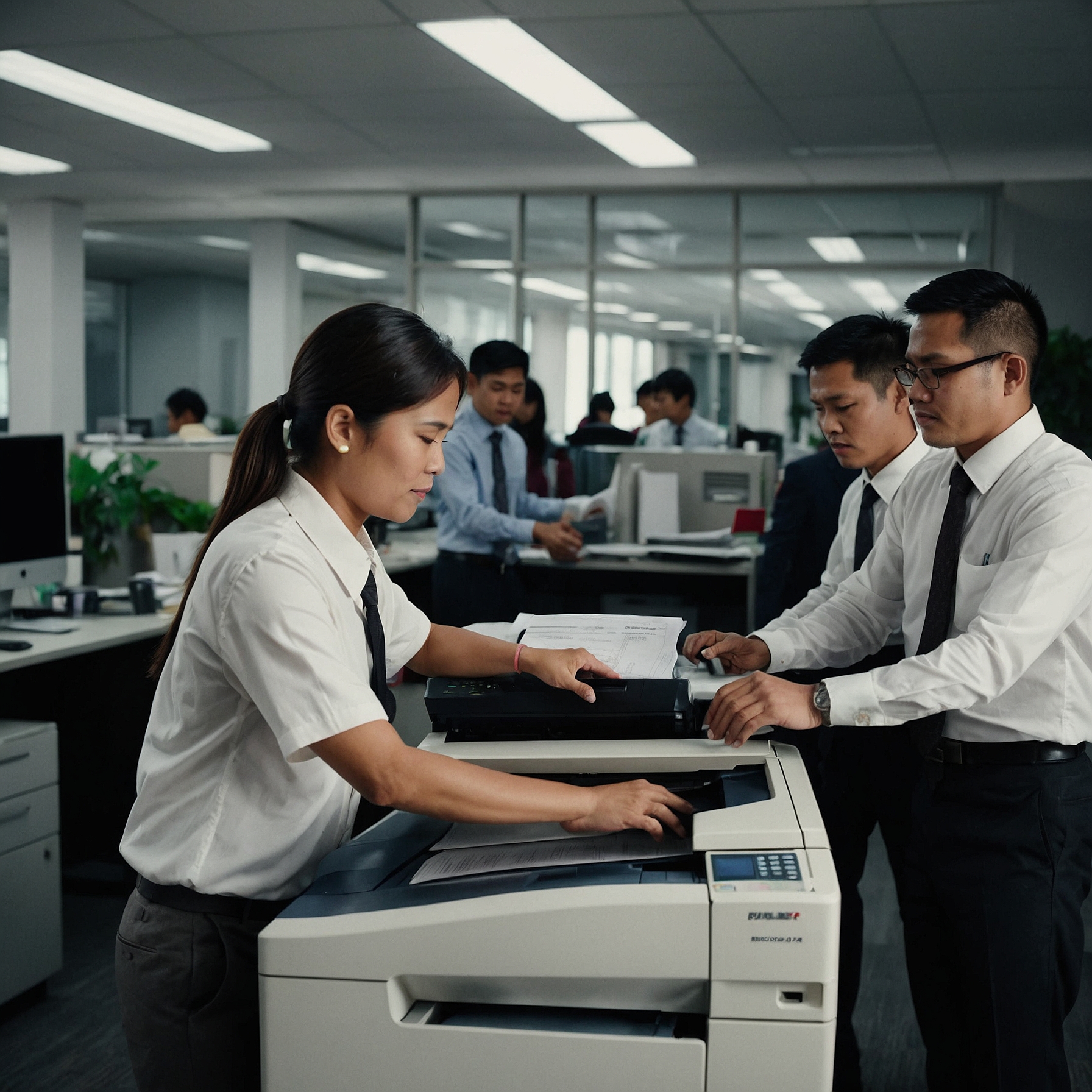
When building or upgrading your office infrastructure, one important decision you’ll encounter is whether to rent or purchase essential equipment like printers and copiers. While purchasing may seem like a one-time investment, it’s important to consider the long-term costs: rental vs. purchase before making a final choice.
Understanding the long-term costs: rental vs. purchase helps businesses avoid unexpected expenses and choose a setup that aligns with their growth goals and cash flow. Should you invest heavily upfront and own the equipment? Or is it more practical to rent and benefit from predictable monthly costs?
In this guide, we’ll dive deep into the long-term costs: rental vs. purchase—comparing upfront expenses, maintenance fees, technology upgrades, tax implications, and hidden charges. Whether you're a startup, SME, or growing enterprise, making the right decision now can save you thousands in the future.
Upfront Cost vs. Long-term Investment
Purchasing: Higher Initial Capital
When you buy a printer or copier, you're making a significant upfront investment. Depending on the model and features, a business-grade copier can cost anywhere from ₱50,000 to over ₱300,000. That’s a large chunk of your capital that could otherwise be used for other operational needs.
Renting: Lower Initial Cost, Predictable Payments
In contrast, renting spreads the cost over time, allowing you to preserve capital. Rental agreements typically include maintenance and support, making monthly budgeting easier. For businesses managing tight cash flow or scaling rapidly, this flexibility is often more attractive.
✅ Learn more about long-term rental savings here
Maintenance and Repair Costs
Purchased Equipment: You Own It, You Fix It
Ownership comes with full responsibility. Once the warranty expires, you shoulder all repair and maintenance costs. Over time, parts replacement, service calls, and consumables (like toner) can drive up your total cost of ownership (TCO).
Rented Equipment: Service Is Included
Most printer rental plans include preventive maintenance and prompt repair services, often at no extra charge. This not only saves money but also minimizes downtime—an often-overlooked but critical cost factor.
✅ Compare maintenance costs for rentals vs. purchases
Flexibility and Scalability
Buying Locks You In
Once you’ve purchased a device, you’re committed—even if your needs change. If your business grows or your printing requirements shift, you'll either have to make do or sell and reinvest in new equipment (often at a loss).
Renting Adapts with You
Printer rentals offer the flexibility to upgrade or downgrade as your needs evolve. This is especially useful for seasonal businesses or companies undergoing expansion, relocation, or restructuring.
✅ See how rentals provide better flexibility
Depreciation and Obsolescence
Technology evolves fast. Printers and copiers become outdated in just a few years, losing resale value and efficiency.
Purchased Equipment Loses Value
You own an asset—but it depreciates quickly. After a few years, your equipment may no longer support newer software, security protocols, or speed requirements.
Rented Equipment Stays Current
With rentals, you’re not stuck with outdated tech. You can switch to newer models more frequently, helping your business stay competitive and efficient.
Hidden and Unexpected Costs
When purchasing, businesses often overlook the hidden costs—installation, setup, driver updates, and time lost during repairs. Rentals, on the other hand, are usually all-inclusive, giving you a clearer picture of what you're paying for each month.
✅ Understand hidden costs in office equipment
Cash Flow and Tax Benefits
Renting Frees Up Capital
Leasing doesn't tie up working capital. The freed-up funds can be reinvested into marketing, hiring, or improving operations. Also, rental expenses are usually 100% tax-deductible as operational expenses.
Buying Creates a Fixed Asset
While you can claim depreciation over time, it’s a longer-term tax benefit. If you're a small business looking for quick returns or scalability, renting may provide better immediate financial advantages.
When to Rent and When to Buy
✅ Choose Rental If:
You're a startup or growing business
You want to avoid large upfront costs
Your print volume changes regularly
You prefer predictable, all-in-one monthly payments
You value access to newer equipment and quick servicing
✅ Choose Purchase If:
You have high and consistent usage needs
You plan to use the device for 5+ years
You have in-house tech support
You’re confident the equipment won’t need upgrades soon
You prefer owning assets over recurring payments
Final Thoughts: What’s Right for Your Business?
There’s no one-size-fits-all answer. However, when evaluating long-term costs: rental vs. purchase, the flexibility, maintenance savings, and lower upfront burden often make rentals the smarter option—especially for small to medium-sized businesses.
Still unsure? It's a good idea to consult with an office solutions provider that can assess your specific needs and recommend the most cost-effective approach.