
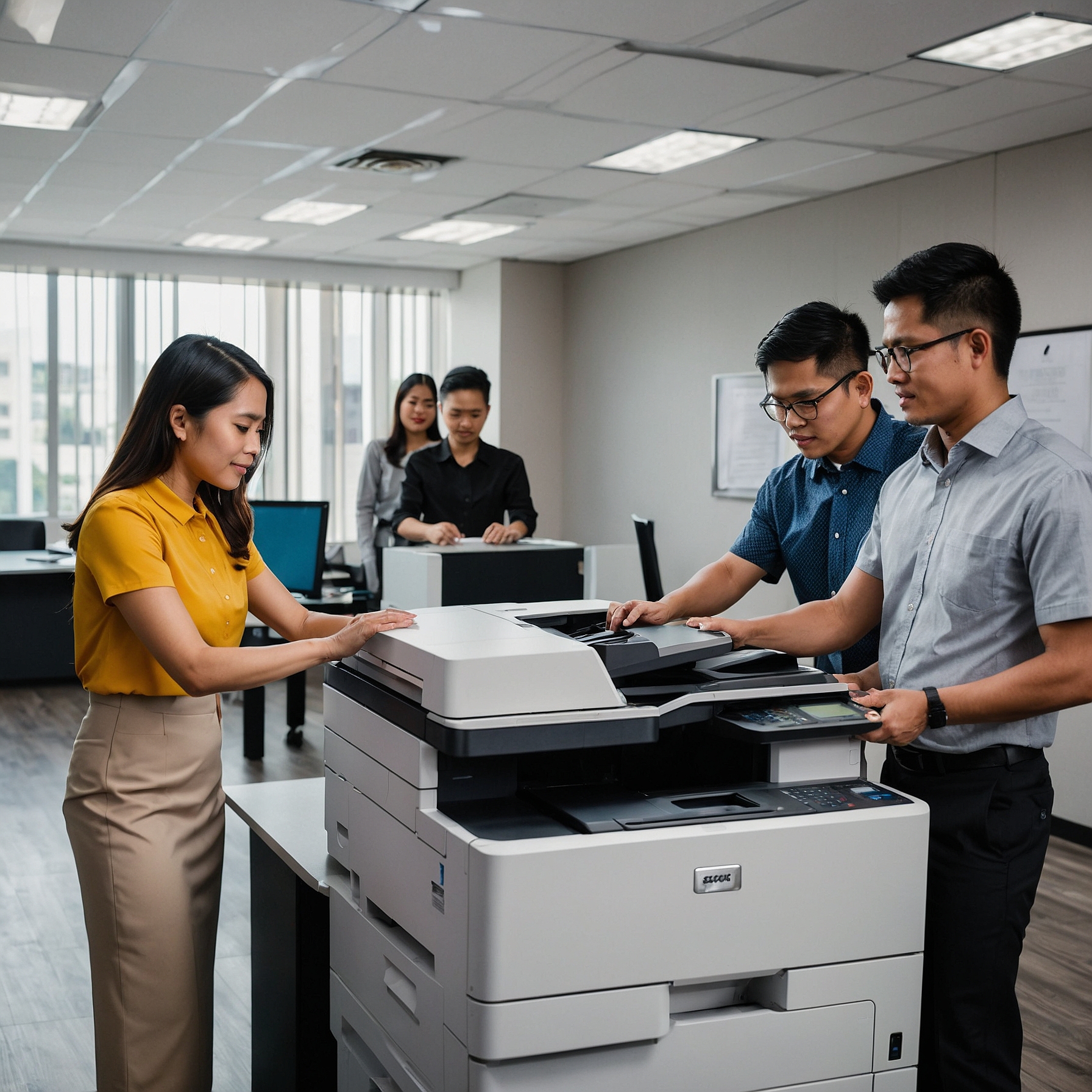
Legal Considerations for Printer Rentals: What Businesses Need to Know
Renting printers can be a cost-effective and flexible solution for many businesses. Whether you’re a startup, a seasonal company, or an enterprise handling a short-term project, printer rentals offer convenience without the long-term commitment of purchasing. But alongside the operational benefits come important legal considerations that every business must be aware of before signing a rental agreement.
In this guide, we’ll break down the legal considerations for printer rentals, helping you make informed decisions that protect your business. From contract clauses to liability issues, understanding the fine print can save you from costly misunderstandings later.
Why Legal Considerations Matter in Printer Rentals
Printer rentals may seem straightforward—pick a model, sign a contract, and start printing. But the reality is more complex. The rental agreement is a legally binding contract that outlines the responsibilities of both the renter (you) and the provider. If you overlook certain legal aspects, you could face penalties, unexpected costs, or even legal disputes.
1. Understanding the Rental Agreement
The first and most crucial legal aspect is the rental agreement itself. This document outlines the scope of the rental, including:
Duration of the rental period
Cost breakdown (including taxes, delivery, installation, and maintenance fees)
Usage limits or print volume caps
Renewal or termination terms
Make sure you understand every clause, especially the penalty for early termination, which can lead to hefty fees. Clarify what happens if you need to extend or shorten the rental period. Always ask for a sample contract before committing.
👉 Explore how contracts shape business success in this case study on successful printer rentals.
2. Ownership and Liability
Another key consideration is understanding who is liable for damages or malfunctions. Most agreements will specify:
That the rental company retains ownership
That you, the renter, are responsible for damages caused by misuse
That technical or manufacturing faults are covered by the provider’s warranty
If a printer breaks down due to wear and tear, the provider typically handles repairs. But if the damage is due to negligence or improper use, the renter may be charged for repair or replacement.
3. Data Privacy and Security
Modern printers often come with internal memory or cloud features that store sensitive documents. A common legal concern is data security, especially for businesses handling confidential or client information.
Ask your provider:
How is data erased after the rental ends?
Are security updates or firmware patches included in the service?
Can the printer be configured to meet your company's compliance policies (e.g., GDPR or HIPAA)?
Printer security is often overlooked, but it's critical—especially in industries like finance, law, or healthcare.
✅ Learn how printer rentals can support secure and scalable operations in this guide to printer rental and business growth.
4. Maintenance and Service Clauses
Legal issues may arise when maintenance responsibilities are not clearly defined. Some contracts include full service and maintenance; others only cover limited support. Be sure your agreement specifies:
Response time for service requests
Whether regular maintenance checks are included
Any costs for parts, labor, or consumables (like toner or paper)
Having a Service Level Agreement (SLA) included can give peace of mind and legal protection if the printer fails during a critical business operation.
5. Insurance and Indemnity
Some rental providers require renters to carry insurance coverage on the equipment. This protects both parties in case of:
Fire
Theft
Accidental damage
Natural disasters
The contract may also include indemnity clauses, which limit the provider’s liability and place more responsibility on the renter. Be cautious here—have your legal team review these clauses to avoid unexpected liability.
6. Return Conditions and End-of-Term Clauses
What happens at the end of the rental period is another area of legal concern. The contract should clearly state:
Who arranges for pickup
What condition the equipment must be returned in
Whether there are fees for damage or excessive wear
Some contracts automatically renew unless canceled in advance. Always check for auto-renewal clauses and ensure you know the process for contract termination.
7. Environmental Compliance
More companies today are focused on sustainability. If your business follows eco-friendly practices or holds certifications, make sure your printer rental partner aligns with these values. Ask:
Are the printers Energy Star certified?
Does the provider offer eco-friendly toner refills or recycling services?
Is e-waste disposal legally compliant?
Learn more about sustainability in printer rentals and how it can enhance your brand’s values.
8. Jurisdiction and Dispute Resolution
In case of a legal dispute, the contract will specify which jurisdiction's laws apply and how disputes are resolved (court, mediation, or arbitration). Don’t ignore this section—if your provider is based in another region, resolving disputes could become costly and complicated.
If possible, request this clause be governed by your local jurisdiction or consult with your legal counsel before signing.
9. Hidden Fees and Pricing Transparency
Beyond legal obligations, be cautious about hidden costs that might not be clearly outlined in your initial quote. These may include:
Setup or installation charges
Delivery and pickup fees
Overuse or per-page penalties
Upcharges for color vs. black-and-white printing
Reading the fine print is not optional—it’s necessary. Ask for a full breakdown and written confirmation of the total cost.
Compare offerings and transparency levels among top printer rental companies.
10. Customer Reviews and Due Diligence
Finally, doing your due diligence can save you from legal and operational headaches. Look up the provider’s history, ask for client references, and review user feedback.
Check out printer rental customer reviews to see how real businesses rate their experience with different rental providers.
Conclusion: Know the Legal Landscape Before You Rent
Printer rentals are an excellent solution for businesses needing flexibility, cost control, and modern equipment. But without a strong understanding of the legal considerations for printer rentals, you could face unnecessary risks.
Take the time to:
Review every line of your rental contract
Clarify liability, support, and data policies
Work only with trusted, transparent providers
By being proactive and informed, you can enjoy the benefits of printer rentals while avoiding potential legal pitfalls.
Further Reading: