
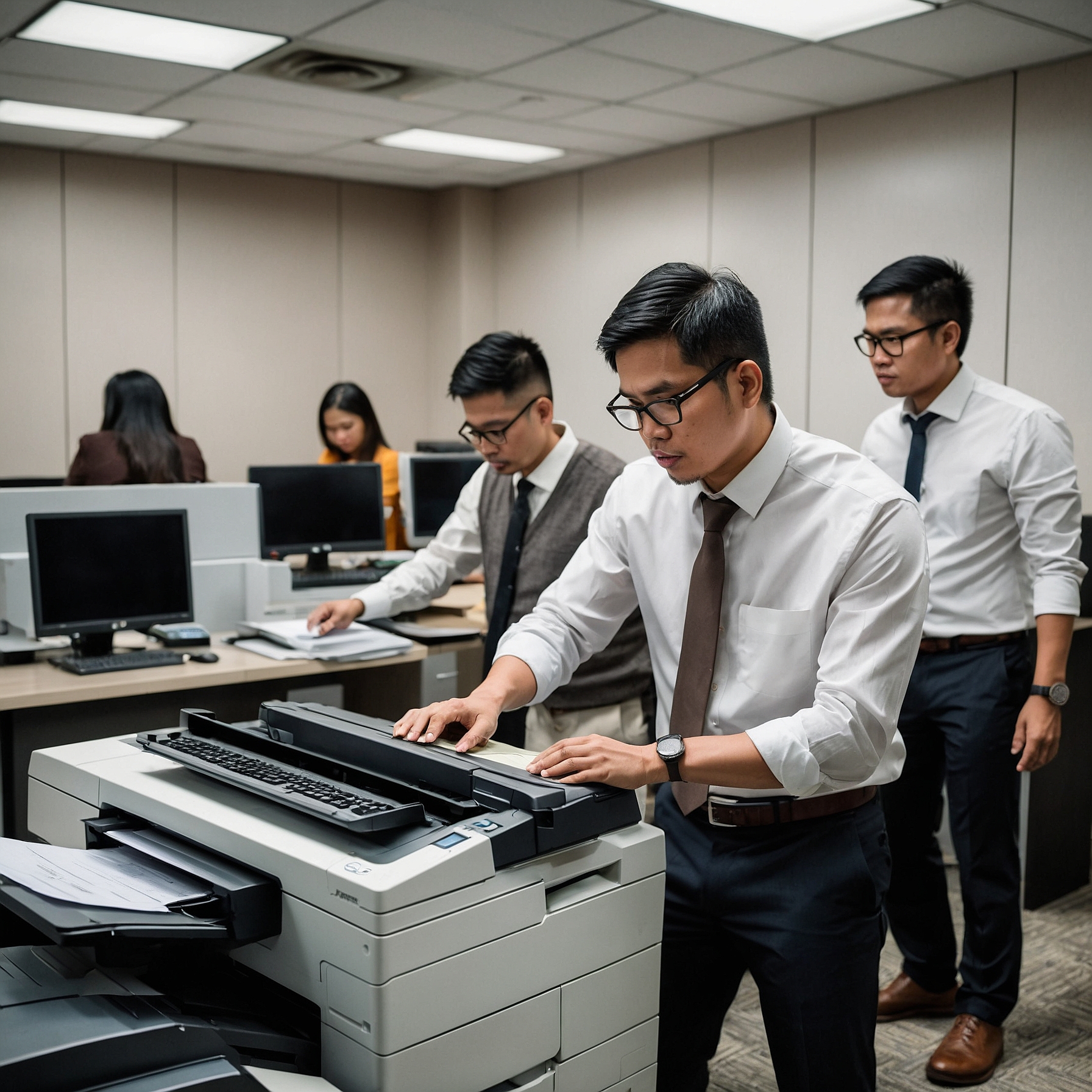
Copying equipment may seem like just another business expense, but the Impact of Copier on Rental Costs goes well beyond monthly fees. From device spec and service bundles to usage patterns and contract terms, numerous factors influence your actual costs. In this article, we’ll explore what affects copier rental pricing and how to manage it wisely.
1. Copier Type and Features 🖨️
Naturally, the type of copier you rent has a major impact on cost:
Monochrome vs Color: Color models carry a premium—expect up to 30–50% higher monthly rates.
Print Speed & Volume: Copiers rated for high volumes or faster speeds cost more up front.
Finishing Options: Features like stapling, binding, or large-format support raise the base price.
Connectivity & Software: Cloud integration, secure print, and mobile access can add value—and cost.
As noted in industry guides, newer technology, better print quality, and faster speeds all drive monthly cost increases—a trade‑off for productivity and flexibility in rental agreements (iotsolutions.com, kyoceradocumentsolutions.us, networkdig.com).
2. Lease Term and Upfront Costs
Rental pricing depends heavily on:
Contract Duration: Short-term leases (<24 months) usually cost more per month than longer agreements (36–60 months).
Upfront Costs: Initial payments like security deposits or the first and last month’s fee can influence your monthly rate.
A longer lease may lock in lower rates, but it also means committing to older equipment longer—so balance term length with your evolving needs.
3. Maintenance, Supplies & Service Packages
What’s included in your rental plan significantly alters cost:
All-inclusive Contracts: Many rental agreements bundle maintenance, toner, and parts—simplifying budgeting.
Pay-As-You-Go Plans: Some vendors charge separately for repairs, toner, or service calls—raising overall cost unpredictably.
Service Level Agreements (SLAs): Premium SLAs offering faster response times and remote monitoring usually come at a higher price.
Choosing an inclusive plan may cost more per month, but it avoids surprises and reduces downtime.
4. Usage Patterns & Overage Fees
Your print volume matters—businesses that exceed base usage limits face overage fees:
Per-page pricing adds up fast if you print more than expected.
A higher-volume base plan may save money and reduce the risk of penalty charges.
Tracking historical usage and aligning your plan accordingly can optimize spending considerably.
5. Upgrades, Early Termination & Renewal Terms
Contract flexibility can influence costs:
Mid-Contract Upgrades: Often involve renegotiated terms or fees, as highlighted in discussions on Impact of Copier Technology on Rental Costs.
Early Termination: Leaving early may result in expensive fees—so be clear on exit clauses such as Early Termination Options.
Renewal Strategy: Renewals are opportunities to negotiate better pricing, especially if your needs or usage has changed—see Renewal Strategies for Copier Rentals.
6. Make-or-Buy Analysis
Deciding whether to rent or buy hinges on costs:
Renting often saves upfront investment while offering flexibility and bundled services.
Buying may be cheaper in the long run for low usage or long-term needs, but you'll absorb maintenance, obsolescence, and depreciation.
Compare total costs over time to choose what makes sense for your company, using financial tools and guidance from leasing vs buying resources (kraftbusiness.com, aispa.us).
7. Brand & Vendor Influence
Strong copier brands (Xerox, Canon, Ricoh) tend to command higher rental rates. However, they also provide more reliable service and broader support networks. Smaller vendors may offer lower pricing, but investigate service quality and spare-part availability first.
8. Market Trends and Pricing Pressures
Finally, market factors can affect your costs:
Tech Advances: New features like cloud printing or AI diagnostics may raise rental rates over time.
Supply Chain Pressures: Disruptions can push up equipment costs—and rental rates follow.
Regulatory and Sustainability Demands: Energy compliance may add expenses across the contract.
Final Thoughts: Track, Compare, and Share Costs
Understanding the impact of copier on rental costs empowers your team to negotiate smarter contracts, avoid hidden fees, and select the right equipment. To summarize:
Match equipment specs with your actual needs
Choose lease terms that balance cost and flexibility
Opt for inclusive service plans where possible
Monitor usage and manage overages
Use renewals and upgrades as negotiation leverage
With these insights, your copier rental becomes an asset—not a liability.