
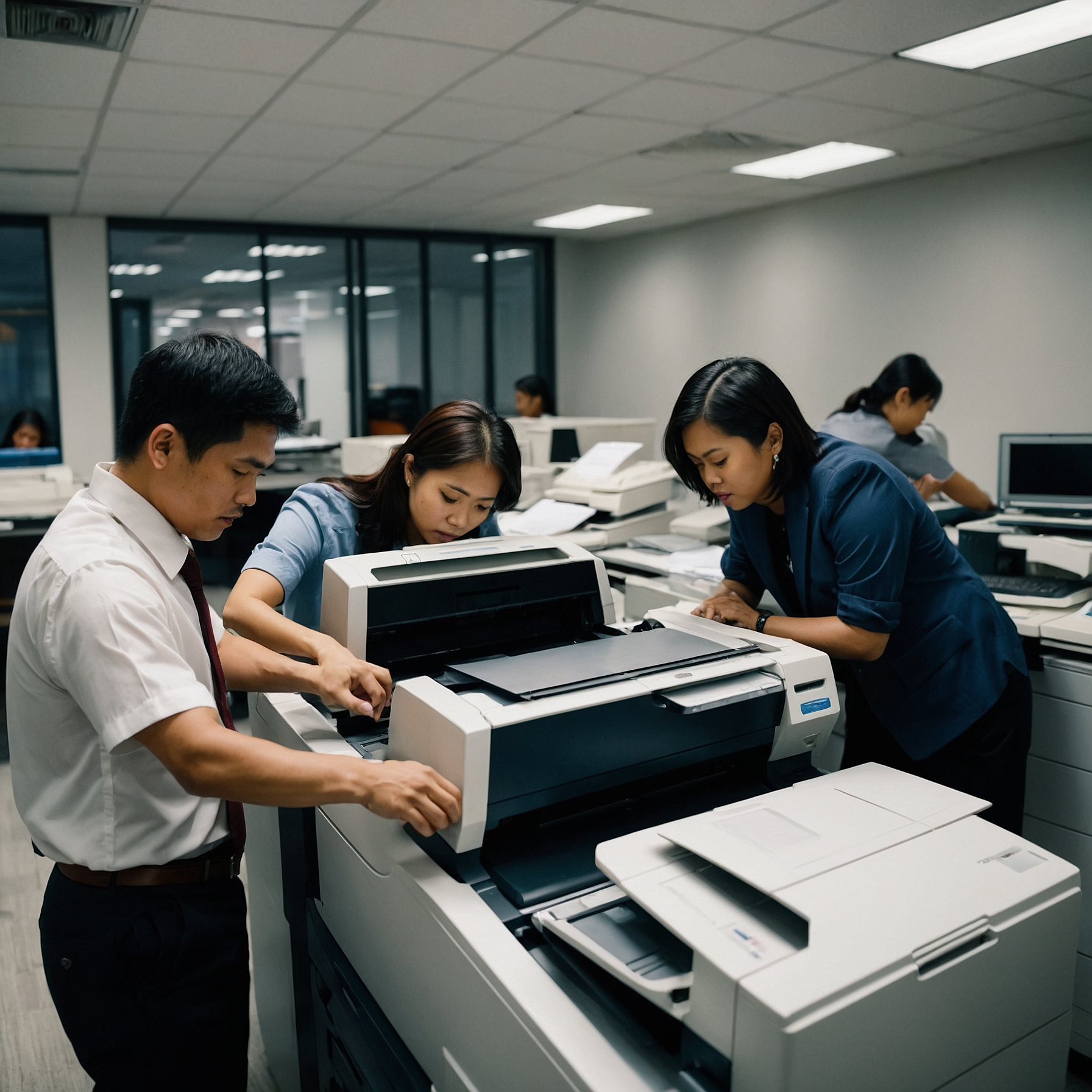
Renting equipment or property—whether it’s a copier, office space, or even furniture—often involves signing a rental agreement. While many renters simply accept the standard terms presented to them, smart renters know that these terms can often be negotiated. If you’re looking to get the best deal and avoid hidden costs, it’s essential to understand how to negotiate rental terms effectively.
This guide will walk you through the key elements of rental agreements, how to prepare for negotiations, what to ask for, and how to protect your interests.
Why Negotiating Rental Terms Matters
Negotiating your rental terms isn’t just about saving money—it’s about creating clarity and fairness. Without proper negotiation, you may unknowingly agree to terms that:
Include high penalties for early termination
Offer limited service support
Automatically renew without prior notice
Lack flexibility for changes in your business needs
Understanding printer rental conditions or equipment lease agreements helps you take control of the deal—not just accept it.
1. Understand What’s in a Rental Agreement
Before entering any negotiation, it’s important to know what typical rental contracts include. Most agreements cover the following:
Rental duration
Monthly or quarterly cost
Payment terms and schedule
Maintenance responsibilities
Termination and renewal clauses
Damage or loss liability
You can explore more about common clauses in rental contracts here.
Tip: Ask for a copy of the contract before signing, and take the time to review every section.
2. Do Your Research First
Knowledge is your best tool in negotiation. Before speaking with a rental provider, do the following:
Compare prices from multiple vendors
Read reviews or testimonials about the company
Understand your needs: Do you need short-term or long-term rental? How much usage do you expect?
If you’re dealing with printer or copier rentals, for instance, you can check Marga’s rental agreement policies to get an idea of fair terms.
3. Identify the Key Terms You Can Negotiate
Not everything in a rental contract is fixed. Some of the most commonly negotiable terms include:
a. Price
Even if the price seems fixed, ask for discounts for:
Longer rental duration
Upfront payments
Renting multiple units or equipment
b. Delivery and Setup
Ask if delivery fees or setup charges can be waived or discounted.
c. Maintenance and Repairs
Request that maintenance costs be included in the monthly fee. Ensure the provider offers quick service turnaround.
d. Contract Duration and Renewal
Many contracts auto-renew. Ask for a clause that requires the company to notify you before renewal or gives you the option to end the contract easily. Learn more about renewal terms here.
e. Termination Clauses
Negotiate for:
Lower early termination fees
Grace periods before penalties apply
Flexibility if your business needs change
4. Ask the Right Questions
When you begin negotiations, come prepared with questions such as:
What happens if I need to cancel early?
Are there hidden fees in the agreement?
Is maintenance covered in the monthly price?
Can we adjust the rental terms after 6 months if needed?
Will the rates change during renewal?
Clear questions lead to transparent answers—and better terms.
5. Put Everything in Writing
Verbal agreements are not enough. Once terms have been discussed, make sure everything is written clearly in the contract. If the sales representative offers a discount, ask for it to be reflected in the document.
Never sign a contract that:
Has blank spaces
Includes vague language like “subject to change”
Doesn’t reflect your negotiated terms
Always ask for a final copy to review before signing.
6. Be Willing to Walk Away
One of the most powerful tools in negotiation is the willingness to say “no.” If the rental provider refuses to budge on important issues—especially if the terms seem unfair—don’t be afraid to explore other options.
Companies that truly value your business will be open to flexible arrangements.
7. Consider Legal Review for High-Value Rentals
If you’re signing a large rental contract—like a long-term commercial equipment lease—it may be wise to have a legal expert review it. This can help protect your business from risks you may not have considered.
8. Build a Good Relationship with the Provider
Once you’ve successfully negotiated, maintain open communication with your rental provider. A good relationship makes it easier to request changes in the future, renew under better terms, or receive better service.
Final Thoughts: Negotiation Is a Skill You Can Learn
Whether you're a small business owner or an individual renter, learning how to negotiate rental terms puts you in control of your investment. Don’t settle for what’s standard—aim for what’s fair and beneficial for both parties.
To further your understanding, check out this in-depth guide on how to negotiate rental terms effectively from Marga PH.
Key Takeaways:
Know what’s in the contract before you negotiate.
Research providers and compare terms.
Focus on negotiable items like price, duration, maintenance, and renewal.
Ask questions and insist on clarity.
Get everything in writing.
By applying these tips, you’ll not only get better rental deals—you’ll also avoid surprises, save money, and create smoother rental relationships for the long term.