
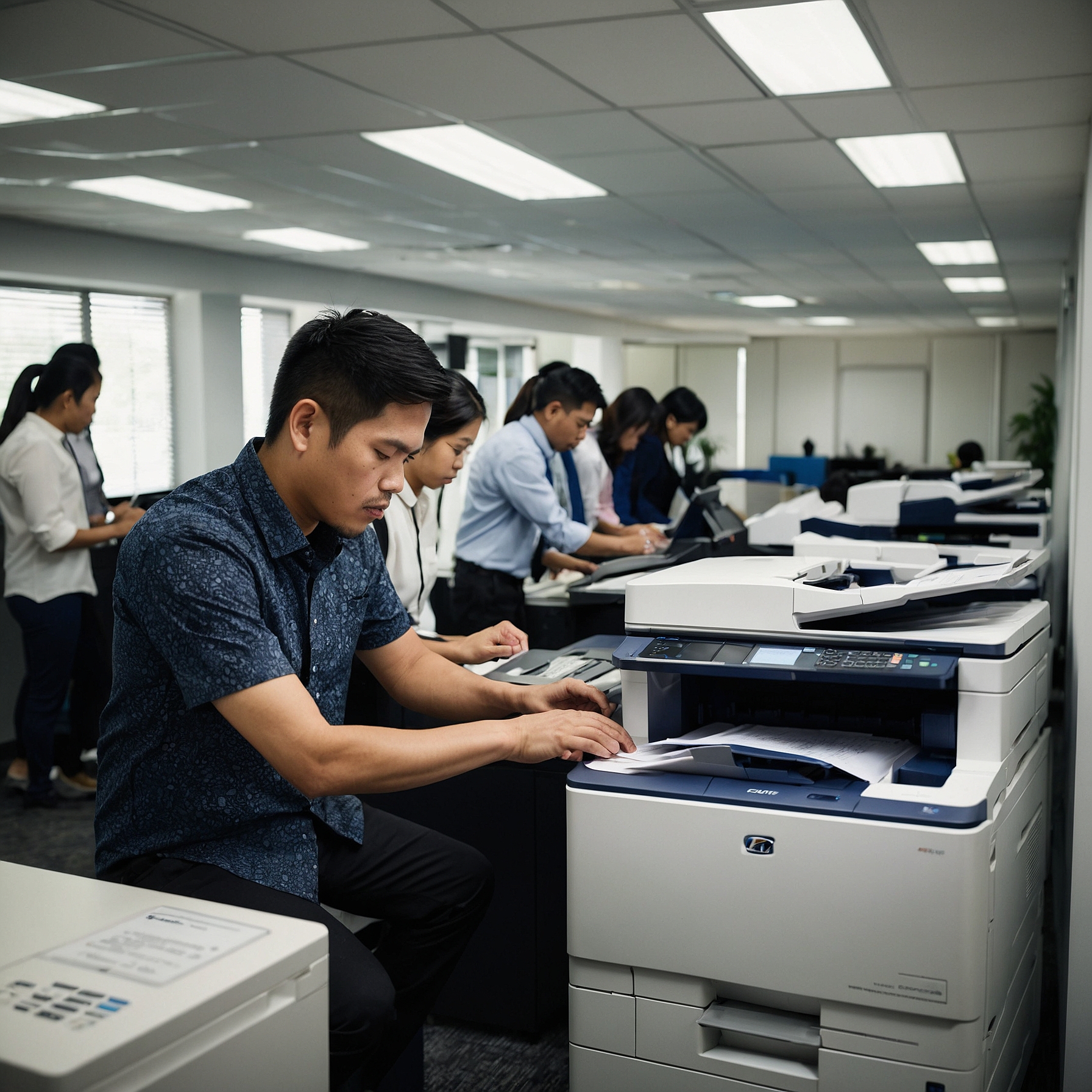
Renting a copier provides flexibility, but financing your rental can make cash flow easier and provide additional benefits. In this guide, we’ll explore the different Financing Options for Copier Rentals, compare their features, and offer tips so your business gets the most value.
1. Why Consider Financing Your Copier Rental?
Financing can help spread out costs while delivering advantages such as:
Preserved cash flow – No need for large upfront payments
Better budgeting – Fixed monthly payments simplify planning
Potential tax benefits – Financing arrangements may offer different tax treatment
Flexible ownership options – Some plans include buyouts at the end of the term
These benefits often make financing more attractive than a traditional rental plan.
2. Common Financing Structures
Here are typical models used for financing copier rentals:
a. Fair Market Value (FMV) Lease
Low monthly payments based on projected residual value. You can return, renew, or purchase the copier at the end of the lease.
b. Capital Lease / Finance Lease
Makes the copier similar to an ownership purchase with loan-like repayment terms and full ownership or first-right purchase at lease-end.
c. Operating Lease
Shorter-term lease with payments based on depreciation over the lease period; maintenance may be bundled in.
Each structure offers different benefits—like flexibility or ownership—so choose based on your business goals.
3. Evaluating Financing vs Direct Rental
To make the right decision, assess:
Monthly Costs – Compare rent-only packages with lease payments
Term Length – Longer leases can reduce monthly payments, but review long-term implications
Maintenance and Insurance Costs – Some finance plans bundle these in
End-of-Life Options – Know whether ownership, trade-in, or renewal is included
Our cost efficiency guide shows real-world examples: Case Studies on Copier Rental Cost Efficiency.
4. Financing Strategies for Small Businesses
Smaller firms can especially benefit by:
Choosing flexible lease terms to match growth
Bundling service and maintenance for easier budgeting
Negotiating residual value to reduce end-of-term buyout costs
See more small-business financing insights at Cost Benefits for Small Businesses.
5. Analyzing Lease Terms Beyond Monthly Payments
Don’t overlook important contract terms:
Interest rates – Finance charges vary depending on creditworthiness
Early termination options – Included fees for early exit
Upgrade and renewal clauses – Can include mid-term upgrades
Residual value and purchase options – Costs and conditions at lease-end
A detailed breakdown is available here: Analyzing Lease Terms for Cost Efficiency.
6. Tips to Maximize Financing Benefits
Get several quotes – Compare vendors and leasing companies
Consult your accountant – Understand the tax effects and accounting treatment of lease structures
Align term with usage – Avoid paying for unused time
Watch for hidden charges – Add-ons like insurance, delivery, and setup may add to cost
Include performance guarantees – Link financing contracts to uptime and support standards
7. Case Study: Savings Through Financing
Company XYZ switched from a monthly rental to a 36-month FMV lease. They:
Reduced per-month cost by 20%
Added full-service maintenance and consumables
Took advantage of tax-deductible lease payments
Enjoyed upgrade options at contract end
Their story is one example of many shared here: Saving Money on Copier Rentals.
Final Thoughts
Exploring different Financing Options for Copier Rentals can unlock savings, flexibility, and future-proofed agreements. By understanding lease types, reviewing contract details, and aligning terms with business needs, you can confidently choose the option that best fits your organization.