
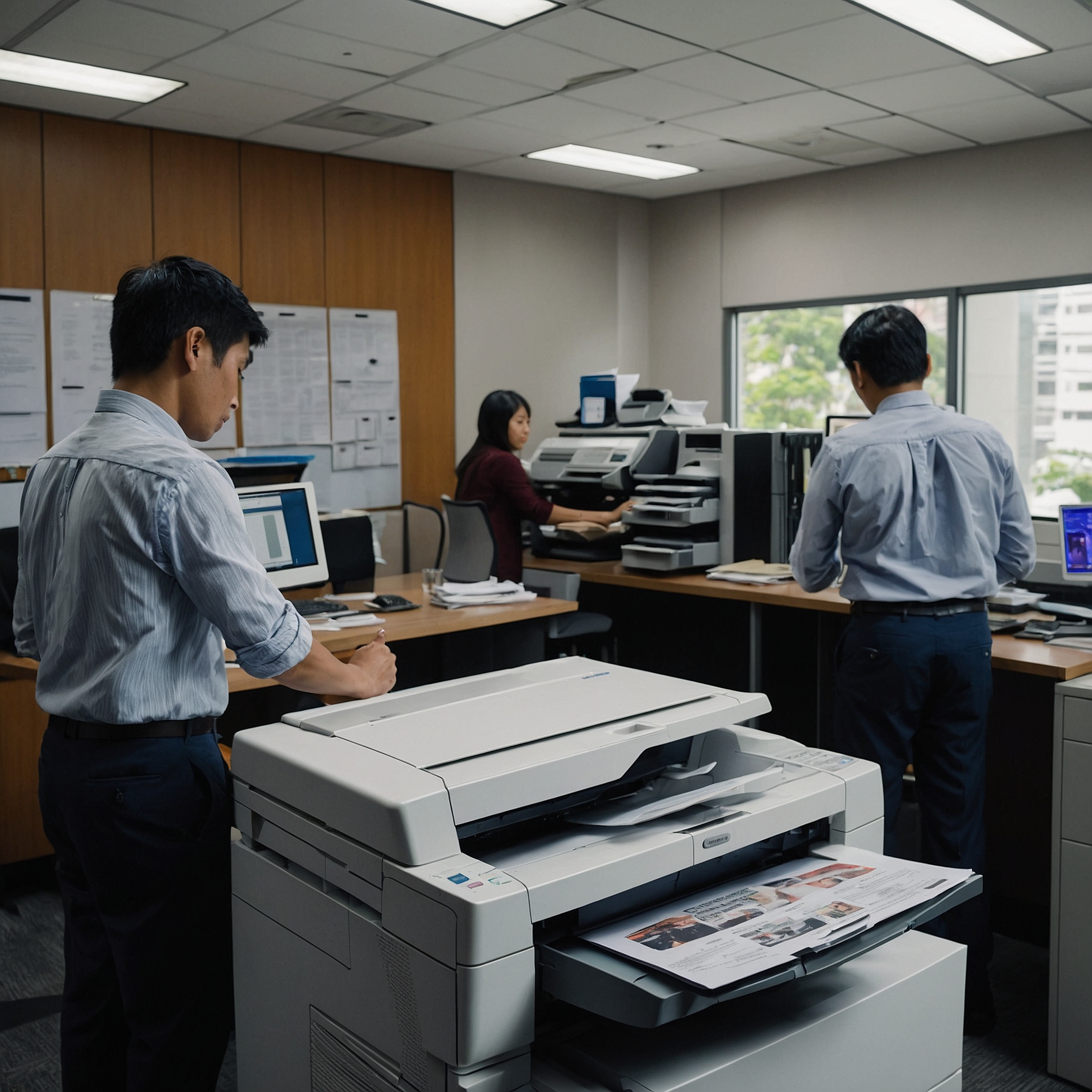
In today’s eco-conscious business environment, the environmental impact of digital vs. analog copiers is about more than just energy use—it ties into sustainability, waste reduction, and resource management. If your organization values green operations, understanding how copier technology compares can inform smarter purchasing and usage decisions.
In this post, we'll dive into how each copier type affects the environment—from energy consumption and consumables waste to longevity and technological innovations—helping you choose a copier aligned with your sustainability goals.
1. Energy Efficiency and Power Consumption
Analog copiers typically remain powered and warmed up, drawing consistent energy throughout the day—even when idle.
On the other hand, digital copiers often include:
- Sleep or eco-mode settings
- Fast wake-up times
- Energy-saving features certified by regulations (e.g. ENERGY STAR)
By incorporating power-saving modes, digital copiers can reduce standby energy use by 20–40%, which significantly lowers long-term power consumption.
Explore advanced eco-features in Technological Features: Digital vs. Analog Copiers.
2. Consumables: Toner, Paper, and Waste
Analog machines generally use more toner per page and produce greater waste—especially since they lack duplex printing.
Digital copiers often support:
- Duplex (double-sided) printing
- Toner-saving modes
- Modular toner cartridges with better yield
This results in less toner consumption and paper use, helping reduce waste and long-term environmental footprint.
3. Durability, Longevity, and Lifecycle
Longevity matters in sustainability. A longer-lasting copier means fewer replacements and less electronic waste.
Digital copiers are designed for high-volume workloads and offer robust diagnostic tools to prolong life.
Analog machines, while mechanically simpler, may wear out faster and suffer from limited repairability due to obsolete parts.
For more on product longevity, read Durability and Longevity of Copiers.
4. Integration with Digital Workflows and Reduced Print Demand
Digital copiers enable scanning directly to email or cloud storage, reducing the need to physically print documents. This encourages paperless workflows and minimizes environmental impact.
By integrating with systems like Google Workspace or SharePoint, digital copiers help businesses:
- Reduce printed backups
- Enable remote document sharing
- Minimize environmental footprint through digital distribution
For deeper insights, check out Integration with Digital Workflows.
5. Advances in Eco-Friendly Copier Technology
Innovation is shaping greener office equipment. New biodegradable toners, energy recycling systems, and low-emission fusers are being developed for digital copiers.
Meanwhile, analog copiers see fewer enhancements and can’t match the ongoing sustainability improvements found in modern digital models.
Learn more in Innovations in Copier Technology.
6. Security Features with Eco Benefits
Security doesn’t just protect data—it can also reduce waste. Features like secure print release prevent unnecessary print jobs and encourage users to collect documents only when intended.
Digital copiers offer:
- PIN-based printing
- Auto-delete of unprinted documents
- Audit trails
These features reduce overprinting and paper waste, supporting both security and sustainability goals.
Explore how these overlap in Security Features: Digital vs. Analog Copiers.
7. Final Verdict: Which Copier Is More Eco-Friendly?
| Factor | Analog Copier | Digital Copier |
|---|---|---|
| Power Efficiency | Lower | High with eco-modes |
| Toner/Paper Waste | Higher | Lower usage |
| Product Longevity | Moderate | Designed for endurance |
| Workflow Integration | Minimal | Extensive |
| Technological Innovations | Limited | Growing eco-advancements |
| Secure & Green Features | Softer benefits | Strong synergy |
Take Action: Go Green with Your Copier Choice
To reduce your organization's environmental impact:
- Opt for digital copiers with eco-certifications
- Use duplex printing and toner-saving modes
- Enable secure print release to cut waste
- Maintain copiers properly to prolong their lifespan
- Upgrade when tech innovations offer substantial green gains
Final Thoughts
The environmental impact of digital vs. analog copiers shows a clear trend: digital models offer greater sustainability through efficiency, eco-features, and alignment with paperless workflows. By choosing modern digital copiers and optimizing their use, businesses can reduce energy, waste, and carbon footprints—all while enhancing productivity.