
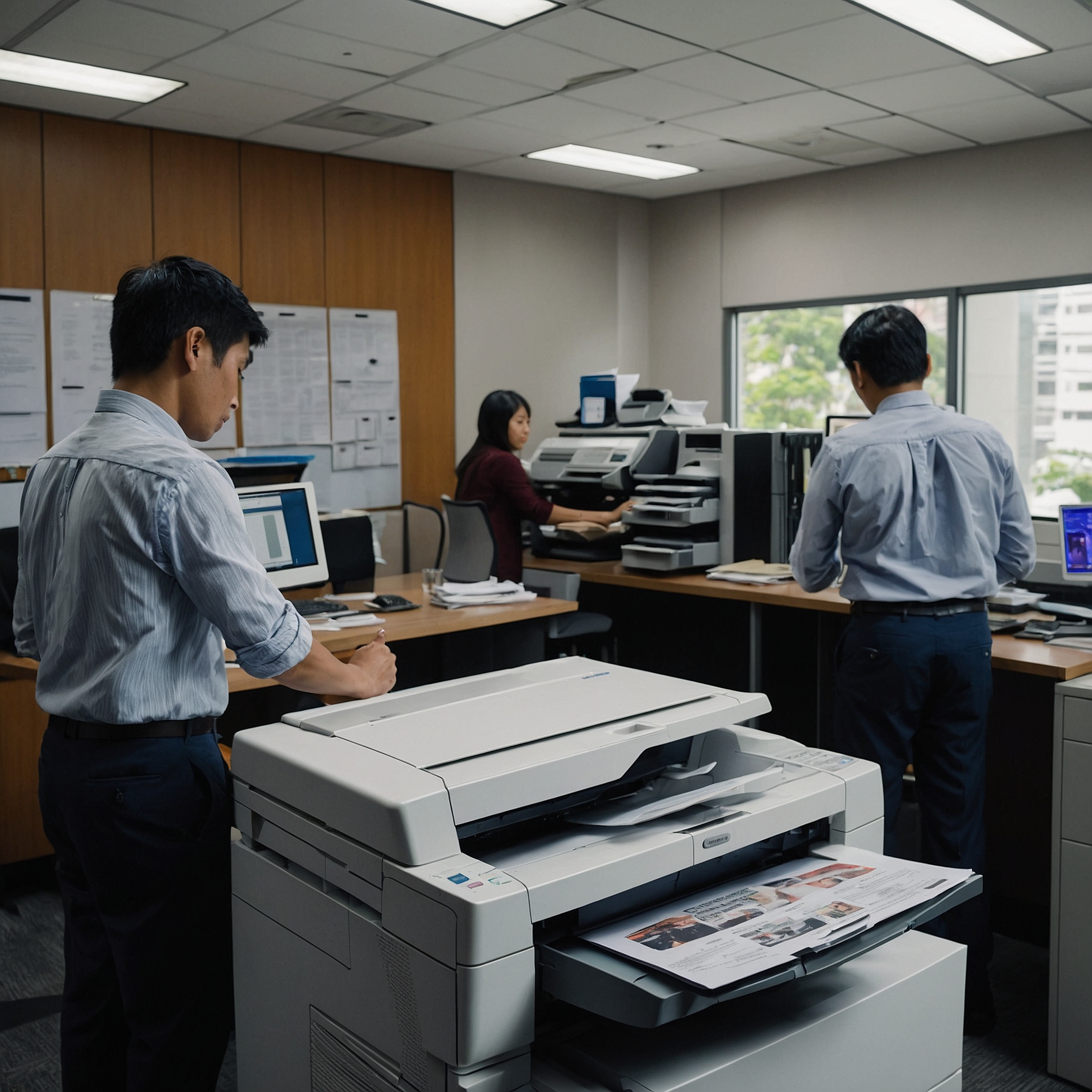
Every office machine has a footprint. From the materials used in production to the energy consumed during operation, color copiers contribute to environmental issues such as:
Energy consumption and greenhouse gas emissions
E-waste and improper disposal
Toner pollution and air quality concerns
Paper waste due to inefficient use
As more companies aim to become sustainable, it’s essential to understand the environmental impact of color copiers and how small decisions can lead to big improvements.
1. Energy Consumption: Silent Contributor to Carbon Emissions
Color copiers, especially older models, are notorious for consuming a significant amount of electricity. Many devices remain in standby mode for long periods, drawing power even when not actively in use.
How to Reduce It:
Choose energy-efficient models. Look for ENERGY STAR® certified machines.
Use power-saving settings. Schedule automatic sleep modes and shutdowns.
Consider copier sharing. One shared, efficient copier often consumes less energy than multiple individual units.
💡 Learn more about advanced technologies in color copiers that help reduce energy usage.
2. Toner Cartridges and Chemical Pollution
Toner is more than just “ink.” It contains fine plastic particles, resins, and metals that can be harmful to both humans and the environment when disposed of improperly. Additionally, toner emissions can affect indoor air quality.
Ways to Minimize Toner Waste:
Opt for high-yield cartridges. They last longer and reduce frequency of disposal.
Participate in recycling programs. Many manufacturers accept used cartridges.
Use draft mode for internal prints. This saves toner without compromising readability.
🔐 Also, did you know some copiers come with security features that prevent unauthorized print jobs, reducing unnecessary toner and paper use?
3. Paper Waste and Deforestation
One of the biggest environmental concerns related to color copiers is the sheer volume of paper used. Misprints, duplicates, and unnecessary color documents all contribute to deforestation and increased landfill waste.
What You Can Do:
Implement duplex printing (double-sided). Most modern copiers support this.
Use print preview and digital sharing. Avoid printing unless necessary.
Choose recycled paper or paper with FSC certification.
📄 A large portion of operational waste can be avoided through better user awareness and internal print policies.
4. E-Waste and End-of-Life Disposal
Copiers contain electronic components that eventually wear out. If not disposed of properly, these machines end up in landfills where their plastics and metals leach into the environment.
Best Practices for Copier Disposal:
Rent instead of buying. Rental services usually manage device end-of-life responsibly.
Choose vendors with return policies. Look into rental return procedures.
Partner with certified e-waste recyclers. Ensure compliance with local regulations.
♻️ When your copier lease ends, return it for proper handling rather than letting it sit unused or sending it to a junkyard.
5. Common Issues That Lead to Wasted Resources
Copiers that frequently jam, misprint, or malfunction often lead to higher resource consumption. Time, paper, and toner are wasted with every error.
If your copier regularly experiences technical issues, it may be time for a maintenance check or upgrade. Learn more about troubleshooting common color copier problems.
6. Green Copier Options and Eco-Conscious Features
Thankfully, many copier manufacturers are addressing environmental concerns by introducing:
Low-emission models that produce fewer ozone particles.
Recyclable parts and packaging for easier eco-disposal.
Digital workflows to minimize physical printing needs.
When considering a new copier, always review environmental specifications. These small upgrades make a major difference in long-term sustainability.
7. Renting vs. Buying: Which Is Greener?
In many cases, renting a color copier is more environmentally friendly than purchasing. Here’s why:
Vendors rotate devices more efficiently, replacing outdated units with newer, greener models.
Maintenance is handled professionally, ensuring the copier runs at optimal performance.
End-of-life disposal is managed through structured return policies.
📊 Curious about rental costs? Check this guide on color copier rental costs.
Final Thoughts: How to Take Action Today
The environmental impact of color copiers may seem small on a single-user level, but multiplied across thousands of offices and organizations, it becomes a global issue. The good news? We can all contribute to the solution.
Here’s a quick checklist:
✅ Choose energy-efficient and low-emission copiers
✅ Use recycled paper and print responsibly
✅ Recycle toner cartridges
✅ Maintain your copier to prevent unnecessary waste
✅ Rent from eco-conscious providers
By taking these steps, you not only reduce your carbon footprint but also support a healthier, more sustainable future for everyone.
Let’s make smart, sustainable printing the new normal.
If you’re exploring copier rental options that align with your environmental values, reach out to trusted providers who offer modern, eco-conscious solutions. Every print counts—make yours matter.