
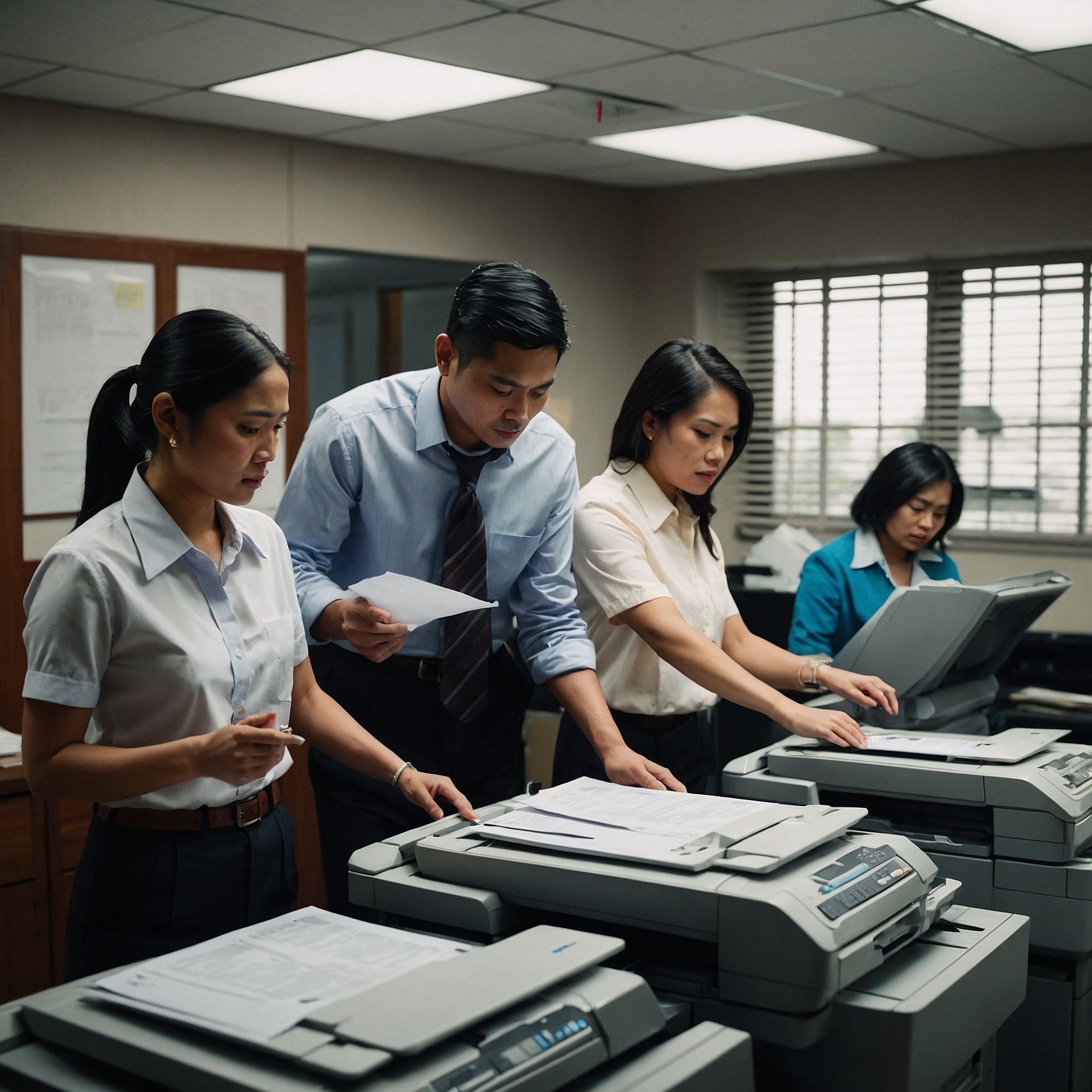
When it comes to acquiring office equipment like printers or copiers, businesses are often faced with a critical decision: rent or purchase? While both options have their merits, one of the most overlooked aspects is depreciation. Understanding the difference in Depreciation: Rental vs. Purchase can significantly impact your financial planning and long-term investment strategy.
In this blog post, we’ll break down what depreciation is, how it affects your equipment investment, and whether renting or buying makes more sense for your business.
What is Depreciation?
Depreciation is the loss of value of an asset over time due to wear and tear, aging, or obsolescence. For businesses, it’s an essential accounting concept because it affects:
Tax deductions
Asset value reporting
Resale or salvage value
When you purchase equipment, you own an asset that will lose value every year. On the other hand, rental agreements typically place the burden of depreciation on the lessor, not the lessee.
Depreciation When You Purchase Equipment
When you buy a printer or copier outright, you're responsible for the full cost of ownership, including:
Depreciation over time
Maintenance and repair
Technological obsolescence
Example:
Let’s say you purchase a copier for ₱150,000. Over five years, it depreciates down to ₱30,000. That means you’ve essentially “lost” ₱120,000 in value, not counting repair costs or productivity losses from outdated technology.
Tax Implications:
The good news is that depreciation is tax-deductible. Under Philippine accounting rules (and many global standards), you can write off a portion of the copier’s value annually. However, this benefit can be offset by high maintenance and upgrade costs.
Depreciation When You Rent Equipment
Renting eliminates the need to track depreciation because you don’t own the asset. The lessor is responsible for the equipment’s depreciation and future resale value. You just pay a monthly fee that usually includes:
Equipment usage
Repairs and maintenance
Upgrade options
Key Advantage:
You avoid the financial hit of holding onto an asset that rapidly loses value. Instead, you get access to updated technology without worrying about declining resale value or outdated models.
👉 Learn more about Maintenance Costs: Rental vs. Purchase
Comparing the Two: Rental vs. Purchase Depreciation
Let’s break down the Depreciation: Rental vs. Purchase comparison in a simple chart:
| Aspect | Purchase | Rental |
|---|---|---|
| Ownership | Full ownership | No ownership |
| Depreciation Responsibility | Buyer (you) | Lessor (provider) |
| Accounting Treatment | Asset on balance sheet | Expense in P&L |
| Tax Benefits | Depreciation write-offs | Lease expense write-offs |
| Technology Obsolescence | Your responsibility | Provider handles upgrades |
| Maintenance Costs | Out-of-pocket or service plan | Usually included in rental fee |
Why Depreciation Matters for Your Business
Many business owners focus on upfront costs and forget to factor in the long-term impact of depreciation. Here’s how depreciation affects your business decisions:
1. Cash Flow Management
When purchasing, you need a significant capital outlay upfront. Rentals, however, offer predictable monthly payments without tying up capital.
2. Upgrades & Flexibility
Owning equipment means you’re stuck with it—even if it becomes obsolete. With rental plans, you can upgrade every few years without worrying about the asset's declining value.
3. Financial Reporting
Purchased equipment is considered a capital asset and must be recorded on your balance sheet. Rentals are treated as operational expenses, simplifying your accounting.
Learn more from Depreciation: Rental vs. Purchase for deeper insights.
When is Renting the Better Option?
Short-term or seasonal use
Rapid technology changes
Limited capital for upfront investment
Desire for hassle-free maintenance and support
For these scenarios, avoiding depreciation through rental makes financial sense and reduces risk.
When Buying Might Be Better
Long-term, consistent use
You have in-house maintenance capabilities
Desire for asset control and resale value
Strong capital reserves
Buying may be cost-effective if you plan to use the equipment for many years and are confident in its longevity.
Hidden Costs of Ownership: More Than Just Depreciation
Aside from the depreciation itself, buying equipment comes with other hidden costs such as:
Repair parts
Service calls
Downtime losses
In contrast, rental contracts often include regular maintenance and fast replacements, which can prevent operational disruptions.
➡ Check out this guide on Maintenance Costs: Rental vs. Purchase to see how much you could save.
Final Thoughts
Understanding Depreciation: Rental vs. Purchase is essential when making an informed decision for your office equipment. While buying gives you full ownership and potential resale value, it also comes with the burden of depreciation and maintenance. Renting, on the other hand, offers flexibility, predictable costs, and freedom from depreciation concerns.
Before making your choice, assess your business needs, budget, and long-term goals. In many cases, a strategic rental can save you more money and stress over time.