
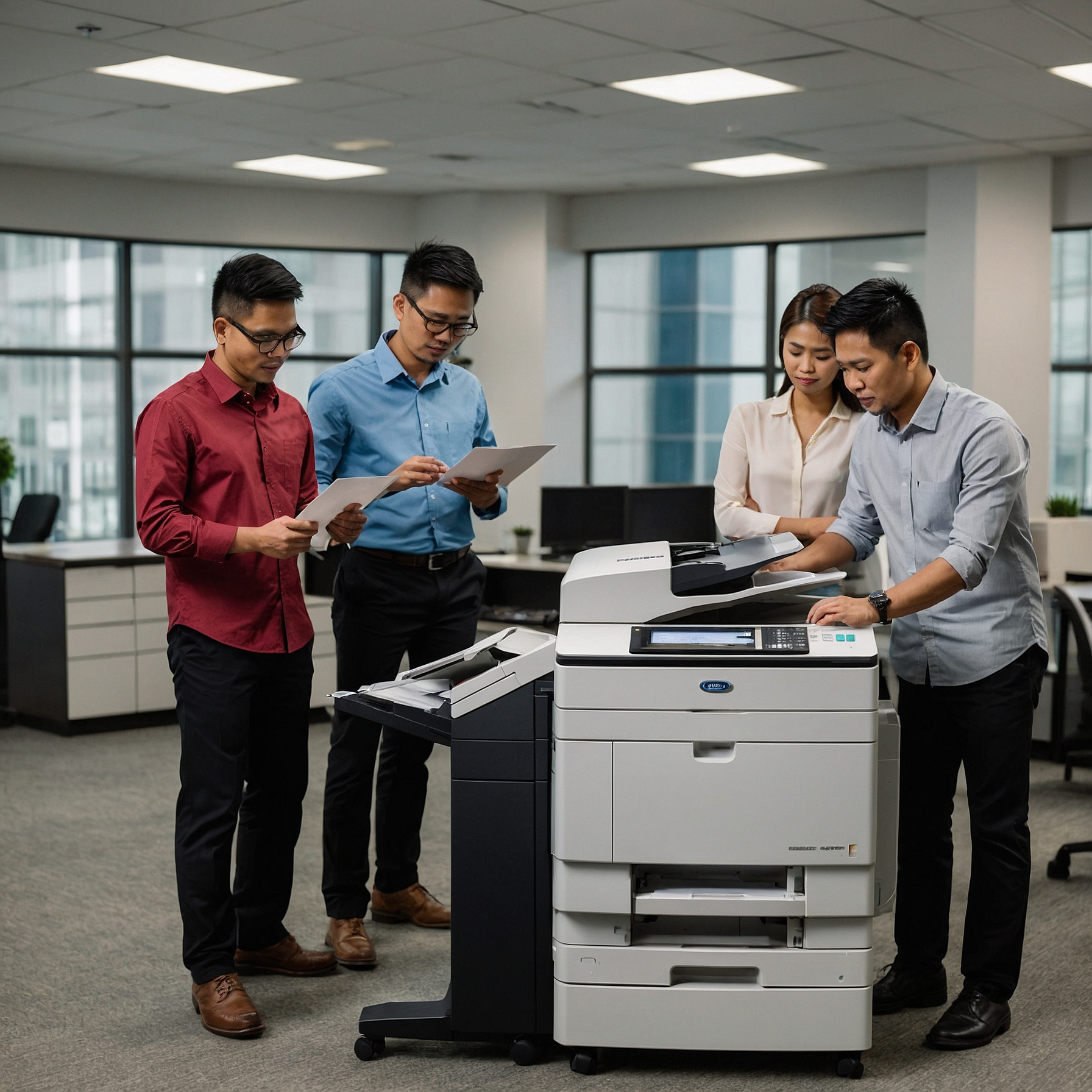
Customizing Copier Rentals for Needs: A Practical Guide for Businesses
When it comes to managing office operations, one size rarely fits all—especially when it involves equipment like copiers. Whether you’re preparing for a short-term event, scaling up for seasonal demands, or simply trying to avoid the high upfront costs of purchasing, customizing copier rentals for needs is a smart, flexible, and cost-efficient solution.
In this blog post, we’ll explore how businesses can benefit from tailoring copier rentals to their specific requirements. We’ll also provide insights into the features to look for, how to work with a rental provider, and the additional services that can enhance your rental experience.
Why Customization Matters in Copier Rentals
Every business is unique. Some print hundreds of pages daily, others only a few. Some need color printing with finishing options, others just require basic black-and-white copies. A customized copier rental ensures you only pay for what you actually need—no more, no less.
Customizing your rental allows for:
Better cost control
Optimized performance
Scalability for temporary or permanent needs
Improved workflow and productivity
According to this article on copier rental and workflow impact, choosing the right equipment tailored to your operation improves work output and reduces equipment downtime.
Key Factors to Consider When Customizing Copier Rentals
1. Volume Requirements
Start with estimating your average monthly print volume. A small office may only require 1,000 to 2,000 prints per month, while a school or legal office may need tens of thousands. Rental companies offer machines designed for low-, mid-, and high-volume usage.
Tip: Match the copier’s rated volume with your monthly needs to avoid overpaying or overloading the machine.
2. Color vs. Monochrome
Do you need color printing for marketing materials, presentations, or reports? Or is black-and-white printing sufficient for internal documents? Color copiers are generally more expensive, so knowing your needs helps balance quality and cost.
3. Paper Size and Finishing Options
Not all businesses work with just A4 or letter-size paper. If you handle blueprints, catalogs, or booklets, ask for copiers that support A3 or larger sizes. Finishing options like stapling, folding, or booklet-making are also available on certain models.
4. Duration of Rental
How long do you need the copier? Customization isn’t just about features—it also applies to rental terms.
Short-term rentals are perfect for events, conferences, or temporary offices.
Long-term rentals are ideal for ongoing operations where buying may not be practical.
During high-demand periods, many companies rely on short-term rentals. This is discussed in the seasonal demand guide for copier rentals, which explains how businesses can plan ahead.
5. Security Features
If your documents include confidential or sensitive information (e.g., legal, financial, or medical data), security should be a top priority. Choose copiers with features like:
PIN or ID authentication
Encrypted printing
Secure hard drive wiping
You can learn more about these from this article on enhancing security with rented copiers.
6. Connectivity and Integration
Modern copiers do more than just copy—they connect to cloud platforms, scan directly to email, and even support mobile printing. When customizing, ensure the device integrates with your existing tech setup.
Ask your provider about:
Wi-Fi and network printing capabilities
Compatibility with Google Drive, Dropbox, and Microsoft 365
Mobile printing support (AirPrint, Mopria, etc.)
7. Insurance and Support Options
Some copier rental companies offer insurance plans that cover damage or theft. These can be helpful, especially for event-based or outdoor setups. See what’s available in your package, or check this guide on copier rental insurance options.
Also, verify the level of support provided:
Is there on-site servicing?
How fast is the response time?
Are parts and toners included?
8. Cost Comparison: Renting vs. Leasing
For some businesses, leasing a copier may seem like a better deal—until they factor in long-term maintenance, upgrades, and flexibility. Rentals generally offer more agility with lower upfront commitments.
Refer to this detailed cost comparison of renting vs. leasing copiers to understand which option fits your business model.
Working with a Rental Provider: What to Expect
Initial Consultation
A good provider will ask questions about your business size, print volume, type of documents, and budget. Be honest and clear about your expectations.
Proposal and Quotation
You’ll receive a recommendation with machine specs, pricing, inclusions (toner, maintenance, delivery), and terms. Make sure the quote reflects your specific needs—not a generic package.
Delivery, Setup, and Training
Most providers will handle delivery, installation, and staff orientation. Ask for a walkthrough on basic troubleshooting, paper reloading, and scanning.
Customization in Action: Real-World Scenarios
A law firm rents a high-speed monochrome copier with dual trays and legal-size scanning for client contracts.
A school chooses a color copier with booklet finisher for exam papers, newsletters, and class materials—only during the academic year.
An events company opts for a networked copier with secure print release and insurance coverage for onsite document printing during expos.
Final Thoughts: Choose What Fits—Not Just What’s Available
Customizing copier rentals for needs isn’t just about choosing features—it’s about optimizing your workflow, minimizing waste, and ensuring you're equipped to meet your goals. Whether you’re running a small office, planning an event, or preparing for peak season, tailored copier rentals are an efficient, budget-friendly solution.
Take time to assess your requirements, consult with a reliable provider, and explore customization options that align with your day-to-day operations.
Want to learn more? Visit Marga Copier Rentals for expert assistance in finding the right copier for your needs.