
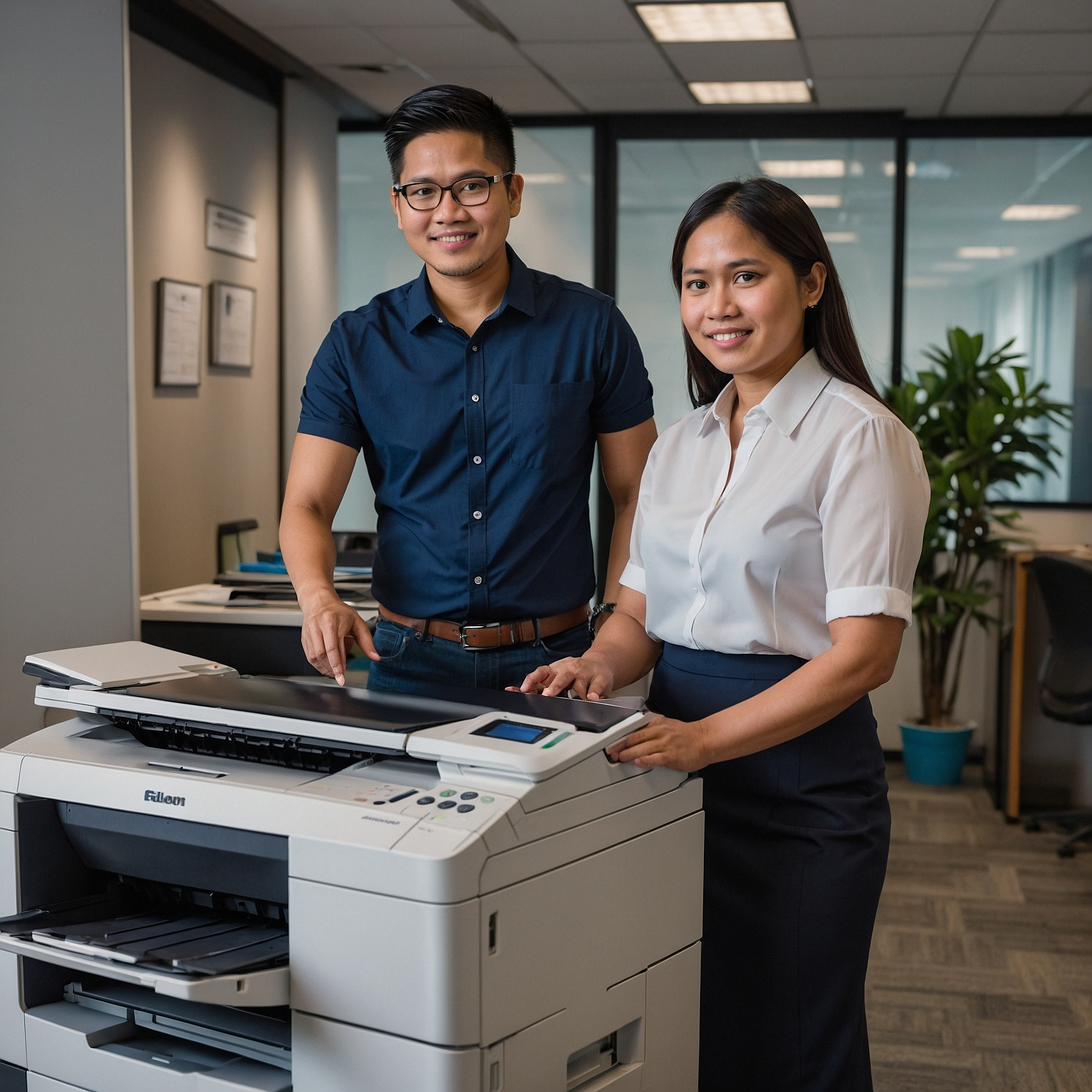
Copier Rental Insurance Options: What You Need to Know Before You Rent
When renting a copier for your business, event, or short-term project, one important yet often overlooked consideration is insurance coverage. While the focus is usually on cost, features, and functionality, understanding copier rental insurance options can protect your business from unexpected costs due to damage, theft, or equipment malfunction.
In this post, we'll explain what copier rental insurance covers, why it's essential, the available options, and how to choose the best one for your situation. We’ll also explore how copier insurance fits into the broader picture of copier rental best practices.
Why Copier Rental Insurance Matters
Renting a copier may seem straightforward, but like any high-value equipment, it comes with risks. These risks include:
Accidental damage during transportation or use
Theft from your office or event venue
Power surges or electrical faults
Malfunctions that aren’t covered by the rental provider
Without proper insurance, you could be liable for repair or replacement costs, which can be expensive—especially for high-performance or multifunction copiers. This is why understanding copier rental insurance options is not just a smart move but often a requirement in rental agreements.
Types of Copier Rental Insurance Options
Depending on your copier rental provider and the nature of your rental, you typically have three main insurance coverage paths:
1. Third-Party Insurance (Your Own Policy)
You may use an existing business insurance policy to cover rented equipment. Many general liability or commercial property insurance policies can be extended with an endorsement to include rented office equipment.
Advantages:
Often lower in cost if added to an existing plan
Full coverage for loss or damage
Recognized by most rental providers
Considerations:
You may need to provide a Certificate of Insurance (COI)
There might be a deductible
Not all general policies cover copier equipment by default
2. Insurance Through the Rental Provider
Many copier rental companies offer optional insurance coverage for an additional fee. This is usually presented as a convenient “add-on” at the time of rental.
Advantages:
Easy to set up—no paperwork from your end
Specifically designed for copier-related risks
Often includes maintenance coverage
Considerations:
May be more expensive than using your own insurer
Coverage terms vary; read the fine print
May exclude user-caused damage (like spills or mishandling)
🔗 Learn more about available protection plans at Copier Rental Insurance Options
3. Security Deposits or Damage Waivers
Some rental contracts require a refundable security deposit or offer a damage waiver that limits your liability up to a certain amount.
Advantages:
No need for an external policy
Usually bundled into the rental contract
Faster processing for short-term use
Considerations:
Not comprehensive—may only cover basic wear and tear
Can be forfeited if equipment is seriously damaged or lost
Might not offer peace of mind for high-risk events or environments
What’s Typically Covered in Copier Rental Insurance?
Coverage depends on the policy, but most copier rental insurance options include:
Accidental damage from normal use
Theft or vandalism, if reasonable precautions were taken
Fire or flood damage, depending on the cause
Power surge damage
Shipping-related incidents
However, intentional damage, negligence, or failure to follow the provider’s usage guidelines are typically excluded. Always read the terms carefully.
Factors to Consider When Choosing Insurance
Here are some key questions to guide your decision:
What’s the copier’s value?
Higher-end models or multifunction copiers are more expensive to replace—opt for broader coverage.Where will it be used?
Outdoor events or unsecured venues pose higher risks than office environments.How long will the copier be rented?
For longer-term rentals, comprehensive insurance becomes more critical.Do you already have applicable insurance?
If so, you might just need to get an endorsement from your provider.What’s your risk tolerance?
If even a minor incident could significantly affect your budget, more coverage is better.
How Copier Insurance Supports Other Rental Goals
Insurance is just one piece of the copier rental puzzle. It works best when combined with best practices in equipment use, security, and sustainability.
For instance:
Use advanced features of rental copiers like built-in diagnostics to reduce accidental misuse.
🔗 Explore Advanced Features in Rental CopiersCombine insurance with security features such as PIN-based printing or data wiping.
🔗 Read more on Enhancing Security with Rented CopiersPair with sustainability practices like power-saving modes and responsible paper use to minimize wear and tear.
🔗 Learn about Sustainability Practices in Copier RentalIf comparing costs, factor insurance into your analysis when choosing between renting or leasing.
🔗 Compare costs here: Cost Comparison: Renting vs Leasing
FAQs About Copier Rental Insurance Options
Is copier insurance required?
Some providers make it mandatory, especially for longer rentals or high-end machines.
How do I know if my business insurance covers rented copiers?
Check with your insurer or agent. Look for a clause covering “rented equipment” or “office electronics.”
Can I waive copier rental insurance?
In some cases, yes—but you’ll likely need to sign a liability waiver or provide your own proof of insurance.
Does insurance cover printing mistakes or software issues?
Generally, no. These are considered usage issues, not insurable damages. However, some rental plans may include tech support.
Final Thoughts
Insurance might not be the most exciting part of renting a copier, but it is one of the most crucial. Choosing the right copier rental insurance options can save you from unexpected costs, delays, or disputes. Whether you go through your own insurer, the rental provider, or a damage waiver, having a plan in place ensures peace of mind and business continuity.
Before finalizing your rental agreement, take the time to evaluate your insurance needs—and don’t hesitate to ask your provider detailed questions. The right choice now can make all the difference later.