
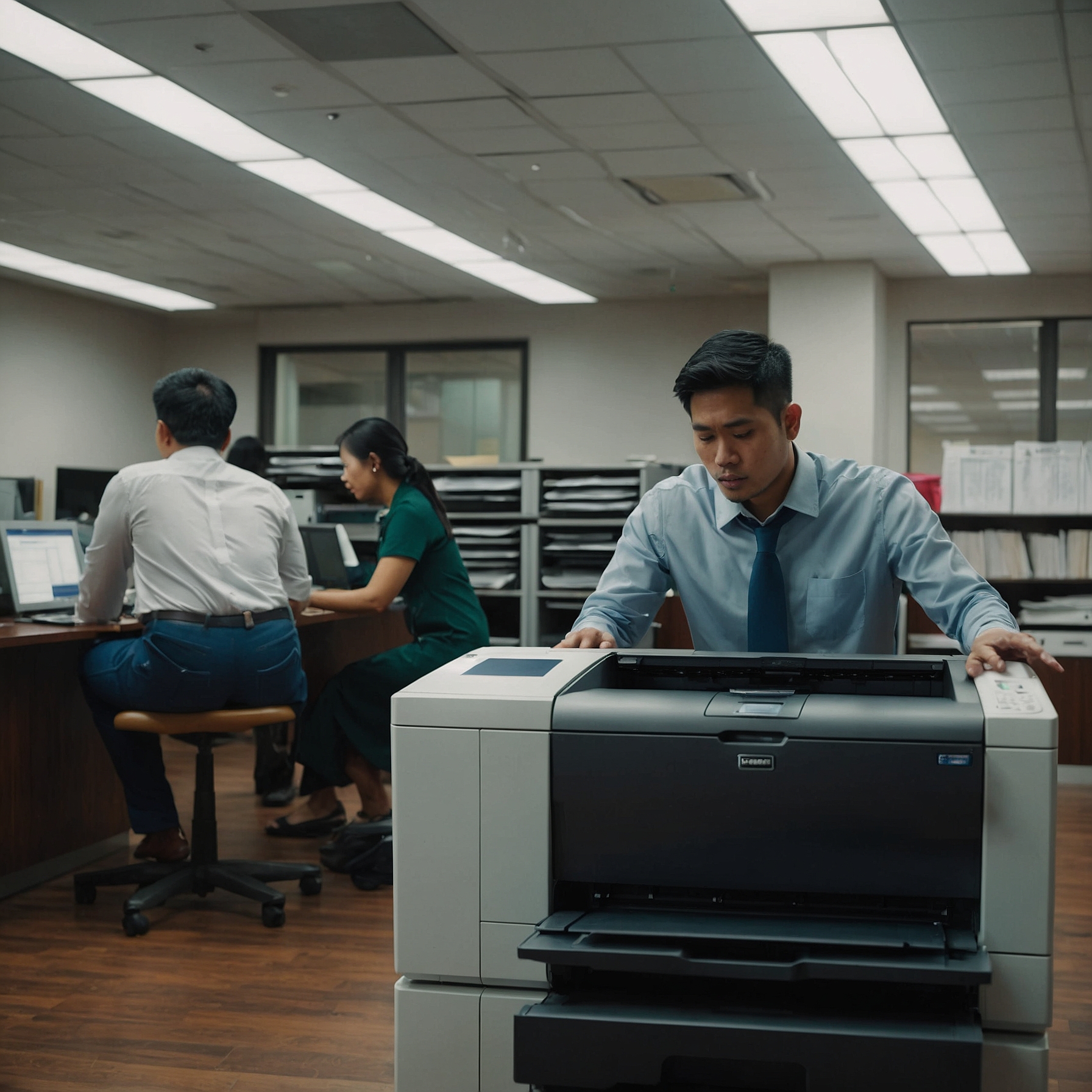
For many small and medium-sized businesses (SMBs), renting a copier is a smarter and more cost-effective solution than purchasing one outright. Copier rentals offer flexibility, access to newer technologies, and predictable monthly costs. But to get the most value out of a rental, it’s essential to understand the details of the agreement you're signing.
This article provides a complete overview of copier rental agreements for SMBs, including what’s typically included, what to watch out for, and how to choose the right rental partner.
👉 New to the concept? Start with the Overview of Copier Rental for SMBs
What Is a Copier Rental Agreement?
A copier rental agreement is a formal contract between an SMB and a copier provider. It outlines the terms of use, duration, included services, pricing, responsibilities, and options for renewal or return.
These agreements can range from short-term (3–6 months) to long-term (1–5 years), depending on the needs of the business.
Why SMBs Choose Copier Rentals
Unlike large enterprises, SMBs need flexible solutions that match their evolving needs and limited budgets. Copier rental agreements make sense because they:
Eliminate large upfront purchases
Provide access to newer, more efficient technology
Include service and maintenance in most cases
Allow upgrades as business needs change
Help manage cash flow with predictable costs
👉 See how copier rentals support flexible work in Copier Rental for Remote and Hybrid SMBs
Key Elements of Copier Rental Agreements for SMBs
Understanding the components of the rental contract helps you avoid hidden fees and ensures the copier meets your actual needs.
1. Rental Period and Terms
Clearly define how long the copier will be rented. Common durations:
Short-term: Ideal for temporary setups or seasonal operations
Long-term: Better rates, suited for stable offices with consistent needs
Make sure the agreement outlines options for early termination, renewals, or buyouts.
2. Pricing and Payment Structure
Your agreement should specify:
Monthly rental fee
Any setup or delivery charges
Overage charges (for exceeding a print limit)
Optional add-ons (like scanning to cloud, color printing, etc.)
Request a cost-per-page breakdown to compare with other providers.
3. Maintenance and Support Services
Reliable service is critical. Ensure your agreement includes:
Preventive maintenance visits
On-site repairs and parts replacement
Remote diagnostics and technical support
Response time commitments
👉 Understand your options in Copier Service and Support for SMBs
4. Supply Management
Check if the contract includes:
Toner replacement
Paper supply (optional but convenient)
Automatic delivery or alerts for low supplies
Some agreements offer auto-supply fulfillment, reducing downtime and manual inventory management.
5. Usage Limits and Overages
Many copier rental agreements include a monthly page volume limit. Going over this can result in additional charges.
Ask:
What is the included page count?
What’s the cost per additional page?
Are black-and-white and color pages charged differently?
6. Equipment Upgrades and Replacements
Technology evolves fast. Make sure your rental plan allows for:
Upgrading to a newer model
Downgrading if usage drops
Replacing the machine if it malfunctions repeatedly
This ensures your copier continues to meet your business demands.
👉 Want smarter tech? Learn more about Innovations in Copier Technology for SMBs
Common Pitfalls to Avoid
Auto-renewal clauses: Always know when your contract ends
Lack of flexibility: Some agreements lock you in without upgrade options
Hidden fees: Clarify who pays for delivery, setup, and removal
Insufficient service coverage: Verify how fast support will respond to issues
Questions to Ask Before Signing
Before finalizing a copier rental agreement, ask your vendor:
What’s included in the monthly fee?
Is there a trial period or early exit clause?
How quickly can you deliver and install the machine?
What happens if the copier breaks down often?
Can I change plans if my needs evolve?
The clearer the answers, the better the partnership.
Tips for SMBs Negotiating Copier Rental Agreements
Bundle services – Negotiate packages that include service, toner, and support
Review performance reports – Ask for a report every 6 months to evaluate performance
Read the fine print – Don’t skip sections on liability, damage, and termination
Benchmark competitors – Get 2–3 quotes for comparison
Seek flexible terms – Favor agreements that let you scale or adapt over time
Sample Agreement Summary Table
| Key Element | What to Look For |
|---|---|
| Contract length | 12–36 months (renewable or flexible options) |
| Monthly volume | 1,000–10,000 pages/month, depending on needs |
| Included services | Maintenance, repairs, toner delivery |
| Upgrade eligibility | Every 12–24 months or with usage review |
| Overages | Transparent rate for color and B/W pages |
Final Thoughts
Having a copier in your office shouldn't be a burden—it should be a support tool that boosts your daily operations. That’s why copier rental agreements for SMBs are a practical and flexible solution for today’s businesses.
By understanding what's included, asking the right questions, and comparing vendors carefully, you can secure a copier rental agreement that fits your needs and budget—without surprises.
👉 Ready to dive deeper? Read the full guide on Copier Rental Agreements for SMBs